
In-house production
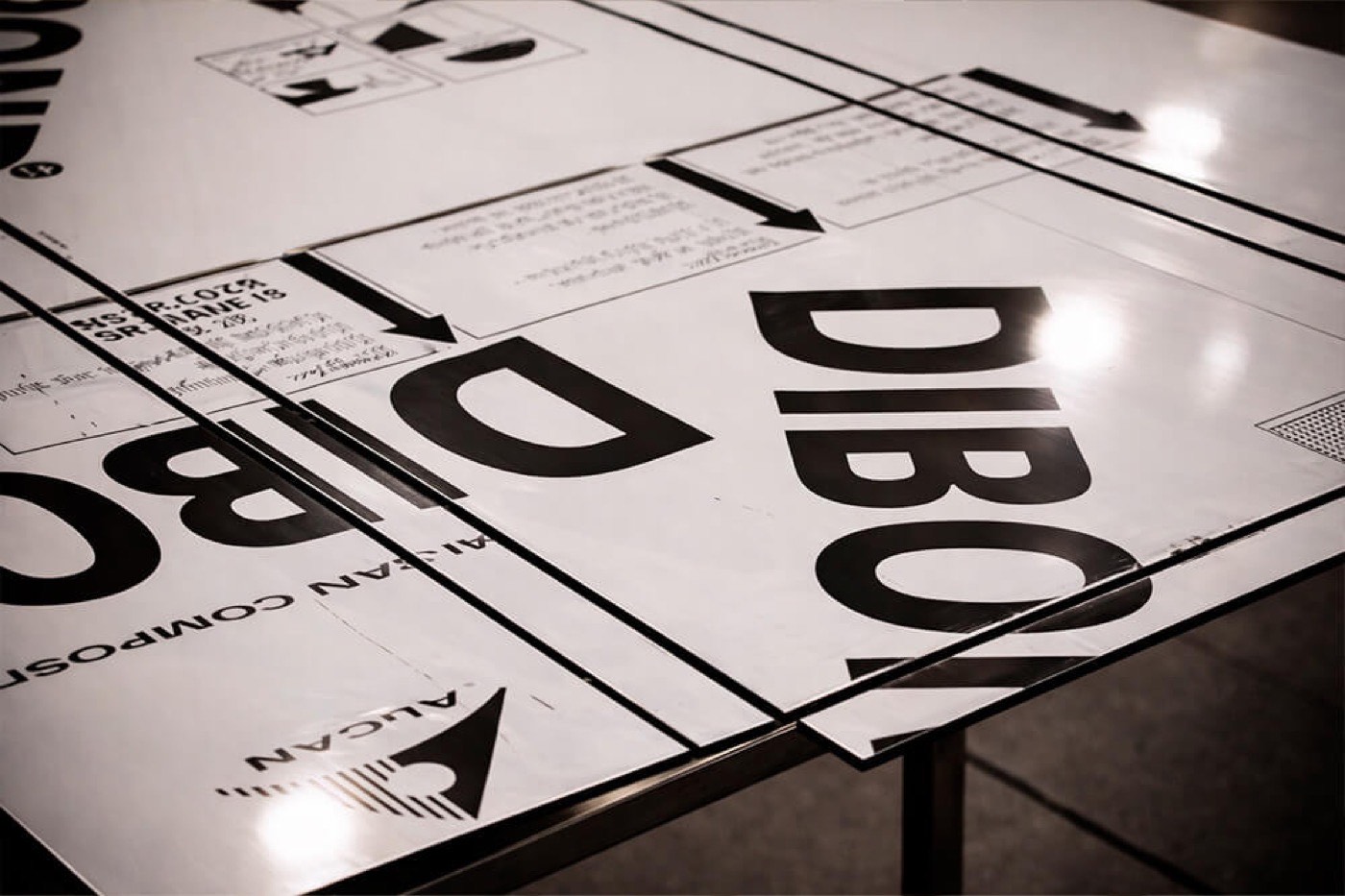
CNC Router Cutting
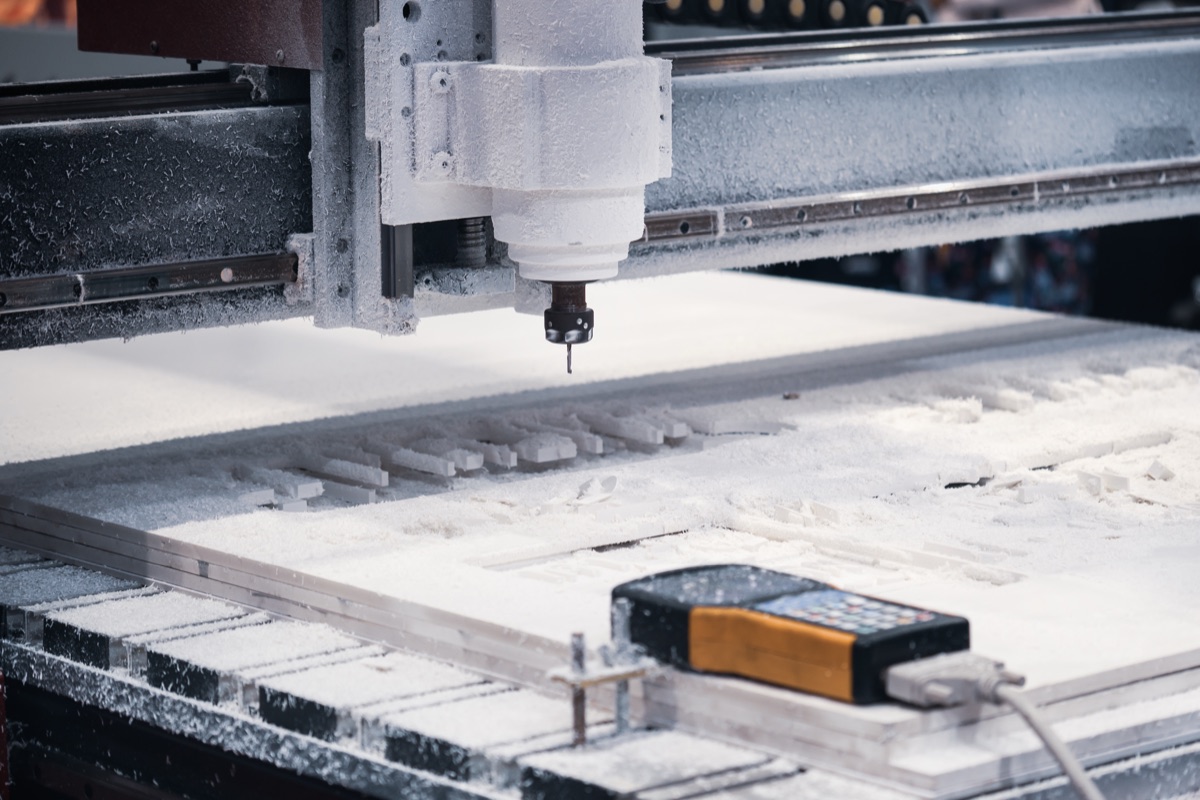
Full-sheet routing for the materials lasers don't suit — ACM, aluminium composite, HDPE, timber, plywood and rigid plastics cut, V-grooved and engraved on a 3078 × 1563mm working field, ready for fabrication and clean assembly.
Request a quote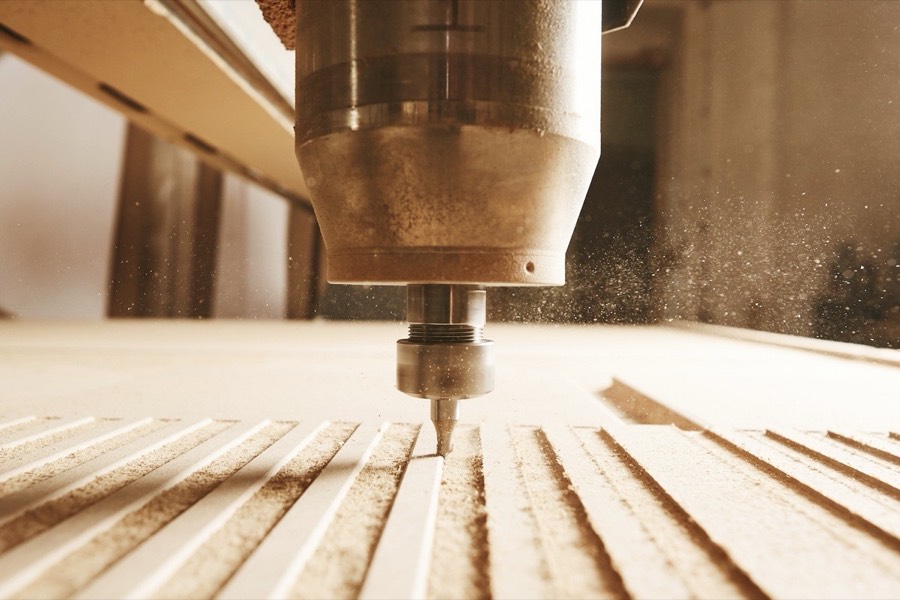
The workhorse behind panel signage and fitout components
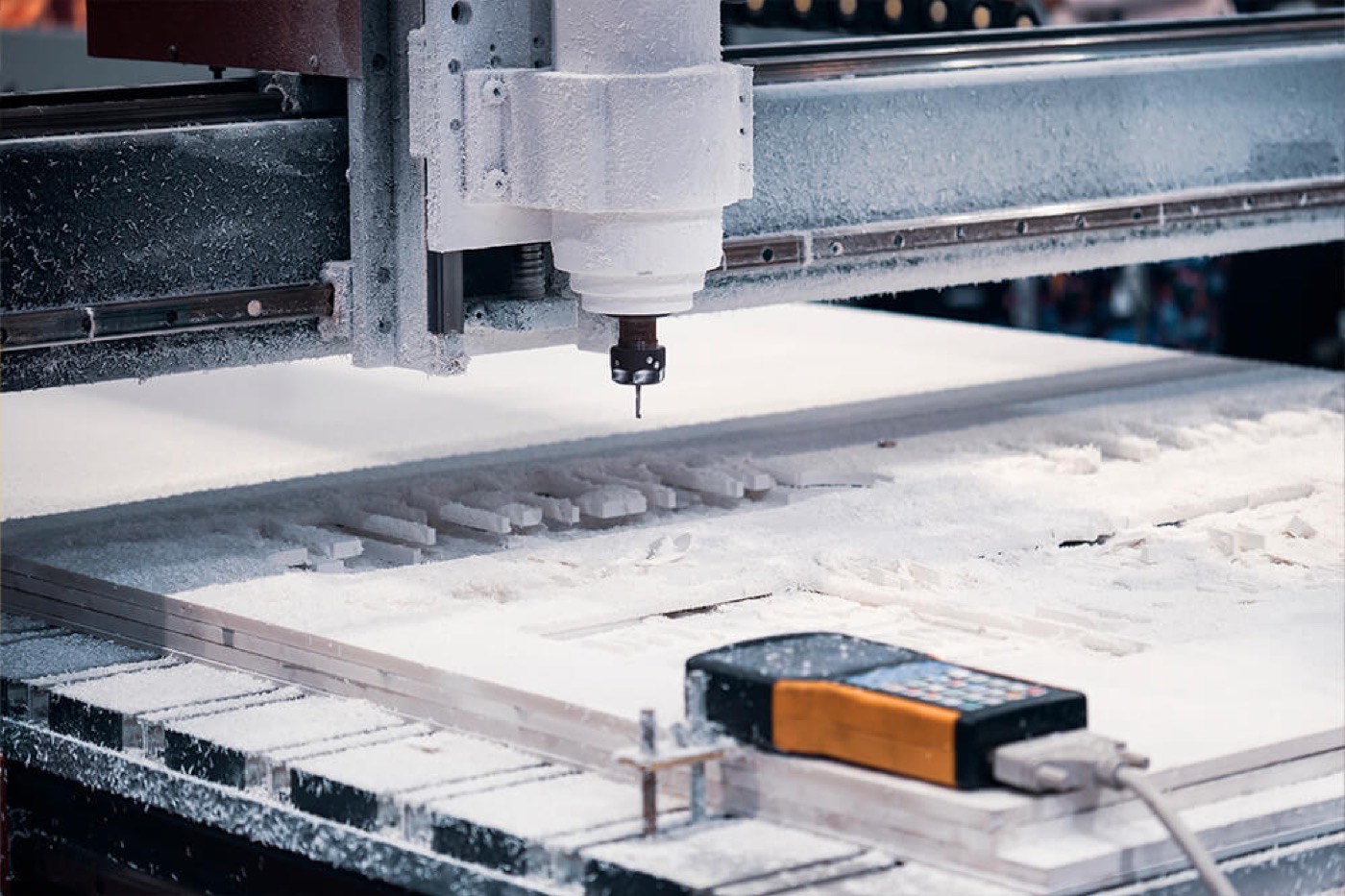
A CNC router machines material with a rotating cutting tool rather than a beam of light, and that single difference decides which jobs belong on it: ACM panels cut and V-grooved for folded pan signs, thick acrylic machined where laser thickness runs out, timber and plywood shaped for joinery and fitouts, and HDPE and rigid PVC processed safely where a laser is the wrong tool altogether.
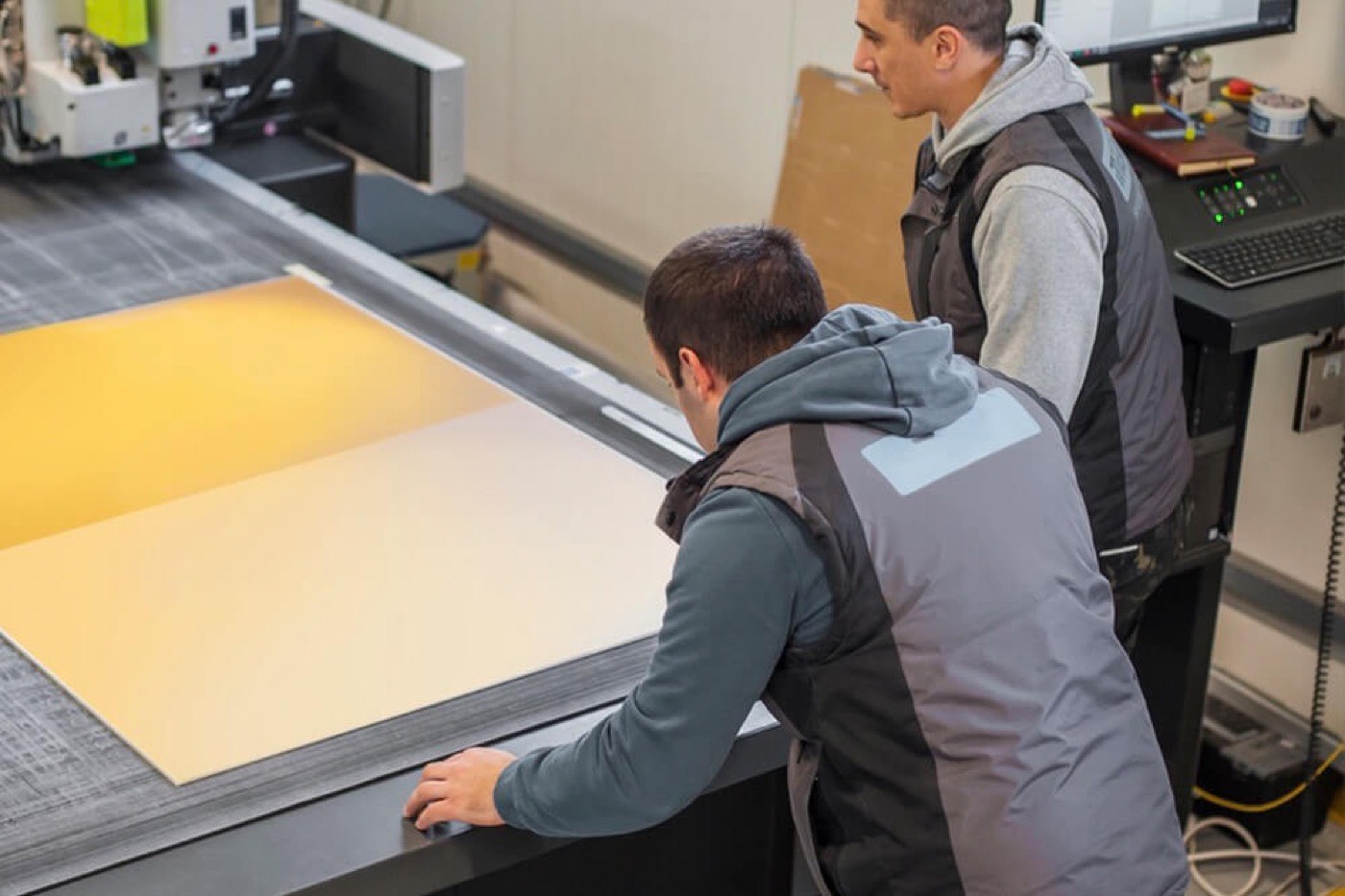
The working field takes a full standard sheet — 3078 × 1563mm with up to 200mm of material clearance — so sign panels, cladding components, cabinet parts and multi-part fitout jobs run without joins where a join would show. Repeat parts are nested across the sheet, which lifts material yield and keeps the per-part cost down on both short runs and full rollouts.
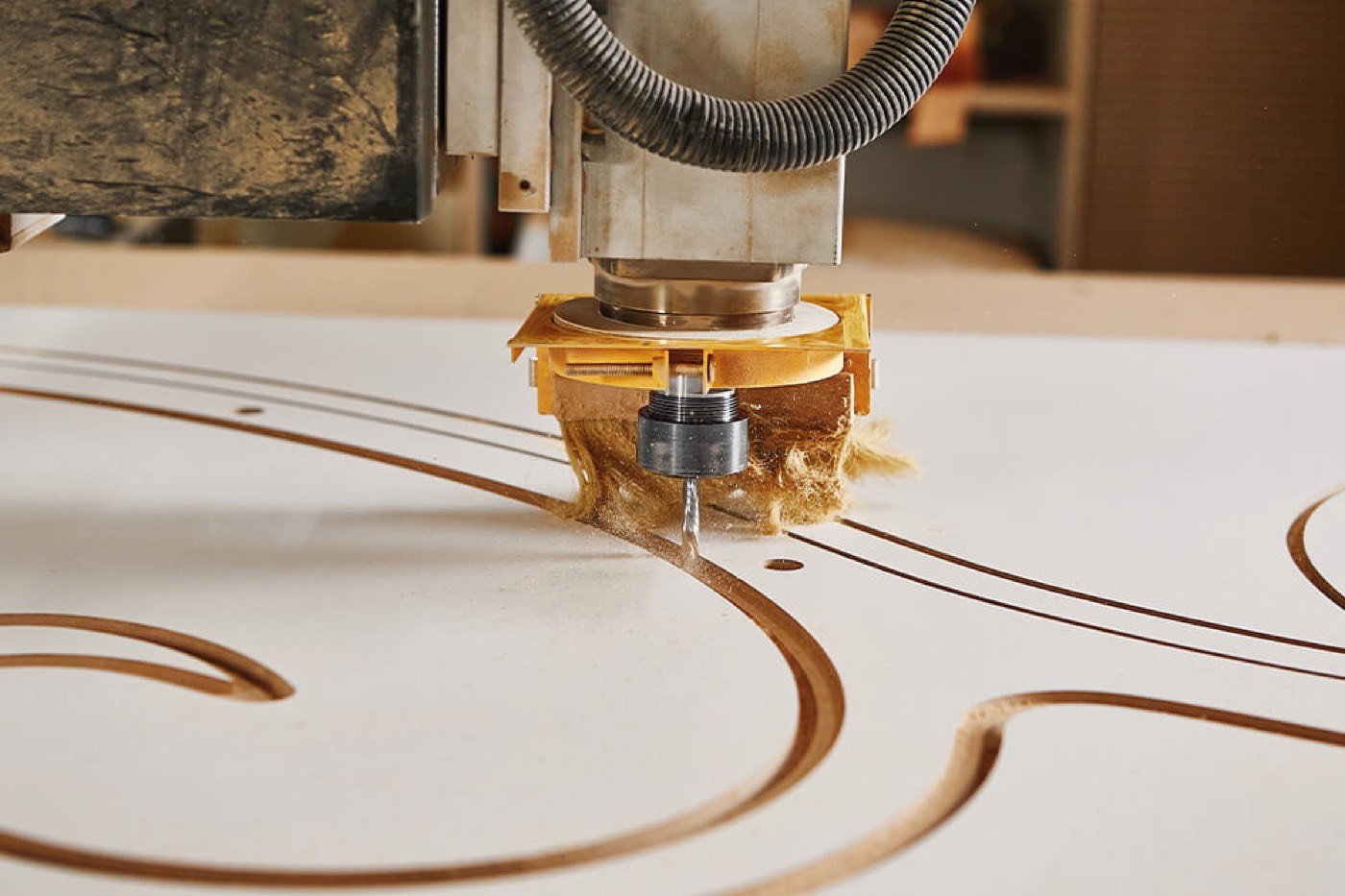
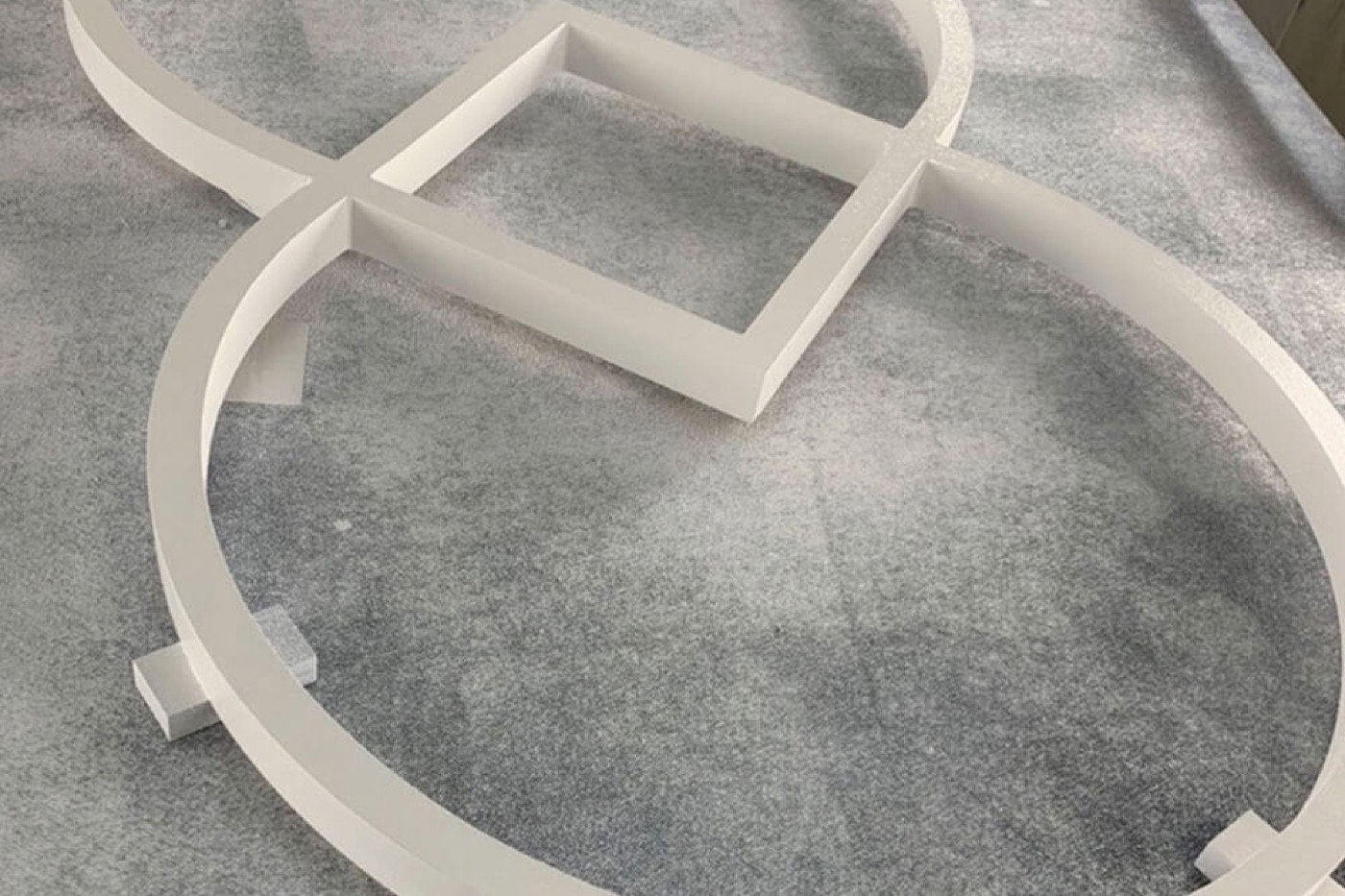
Routing is more than a profile cut. Outer shapes, drilled holes, pockets, rebates, slots, chamfers, engraving and V-grooves all run in the same setup, programmed from your file — work that would otherwise mean hours of hand finishing comes off the bed ready for fabrication.
Signmakers lean on this machine daily, but it earns its keep well beyond signage: joiners and shopfitters order cabinet parts and bulkheads, fabricators send templates and jigs, agencies order display and event pieces, and procurement teams place repeat orders for components cut to a controlled drawing. If your job is a flat sheet part with holes, pockets or fixing details, it is a routing job.
Because the router sits inside a full production workshop, cut parts flow straight downstream: printed on the flatbed, folded and fabricated, or finished in 2-pack before delivery. We can supply common boards, ACM, laminates and plastics, or cut customer-supplied sheets where the material is suitable — confirmed before we quote.
What we rout
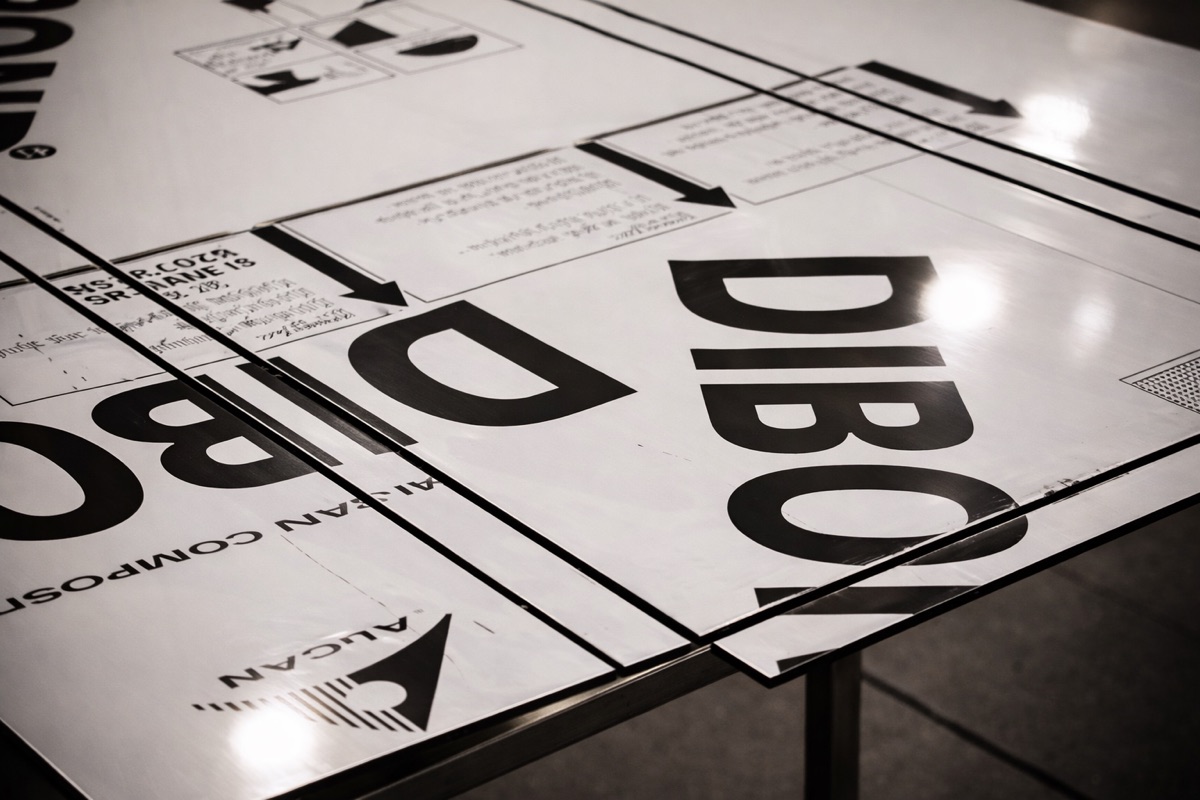 ACM & composite panelsCut and V-grooved for folded pan signs, trays, cladding details and panel systems — grooving and profile cutting in one program.
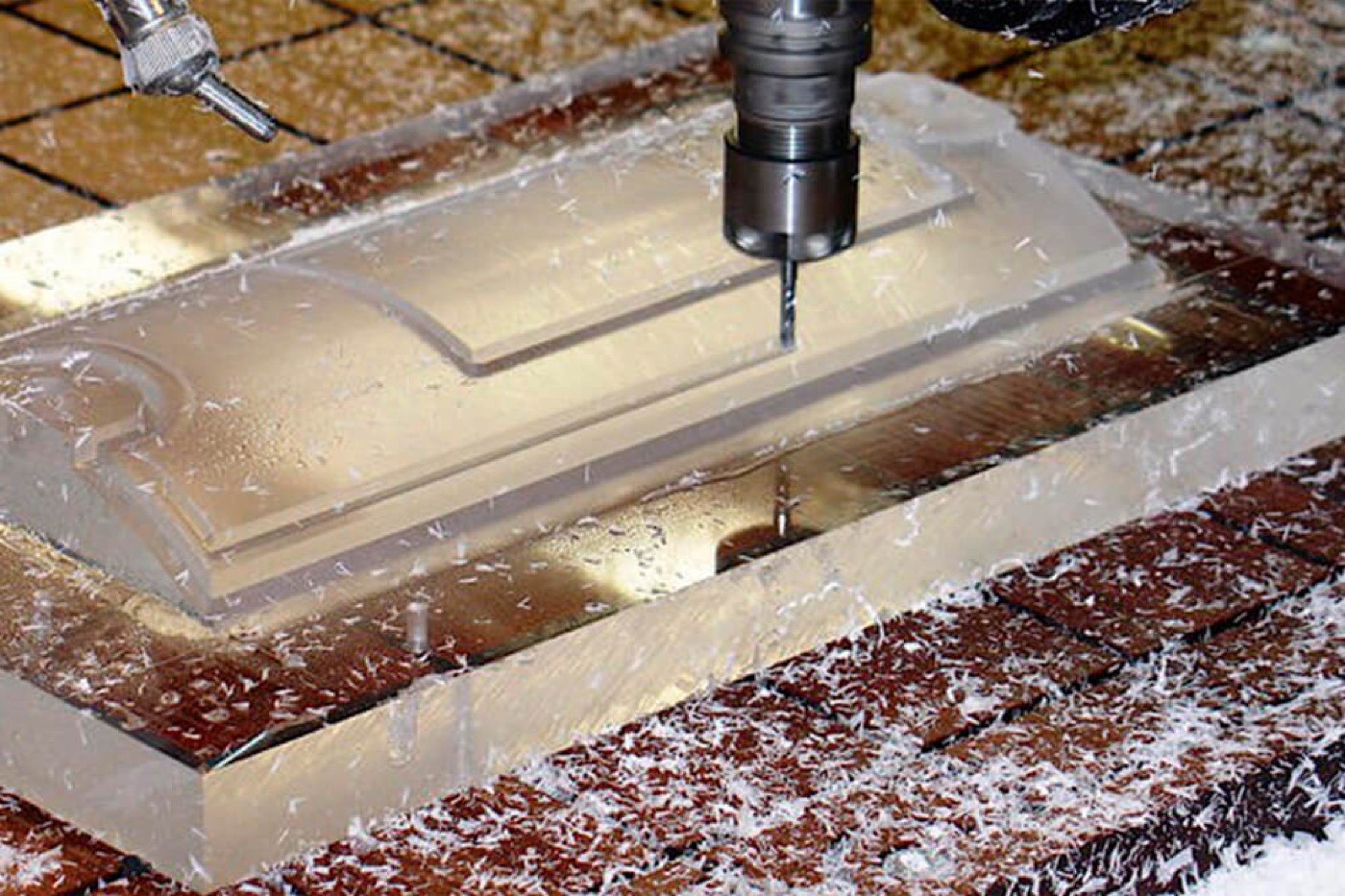
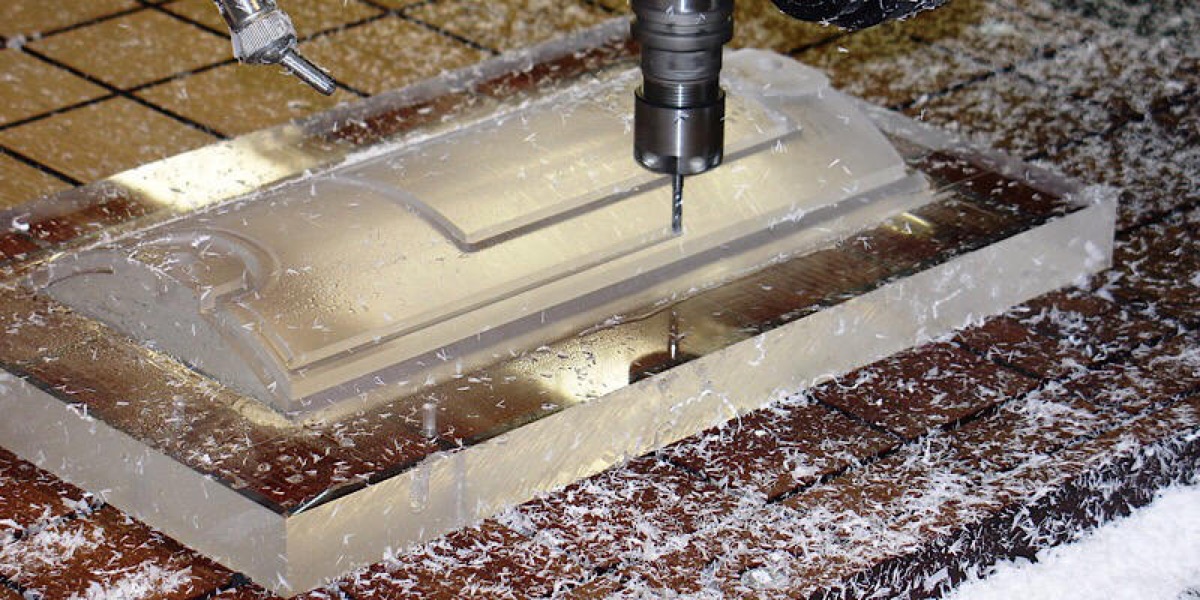 Thick acrylicProfiles, pockets and stepped details machined in sections beyond laser thickness, ready for polishing or paint.
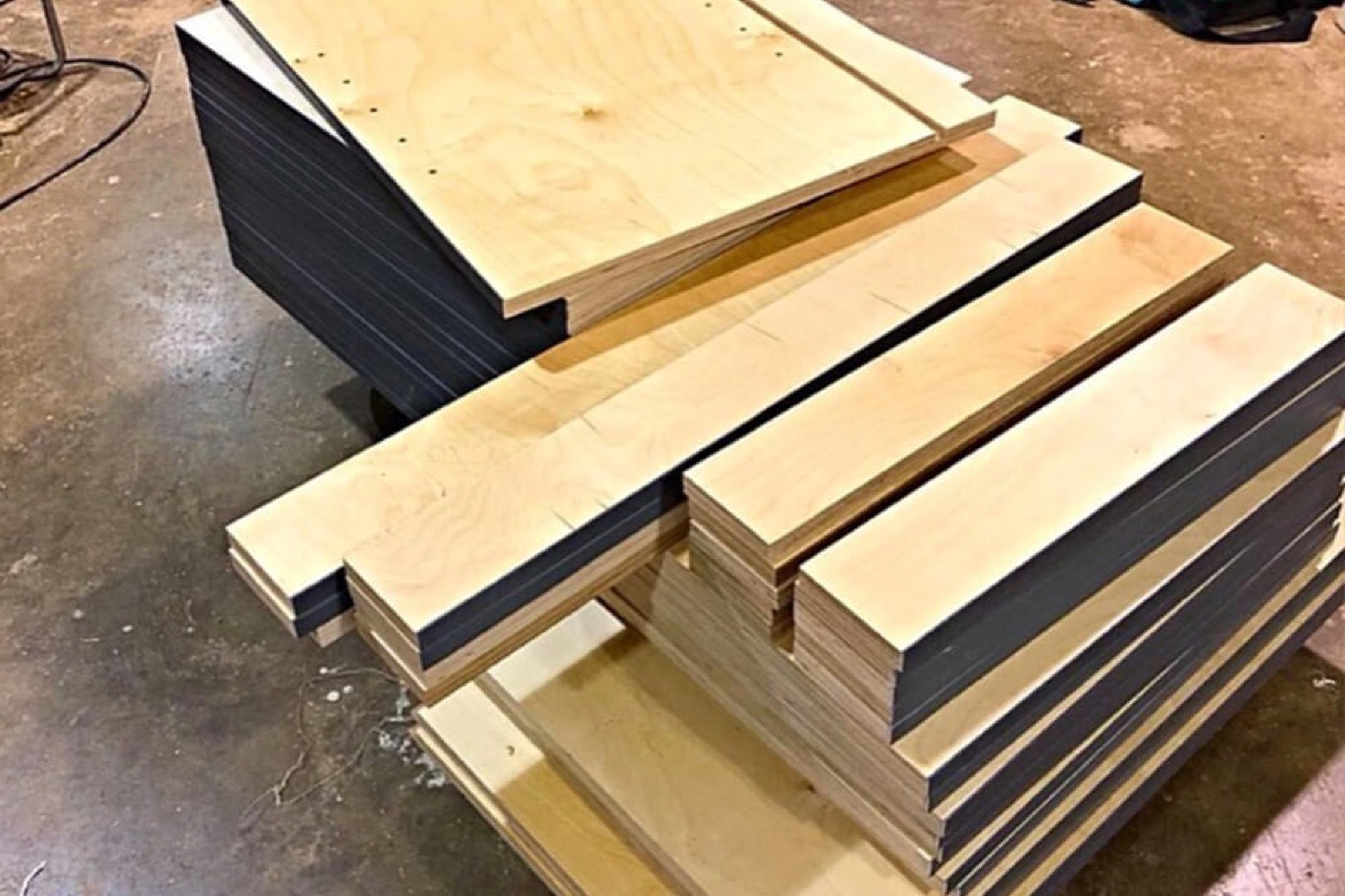
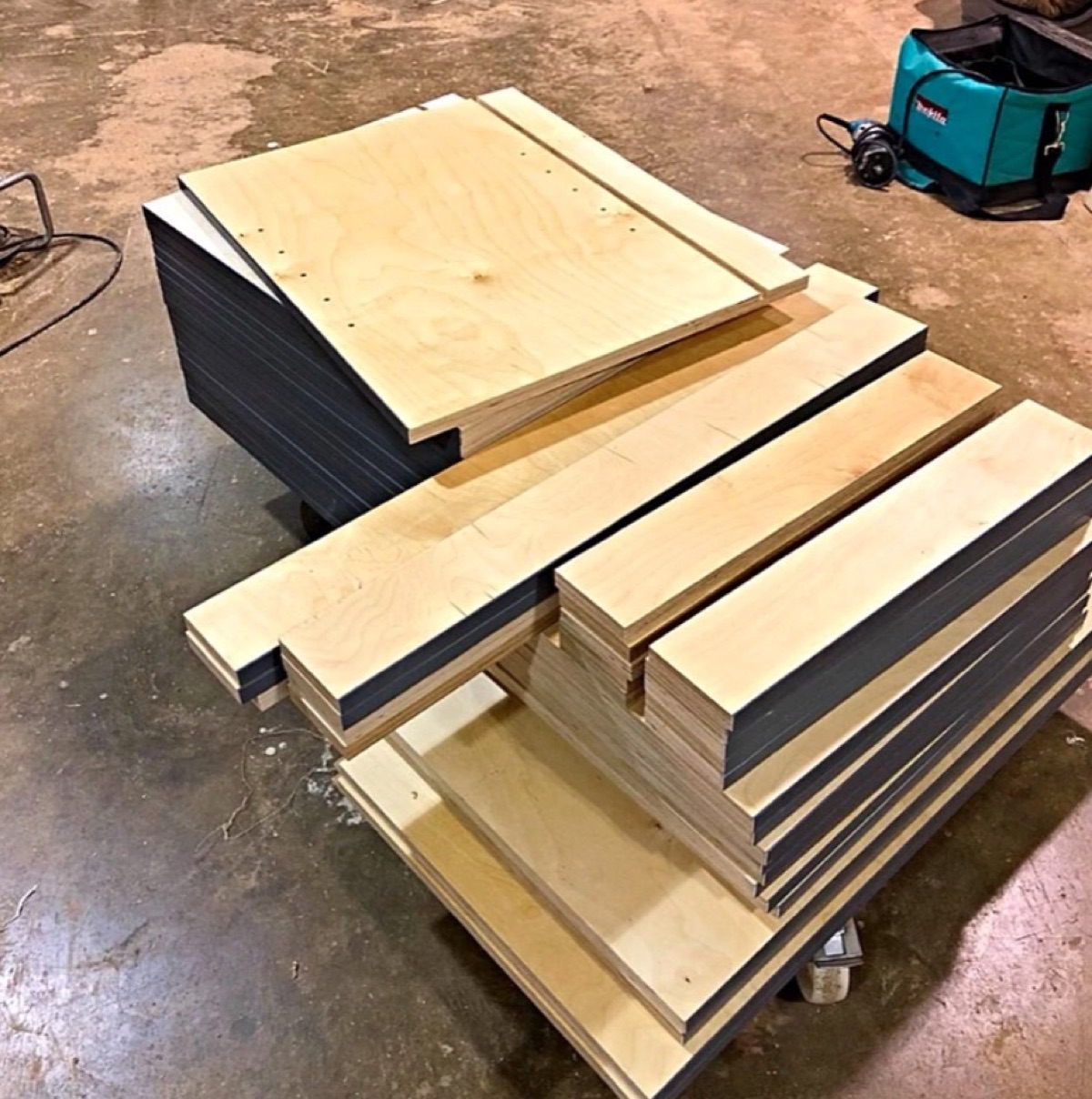 Timber, ply & MDFCabinet parts, patterns, screens, battens and shaped signage — cut, drilled and rebated for assembly.
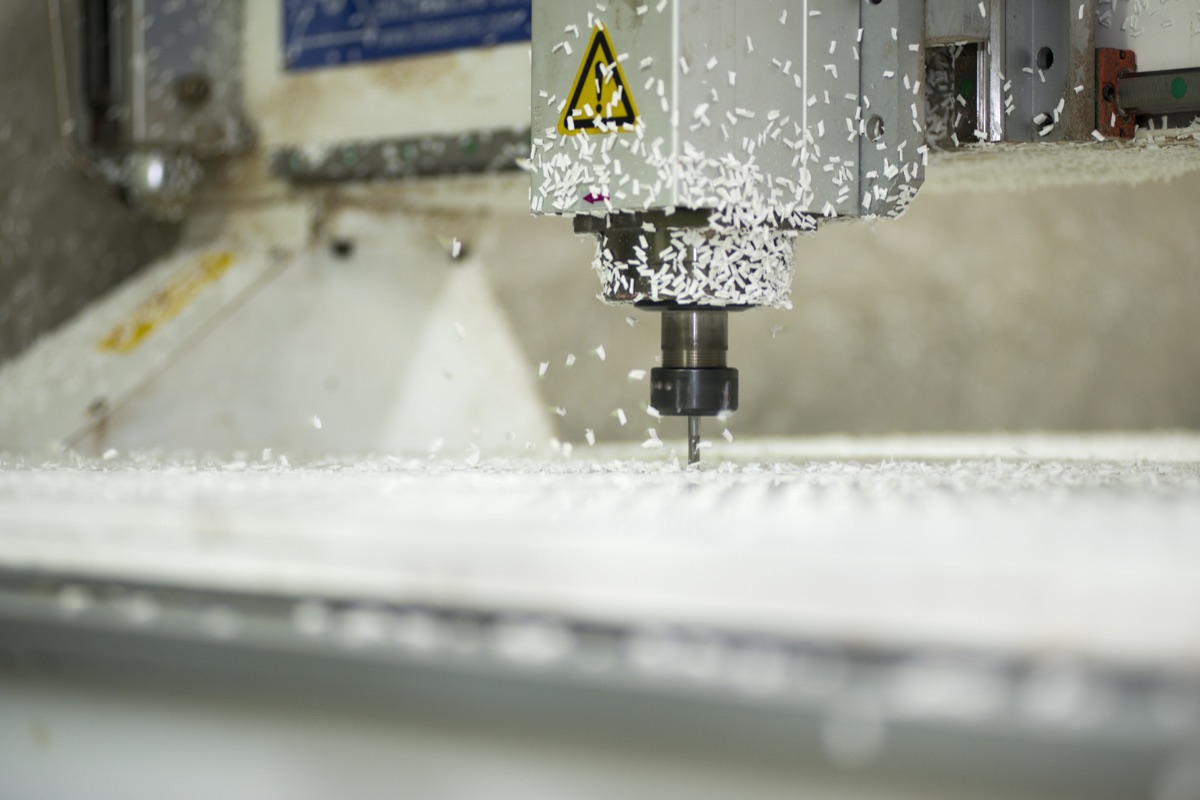 HDPE & rigid plasticsMachined cold with clean edges — the correct process for plastics that must never see a laser.
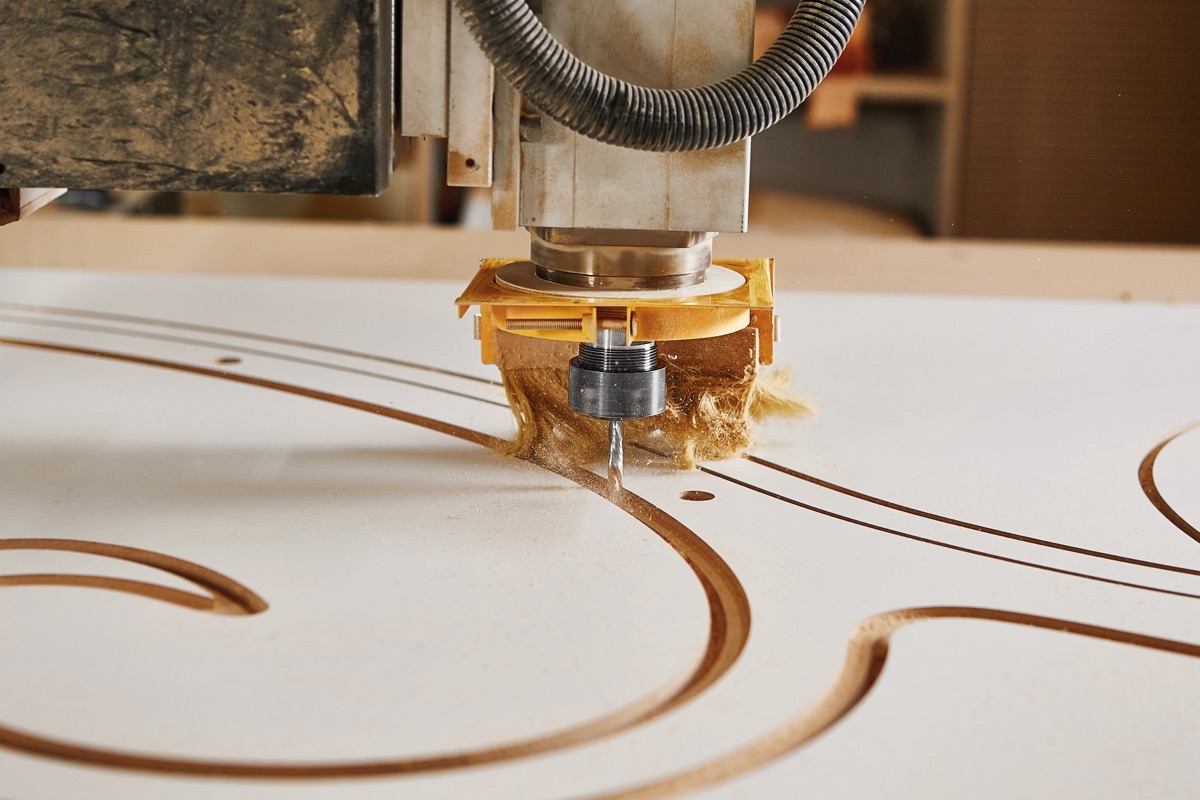 Engraving & V-groovingSurface detail, fold lines and engraved graphics added in the same setup as the cut.
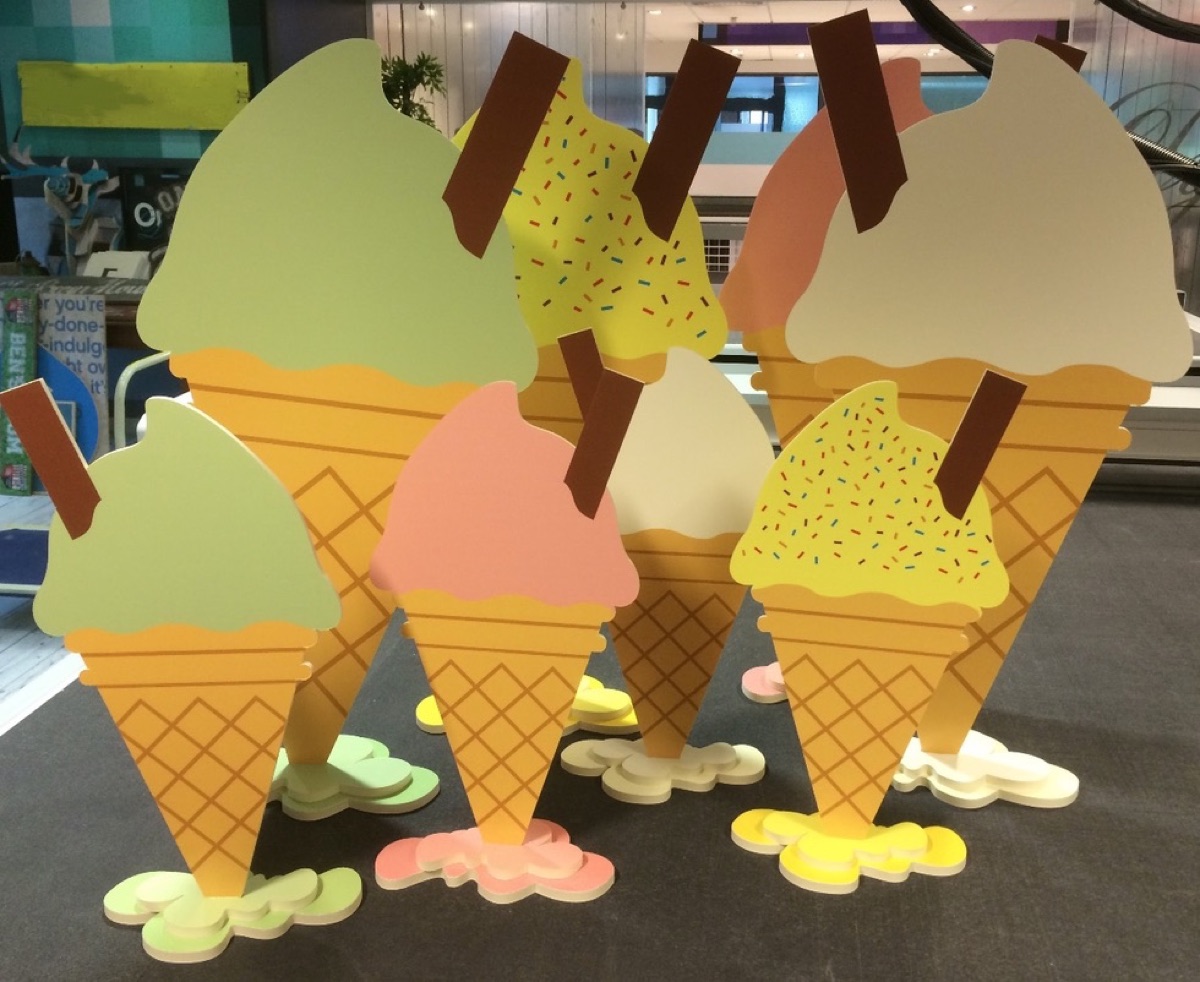
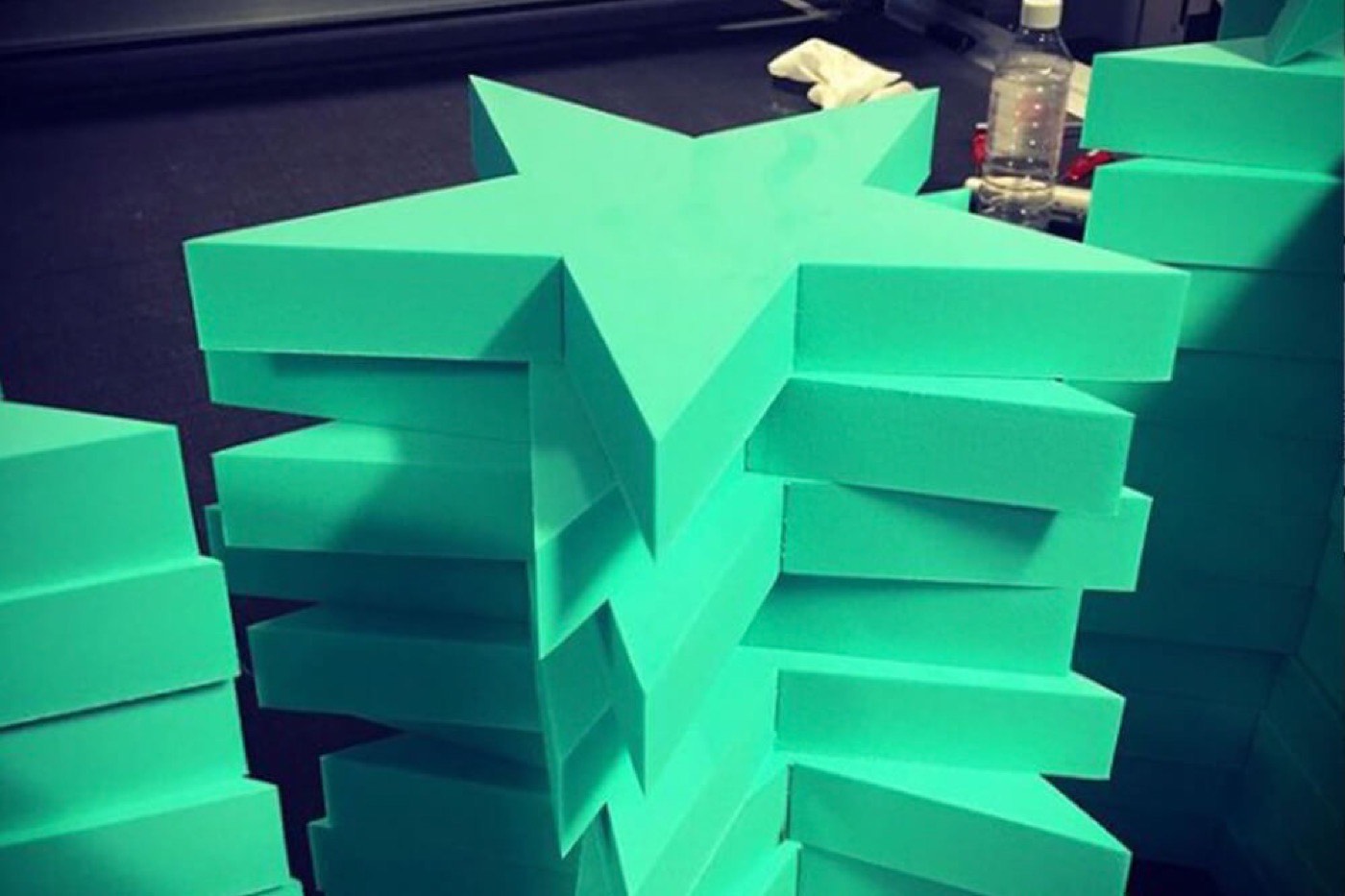
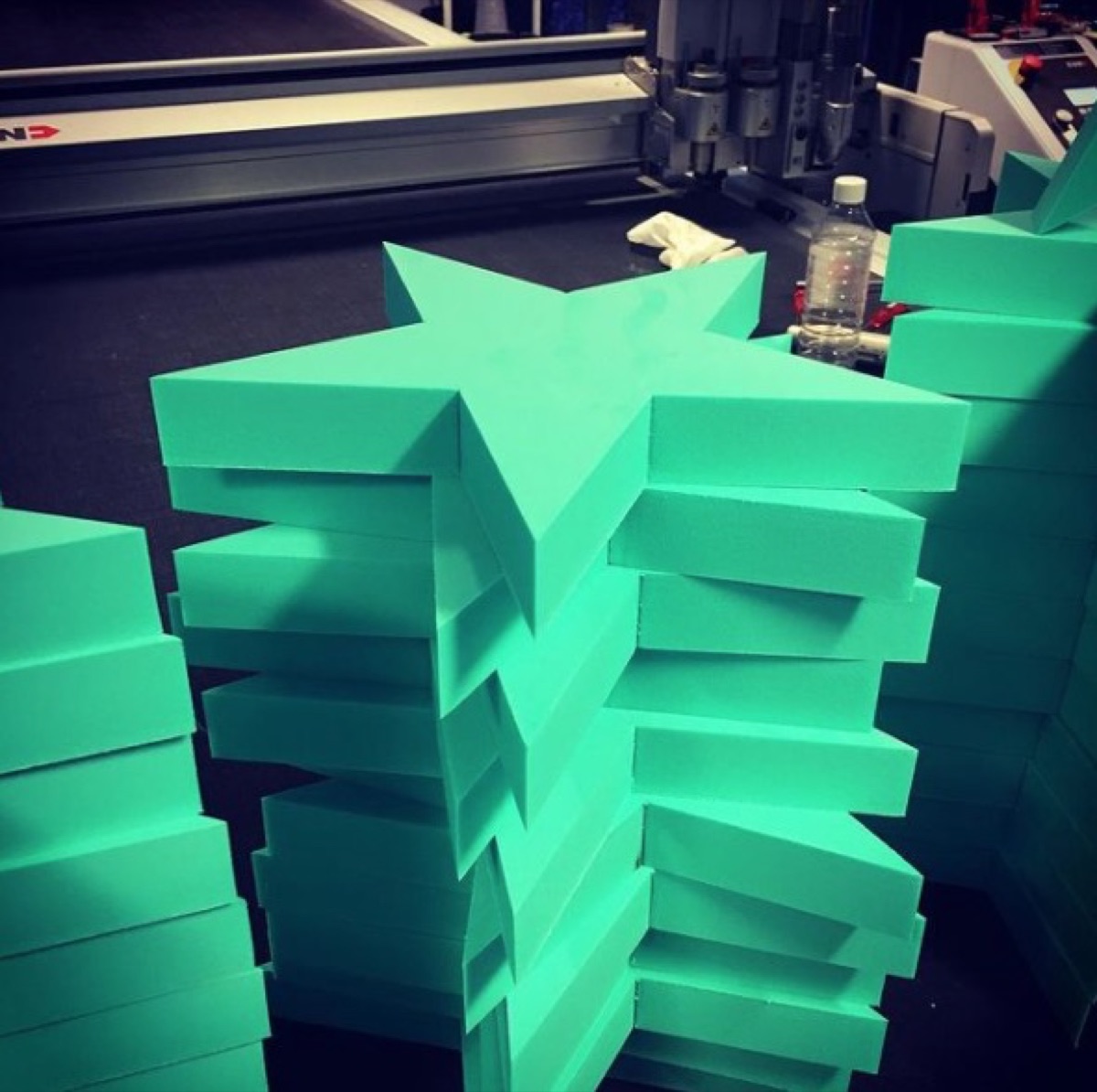 Foam & display propsLightweight shapes and props machined in batches for events, retail and brand activations.
Materials and thickness guidance
Timber and board products are the router's home ground: plywood including marine grades, MDF and moisture-resistant MDF, particleboard and melamine-faced panels all machine cleanly, along with solid timber panels on a project-dependent basis. Edges come off the tool ready for assembly on most board work, and dust extraction runs on every job.
Composites and cladding materials are the other half of the workload. ACM is cut and V-grooved for folding, compact laminate and solid surface are machined for counters and wet areas, and selected fibre-cement sheets can be processed with the right tooling. In plastics, we rout acrylic and polycarbonate in thick or non-laser-safe grades, HDPE and engineering plastics, foam PVC and lightweight foam boards. Selected non-ferrous metals are possible on a project-dependent basis.
Workable thickness is material dependent — a dense laminate and a lightweight foam board behave very differently under the same tool — so we do not publish a single figure that pretends otherwise. Send the material spec with your enquiry and we confirm suitability, tooling and finish before quoting; unfamiliar or abrasive sheets are confirmed by sample testing first.
From file to finished part: how a routing job runs
Every job starts with the file. Vector formats — DXF, DWG, AI or clean vector PDF — drawn in millimetres at 1:1 scale are ideal. Close all shapes, remove duplicate linework, and separate through-cuts, pockets, drilling and engraving onto their own layers or colours. Where pockets are needed, note the depths on the drawing so the program matches your intent. No CAD file? Clear drawings or sample parts can be redrawn as a quoted drafting step before anything is cut.
One design rule matters more than any other: router tools are round, so an internal corner always carries a small radius. Where a slot or tab genuinely needs a sharp corner, design in a corner relief or allow the radius — we flag this at file check, not at assembly. Call out thin webs, narrow tabs and small features too, so tooling and hold-down are chosen to protect them.
From there the job is nested across the sheet, tooling is matched to the material, and the program runs cut, drill, pocket and groove operations in sequence. Parts are deburred where needed, checked against the drawing, labelled to your part numbers and packed — which keeps site crews assembling instead of sorting.
Pricing follows the work honestly: material, thickness, machine time, number of operations and how efficiently parts nest. Filling a whole sheet with nested repeat parts nearly always delivers the best price per component.
Fitout, joinery and architectural work
Some of the most visible routing work never reads as signage at all. Feature walls, decorative screens, perforated panels and slatted motifs are all full-sheet routing jobs — repeat panels machined to a controlled pattern for shopfitters and builders. Because the pattern is cut from a file, panel twenty matches panel one, which is exactly what architectural work demands.
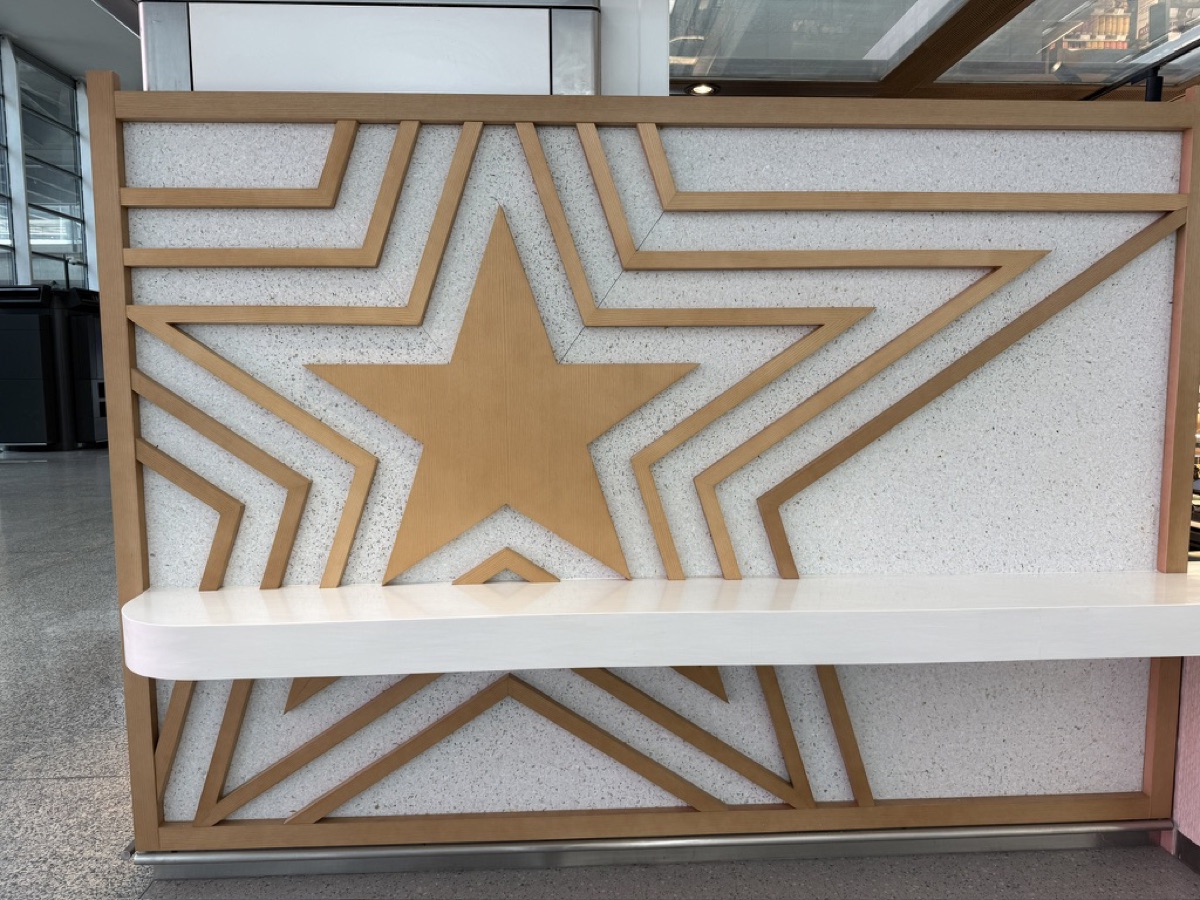 Feature walls & joinery detailsA layered star feature wall in routed timber battens over a stone-look panel — joinery-grade components cut to a repeating pattern.
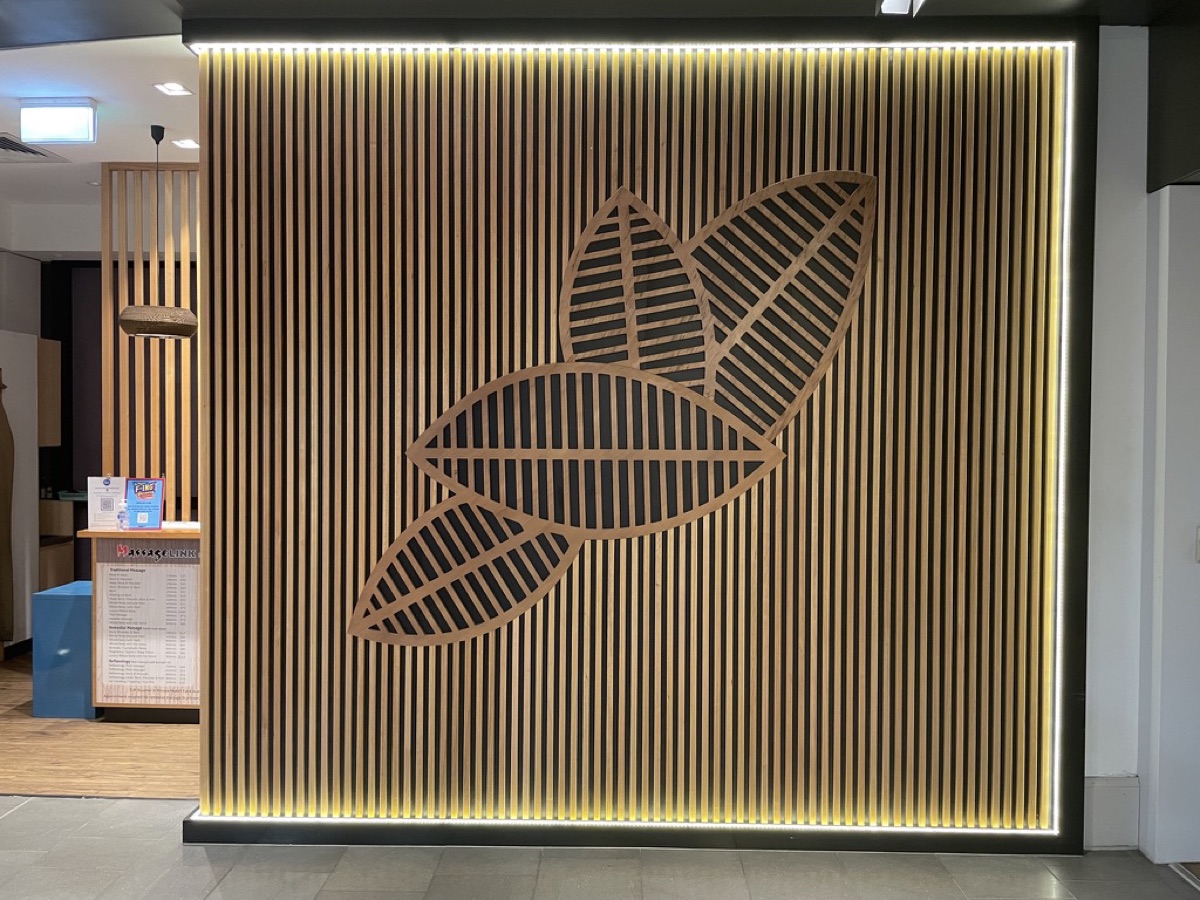 Decorative screens & motifsA routed leaf motif set into a timber slat wall for a retail fitout — pattern work machined to match the shopfitter's setout.
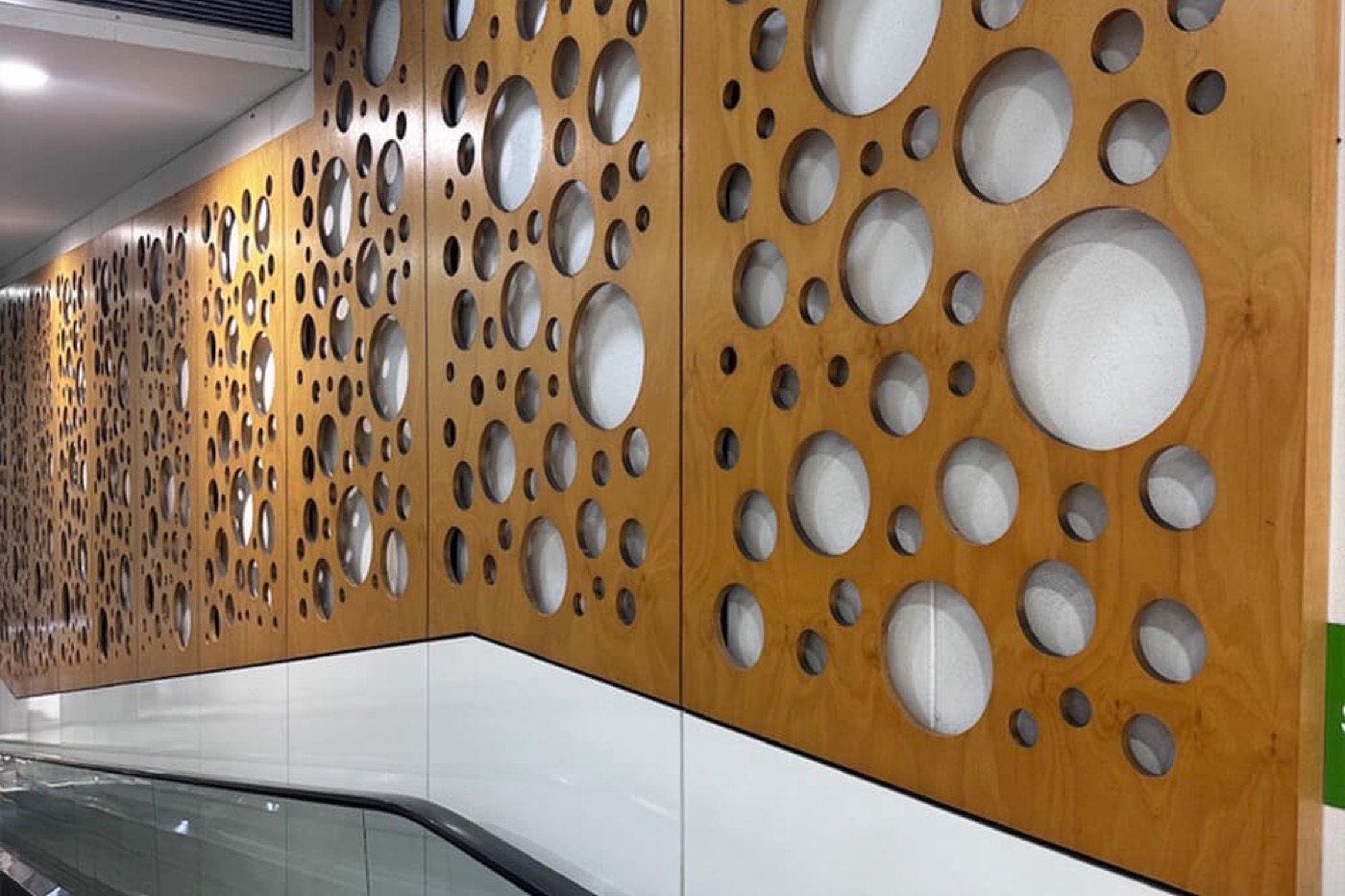
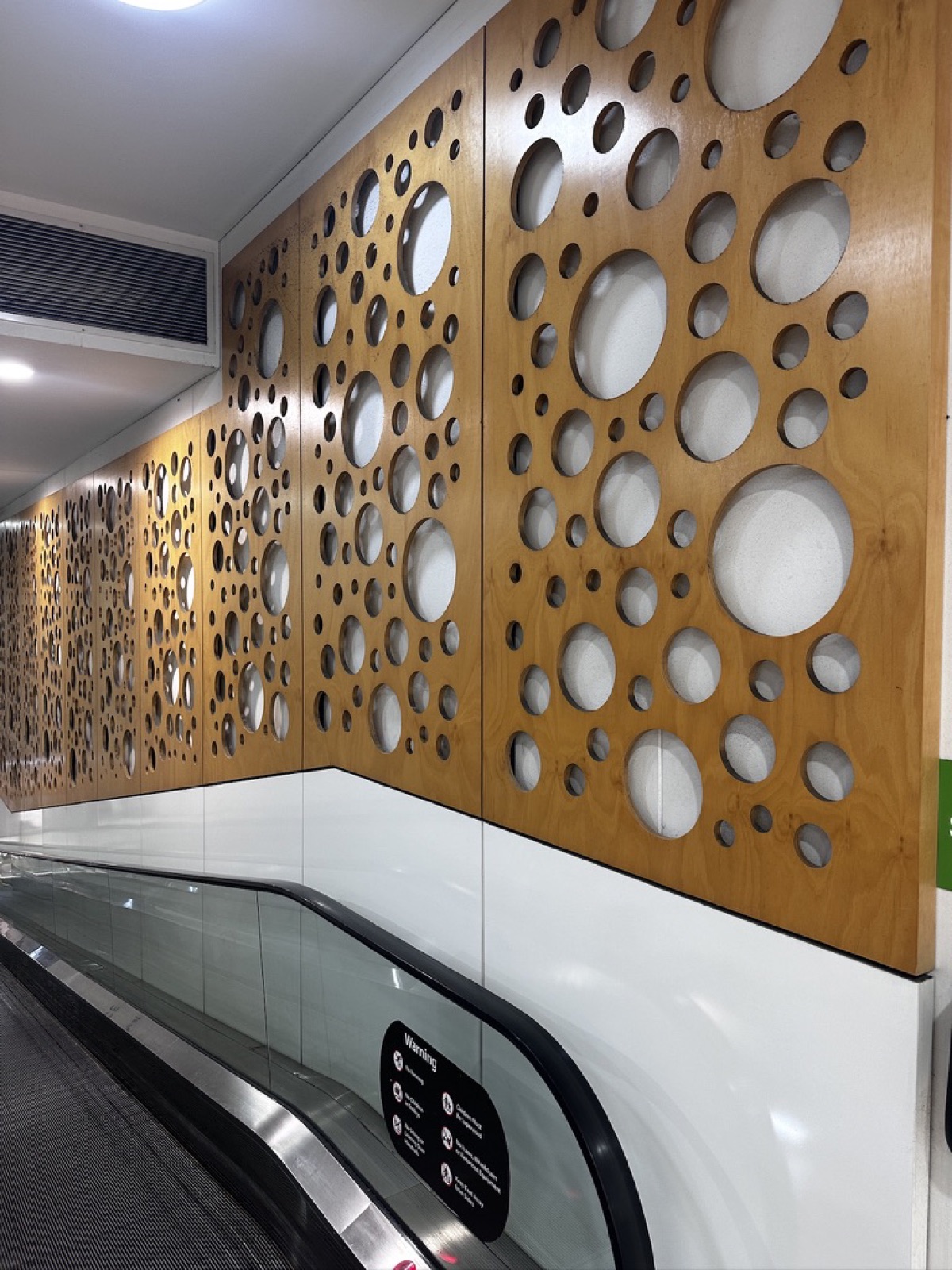 Perforated panel runsTimber-look perforated panels with circular cut-outs lining a travelator wall — a long repeat run where consistency between sheets is the whole job.
Industries we cut for — and repeat production
The router serves two kinds of buyer equally: the one-off project with a design attached, and the repeat order where the drawing is fixed and the only question is when the next batch lands. For repeat buyers, programs, nests and material specs stay on file — reordering is a purchase order against a known part, not a fresh conversation. Multi-site rollouts, franchise fitouts and standing component orders all run this way, with every batch cut to the same file.
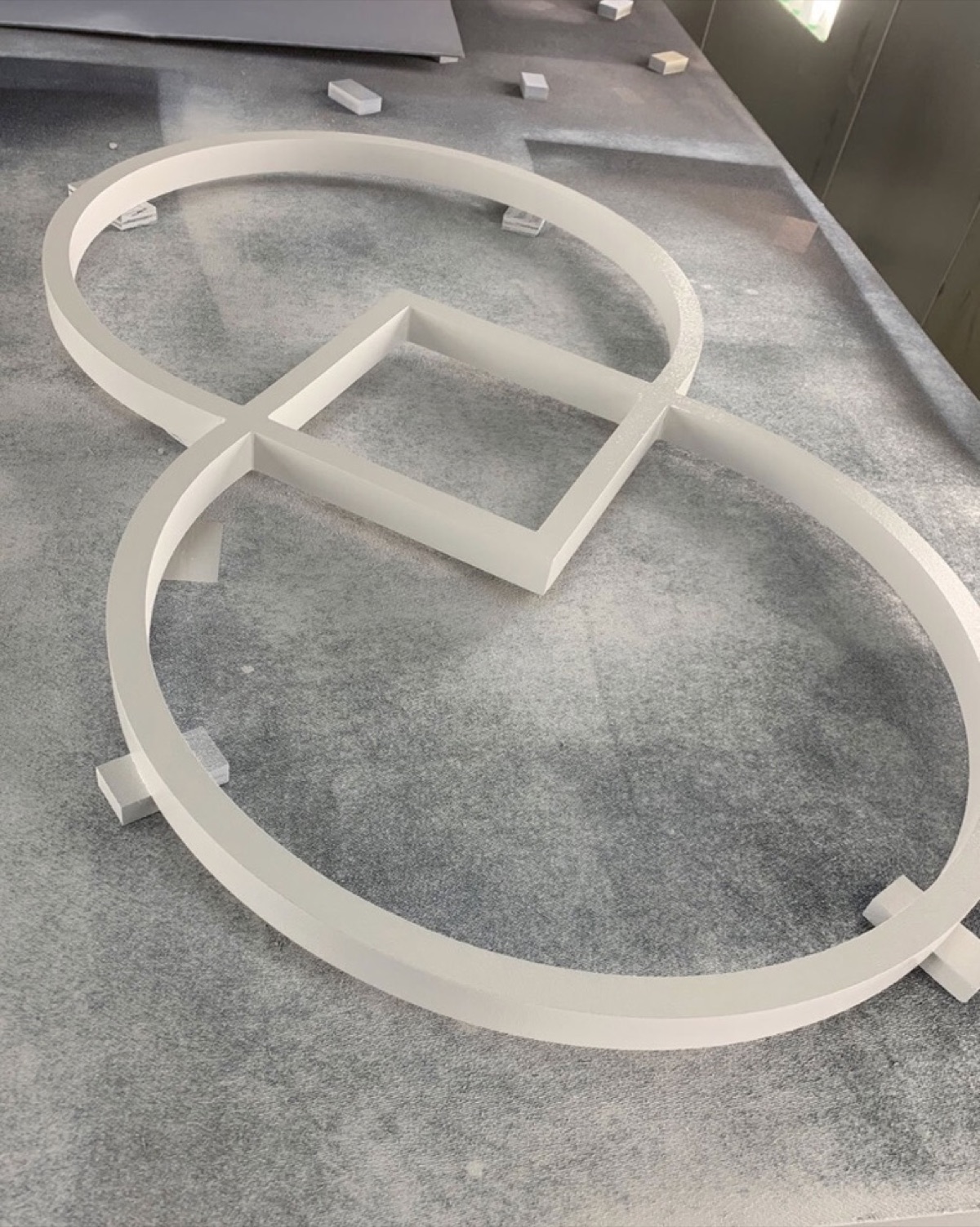
Recent work from the workshop
Common questions
What sheet size can you rout?
The working field is 3078 × 1563mm with up to 200mm material clearance — a full standard sheet in one setup. Oversize work is typically tiled into panels that join during fabrication or installation.
Router or laser — which does my job need?
Rigid boards, ACM, HDPE and thick sections suit the router; acrylic and timber needing polished edges suit the CO₂ laser; sheet metal runs on the fiber laser. Send the job and we route it to the right machine.
Can you V-groove ACM for folding?
Yes — cut and V-groove in one setup, so folded pan signs, trays and returns come off the machine ready to fold and fabricate.
Do you cut PVC?
Rigid PVC and foam PVC are routed here rather than laser cut — the correct, safe process for those materials.
What files do you need?
Vector cut paths (DXF, DWG, AI, PDF) drawn in millimetres at 1:1 scale, with cut, groove, drill and engrave layers separated — or drawings we can redraw as a quoted drafting step.
Do internal corners come out sharp?
Router tools are round, so internal corners carry a small radius. Where a joint genuinely needs a sharp corner, we design in a corner relief — flagged at file check, not at assembly.
Can you supply the material?
Yes — common boards, ACM, laminates and plastics, or we cut customer-supplied sheets where suitable. Unfamiliar sheets are confirmed by sample testing first.
Can you handle repeat and batch orders?
Yes — programs, nests and material specs stay on file, so reorders run against the same drawing every time. Rollouts and standing component orders are core work.
Do you cut parts that aren't signage?
Constantly. Jigs, templates, cabinet parts, machined plastic components and packaging pieces all run across the same bed — if it is a flat sheet part, send it through.