In-house production
Laser Cutting Services
Two laser processes under one roof: CO₂ cutting for acrylic, timber and plastics with display-grade edges, and fiber cutting for stainless, aluminium and steel — routed to the right machine and finished by the same production team.
Request a quote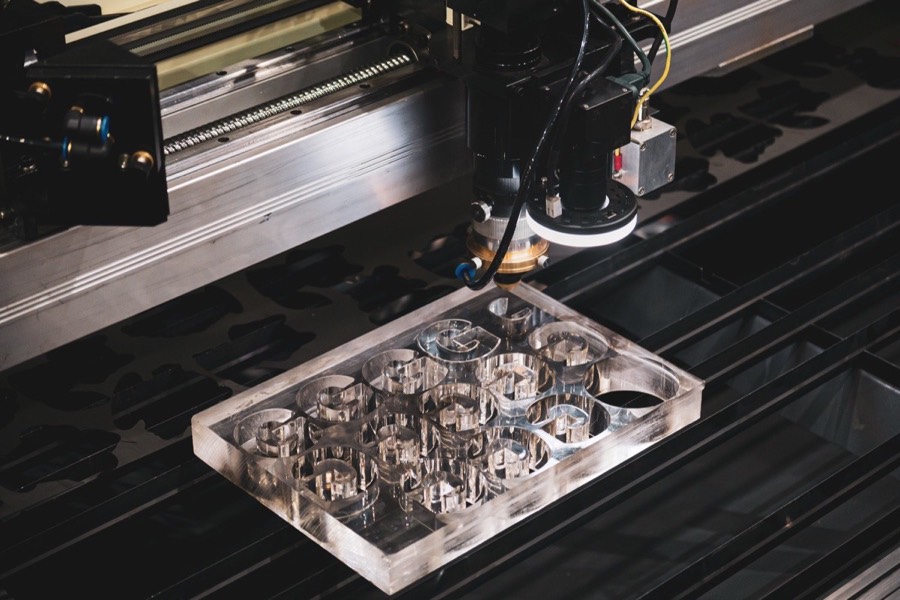
Which laser does your job need?
Laser cutting is not one process — it is two. A CO₂ laser cuts non-metals: acrylic, timber, plywood, MDF and a wide range of plastics, foams and boards. A fiber laser cuts sheet metal. We run both in the same Botany workshop, so a mixed job — an acrylic sign face, a plywood template, a set of stainless brackets — is produced under one order, to one deadline.
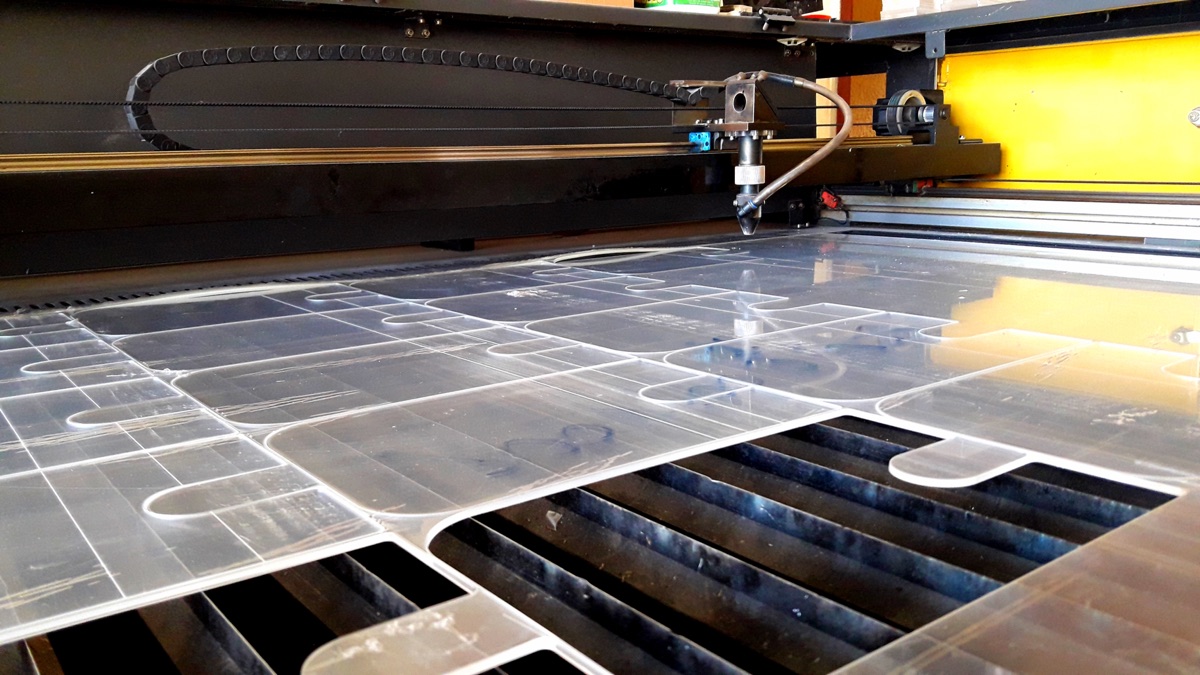
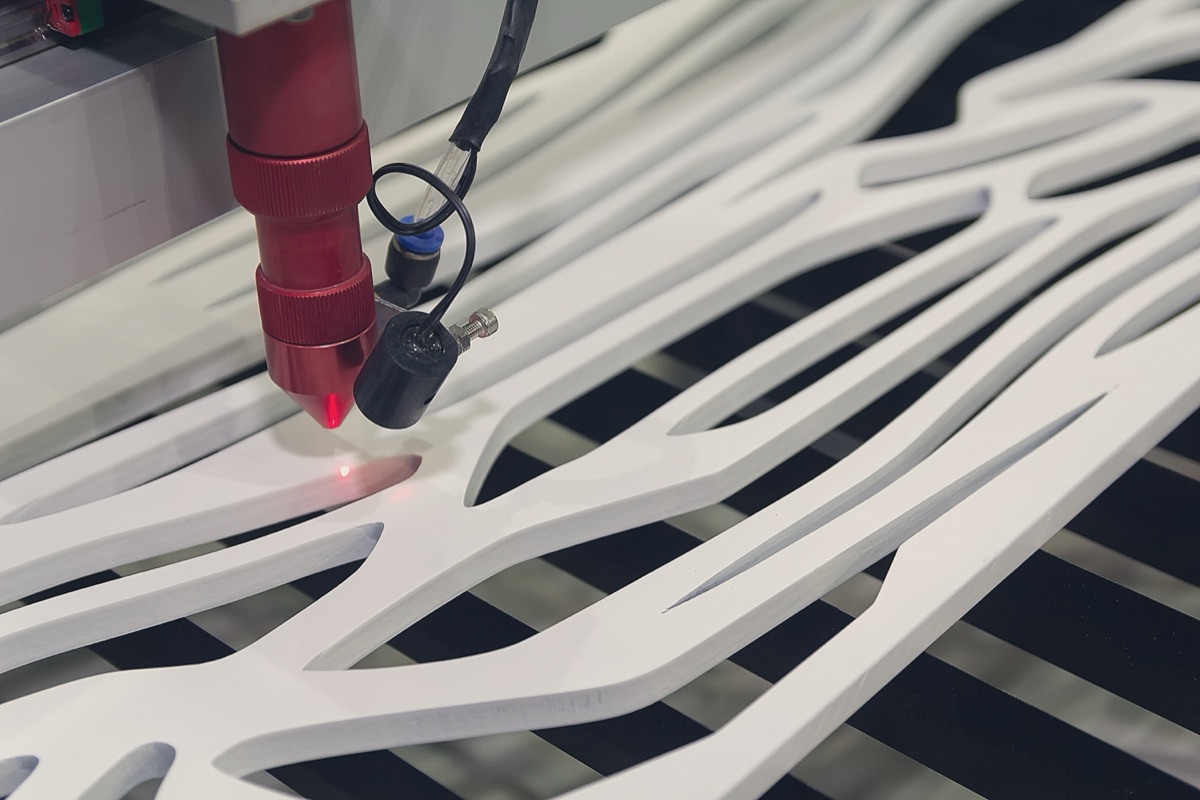
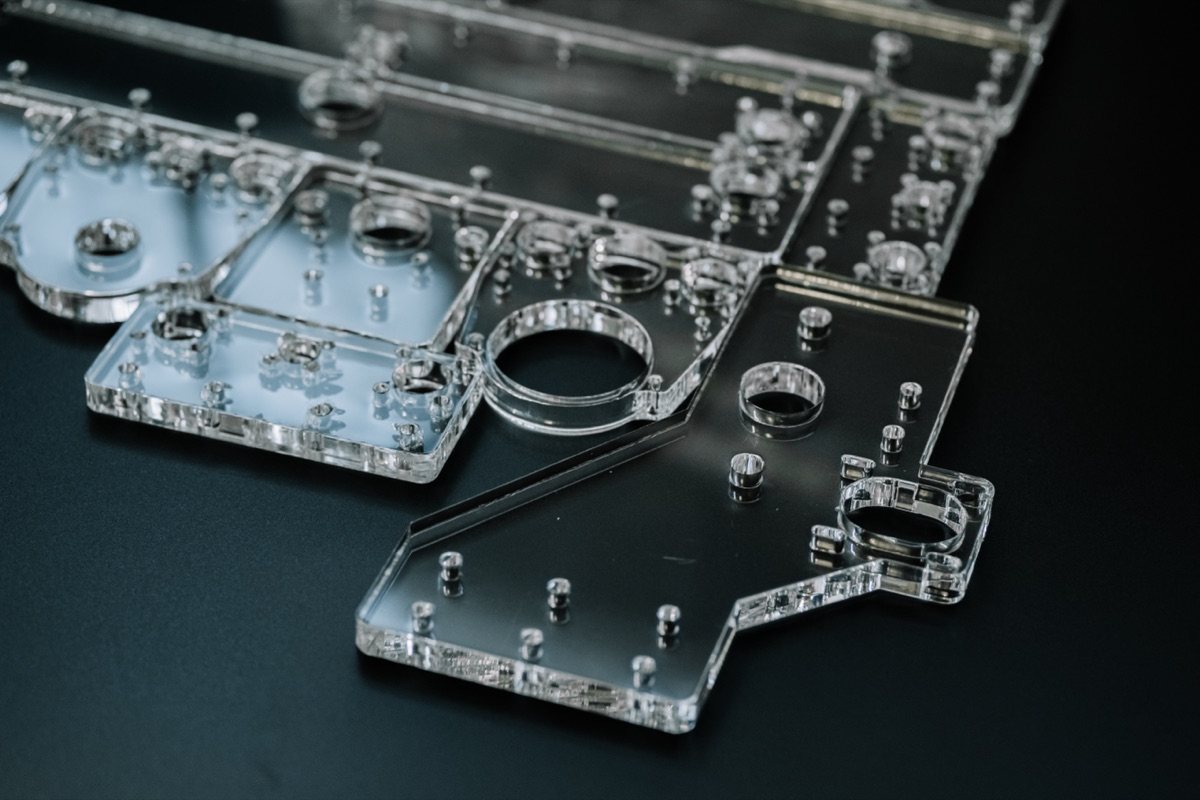
The CO₂ laser is the machine behind most of the acrylic work on this site. Cast acrylic comes off the bed with a flame-polished edge — no sanding, no buffing — in thicknesses up to 40mm, and timber, plywood and MDF cut cleanly to 20mm. Sheets up to 3000 × 1500mm fit the bed in one piece, so large panels cut without joins.
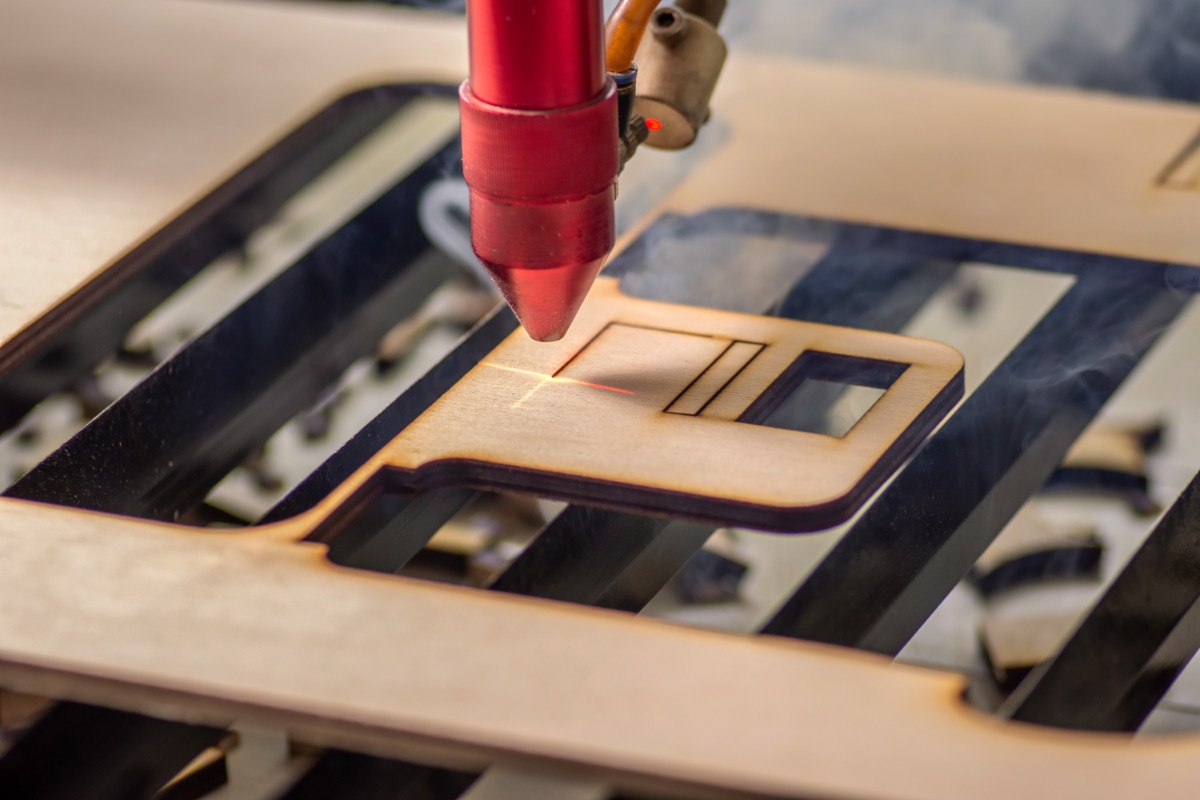
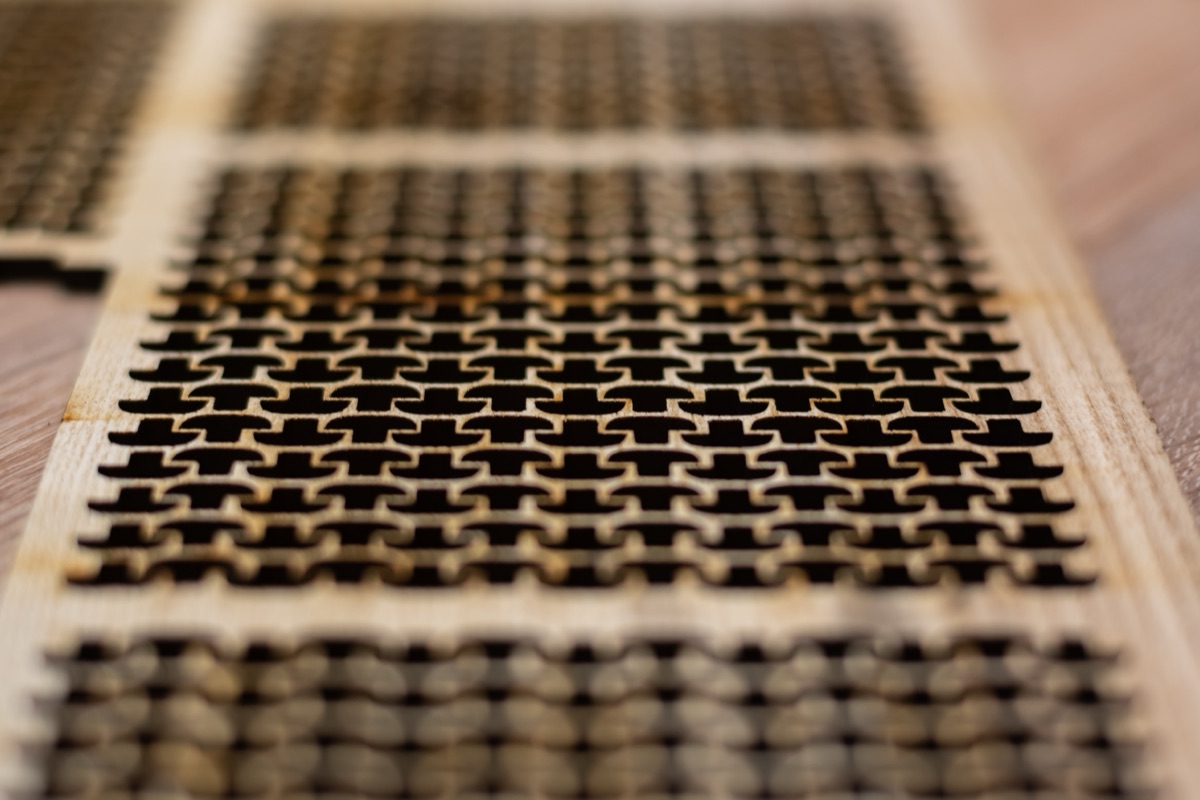
Fine detail is where the process earns its keep. The beam removes a sliver of material rather than pushing a tool through it, so small text, tight internal corners and delicate lattices hold their shape in ways a router bit cannot match — and the same file cuts the same part every time.
Fiber laser cutting is the metal side: stainless, mild steel, aluminium, Corten, brass and copper cut from sheet with crisp, consistent edges. If your job is metal from end to end, the dedicated fiber laser cutting page covers materials, thicknesses and finishing in detail.
Two things the CO₂ laser never does: it never cuts metal, and we never laser cut PVC or foam PVC — heating PVC releases corrosive gas, so those materials always move to the CNC router or the digital knife. You do not need to know any of this to order: send the job, and we route every part to the right process before we quote.
That routing matters because our laser-cutting clients are not only signmakers. Engineering firms order precision plastic components, shopfitters order fascia panels and fixtures, packaging houses order inserts and displays, and procurement teams order the same cut parts month after month.
What we laser cut every week
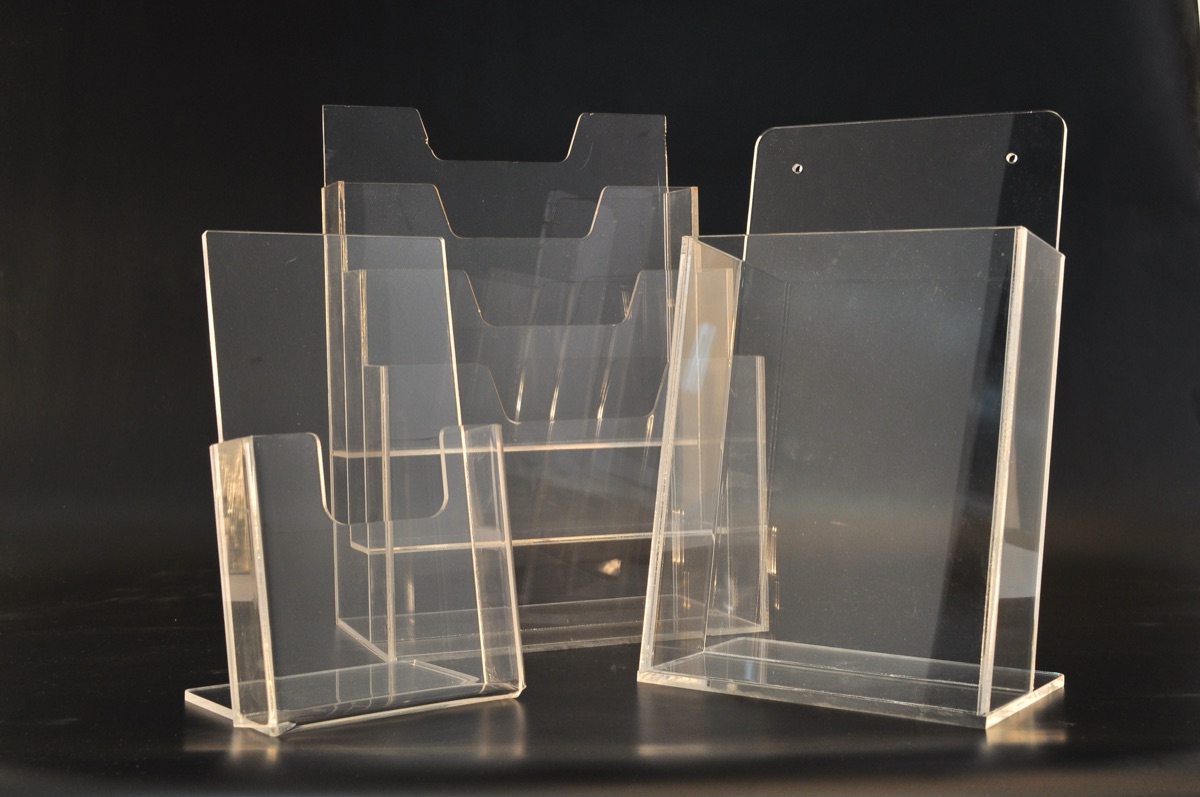 Display & POS componentsBrochure holders, stands, dispensers and retail display units cut and assembled in clear and coloured acrylic.
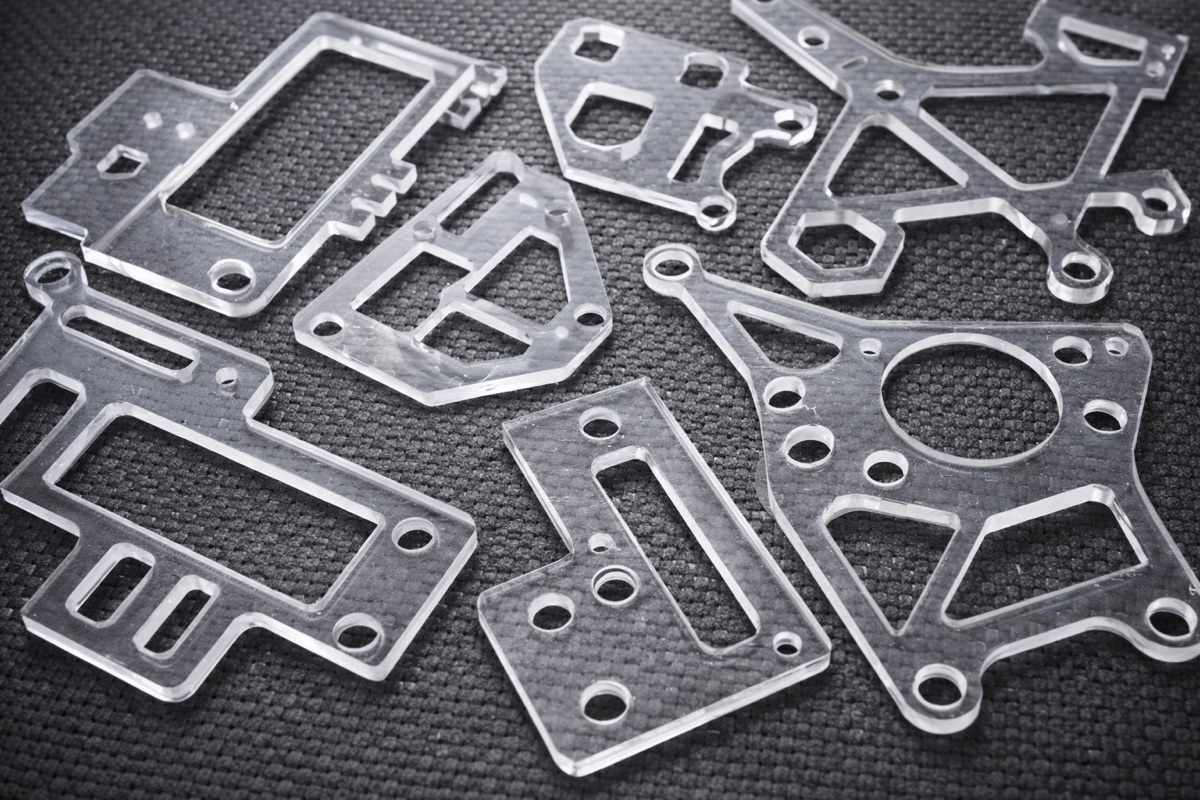 Technical plastic partsPrecision components in acrylic, polycarbonate, PETG and ABS — brackets, guards, covers and machine parts cut to your drawing.
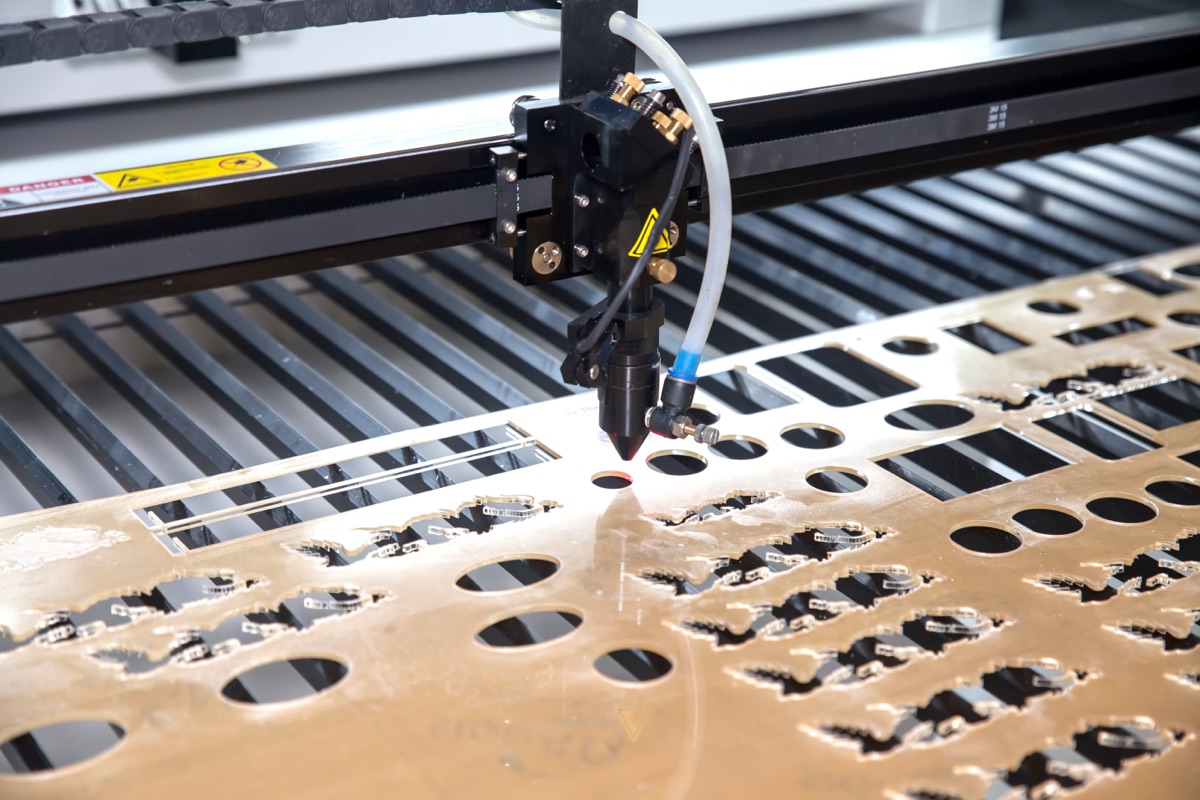
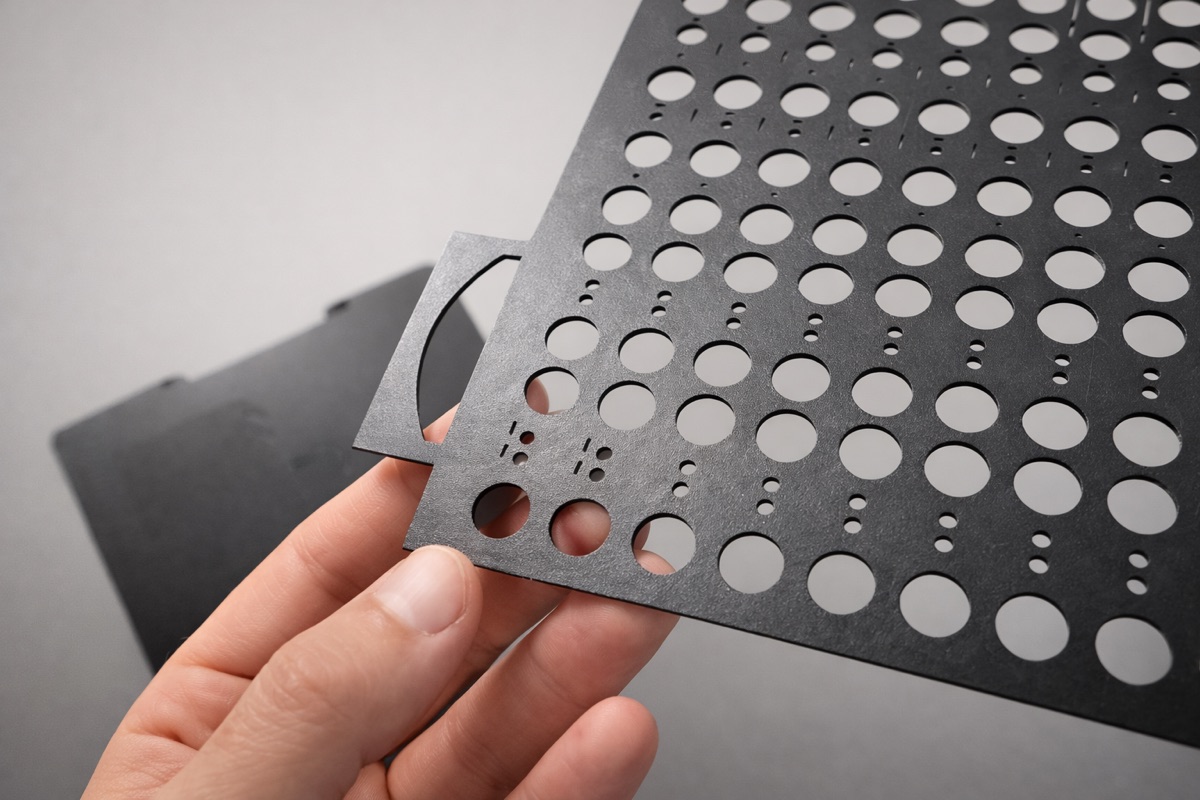 Perforated & gasket-style sheetHole patterns, vents, spacers and seals cut in plastics, rubber and laser-safe sheet goods.
Materials and thickness guidance
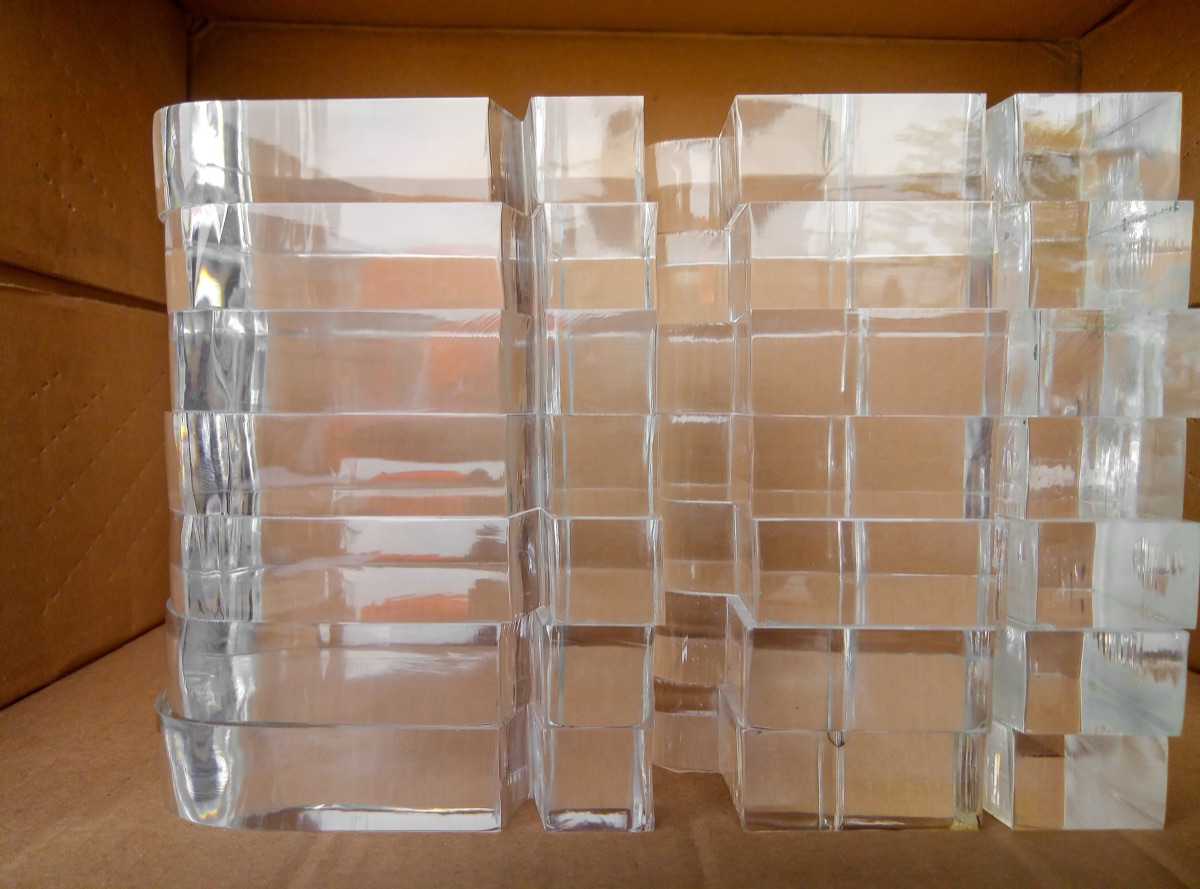
Cast acrylic is the flagship CO₂ material: it cuts with a fire-polished edge straight off the machine and we run it up to 40mm thick — from thin sign faces to solid display blocks. Extruded acrylic, PETG, ABS and thin polycarbonate all cut well, each with its own edge character; we advise which grade suits the job when we quote.
In timber, we cut plywood, MDF and solid boards up to 20mm, along with bamboo panels and veneered stock. Expect a fine, even char line on timber edges — part of the look, and consistent across a batch. Marine-grade plywood is the exception: its adhesives do not suit the laser, so it routes to the CNC machine.
Beyond plastics and timber, the CO₂ laser handles an unusually wide sheet range: EVA foam, laser-safe rubber and gasket material, cork, acoustic felt, card and paperboard. Thickness limits vary by material and grade, so anything outside our regular stock is confirmed by sample testing before a production run. If you are unsure whether a material is laser-safe, ask before supplying sheet — some plastics and unknown composites are not.
How a laser-cutting job runs
Most jobs start with a vector file — AI, PDF or DXF at 1:1 scale. If you only have a sketch, a dimensioned drawing or a sample part, we redraw it into a cut-ready file and quote that drawing time openly before any work starts.
Before cutting, every file is checked and nested. Nesting packs your parts tightly onto the sheet, which reduces the material you pay for and lets mixed parts in the same material share one run. The machine compensates for the width of the cut itself, so finished parts match the drawing, not the drawing minus the beam.
After cutting, parts either ship as they are or continue through the workshop: UV printing, engraving, 2-pack painting, fabrication and assembly all happen in the same building. A cut file can leave here as a bare component or a finished, painted, assembled product.
Quality is checked at the machine, not after the courier. First-off parts are inspected against the drawing before a batch runs. Orders are delivered Australia-wide or collected from the Botany workshop.
Industries and buyers we cut for
Signage is where we started, but the machines do not care what a part is for. The same file-to-part discipline serves fabricators, fit-out companies, designers and procurement teams buying production components on schedule.
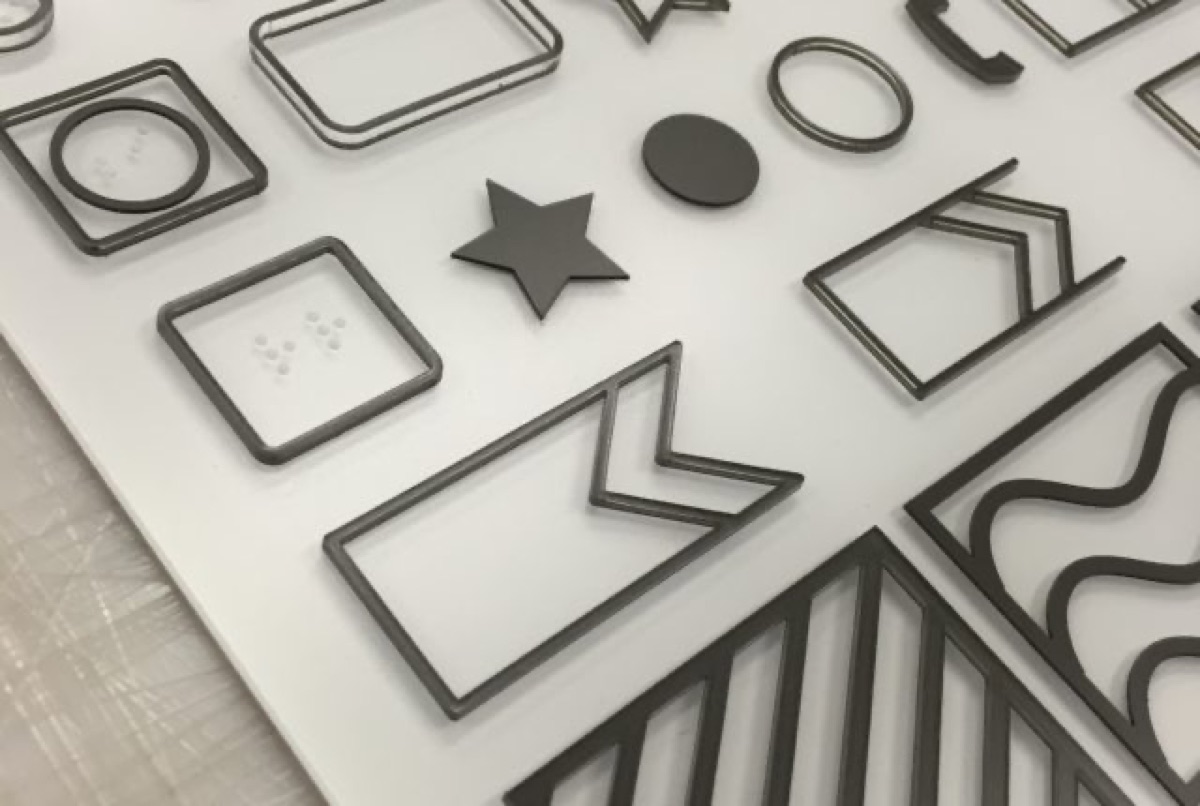 Accessibility & wayfindingTactile indicators, braille signage components and compliant wayfinding elements cut with the precision the standards demand.
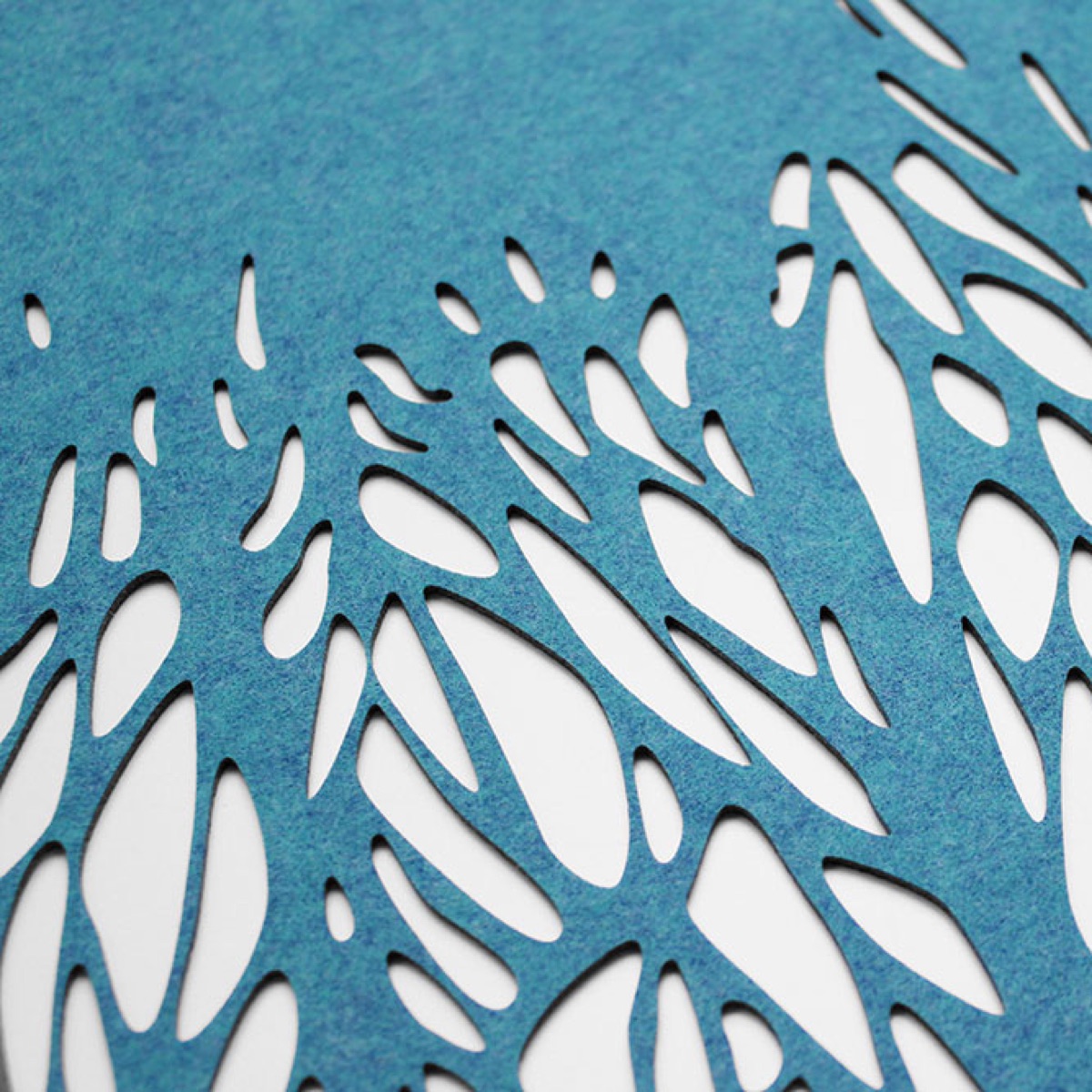 Architecture & acoustic interiorsDecorative screens, feature panels and patterned acoustic felt cut for ceilings, walls and workspace dividers.
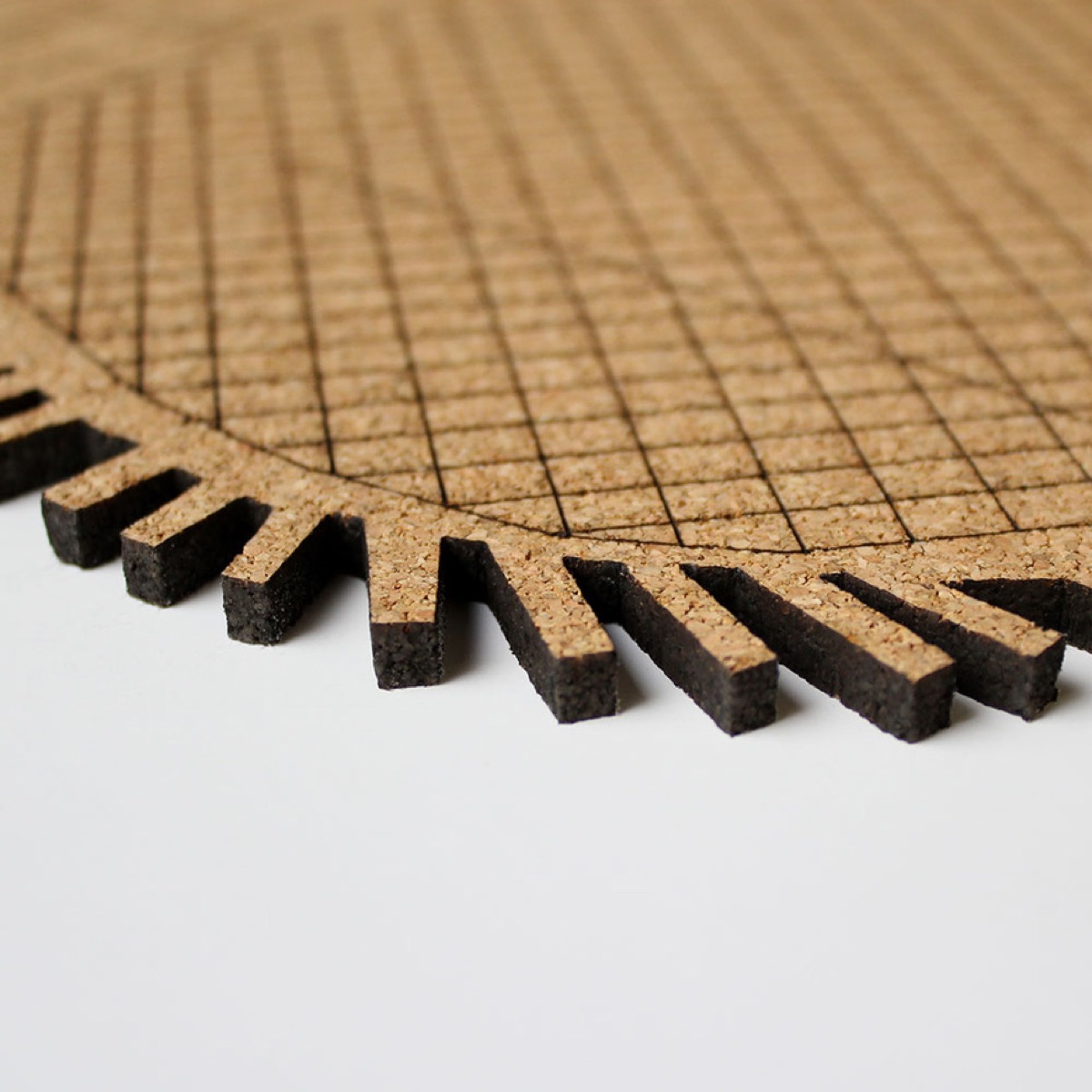 Packaging, POS & productPresentation inserts, counter displays, engraved cork and timber product components, and short-run branded goods.
Repeat orders, batch production and preparing your quote
Because the process is driven entirely by the digital file, part fifty matches part one and this year's rollout matches last year's. We keep your cut files, material specs and finishing notes on record, so a repeat order is a one-line email — no re-briefing, no re-drawing, no drift between batches.
Batch work is also where laser cutting is most economical. Setup is minimal compared with tooled processes, and close nesting drops the cost per part as quantities rise. One-off prototypes run on the same machines, so you can prove a design before committing to volume.
To quote accurately we need three things: your artwork or drawing (vector preferred, but we can work from less), the material and thickness if you know them, and the quantity. Add the deadline if the job is date-critical. From that we confirm the right process, flag anything we would build differently, and return a firm price.
Recent work from the workshop
Common questions
What's the difference between CO₂ and fiber laser cutting?
CO₂ cuts non-metals — acrylic, timber, plastics, foams and boards — with polished edges; fiber cuts sheet metal. We run both and route each part to the right process.
How thick can you cut acrylic and timber?
Cast acrylic to 40mm with a flame-polished edge; timber, plywood and MDF to 20mm. Other plastics vary by grade — we confirm the limit for your material when we quote.
What sheet sizes do you take?
Both lasers handle sheets up to 3000 × 1500mm, so large panels cut in one piece. Anything bigger is produced in sections that join cleanly.
Can you cut PVC?
No — PVC and foam PVC are never laser cut, because heating them releases corrosive gas. Rigid PVC routes to the CNC router and flexible sheet to the digital knife cutter, so the job still gets done in-house.
Can you engrave as well as cut?
Yes — surface engraving on acrylic, timber and cork runs on the same machines for logos, patterns and text, and combines with cutting in a single pass.
Do you supply material?
Yes — we cut from our own sheet stock or from approved customer-supplied material, checked for laser safety and suitability before it goes near the machine.
What files do you need?
Vector paths (AI, PDF, DXF) at 1:1 scale are ideal. Artwork-only jobs are fine — we prepare the cut paths ourselves and quote any drawing time openly before starting.
Can you handle repeat and batch orders?
That is a core part of the business. Your files, materials and finishing specs stay on record, so reorders match earlier batches exactly — many engineering, shopfitting and packaging clients order the same parts on a standing cycle.
Do you only work with signage companies?
No. Alongside signmakers we cut for engineering firms, joiners and shopfitters, packaging and POS producers, architects and procurement teams — anyone who needs accurate flat parts, once or on repeat.