
In-house production
3D Printing
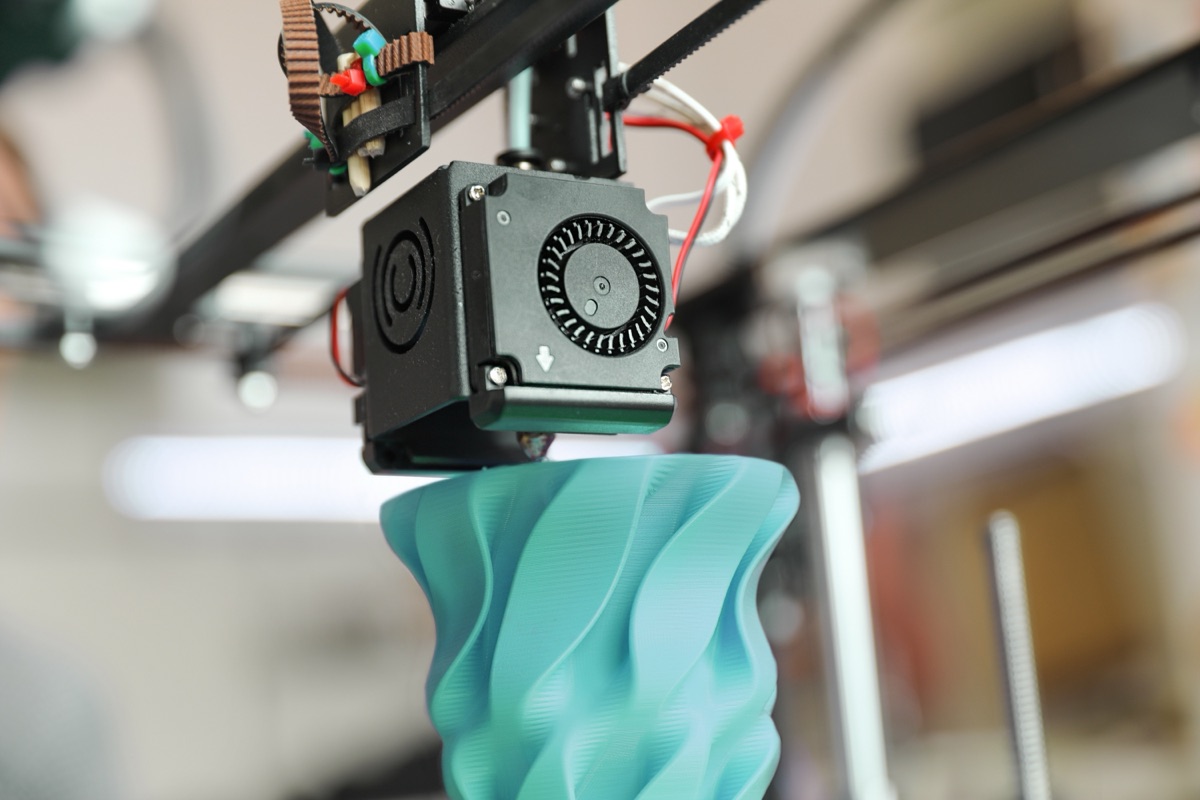
Large-format additive printing for signage and display — dimensional logos, sculptural brand elements, architectural details and event pieces built in-house, then finished, painted and integrated with the rest of the workshop.
Request a quote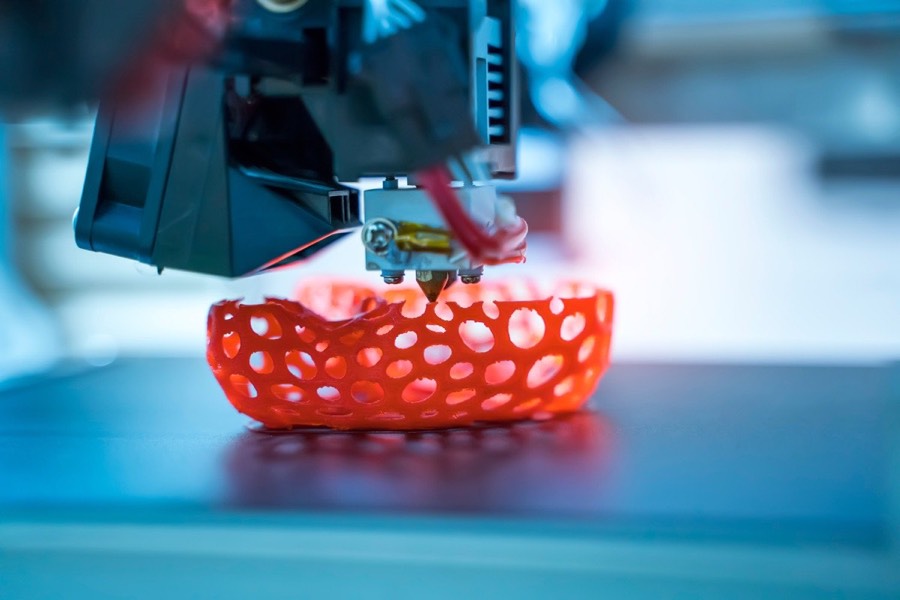
Shapes that flat sheet can't make
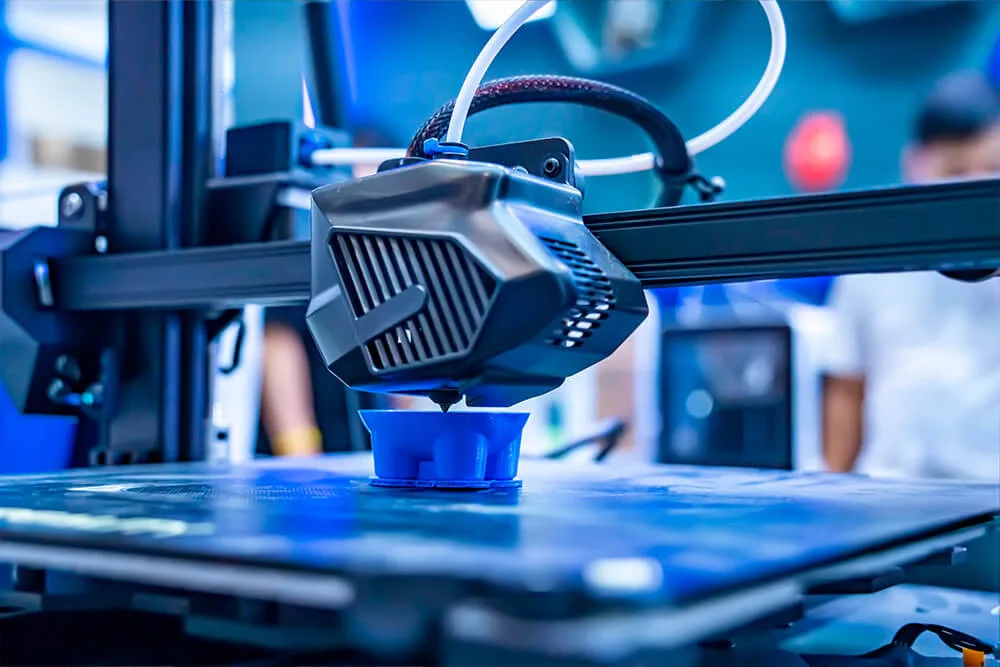
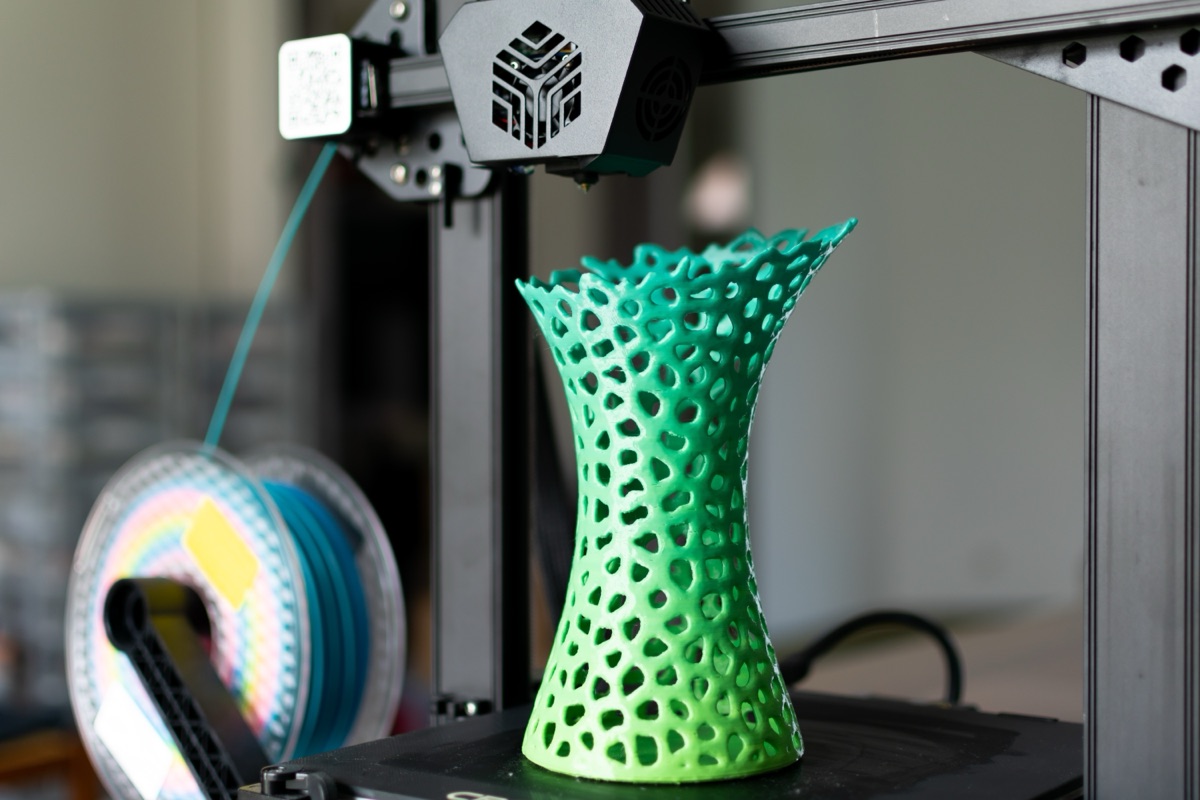
Cutting handles flat material brilliantly; 3D printing handles everything that isn't flat. Compound curves, sculptural logos, dimensional characters and one-piece forms that would otherwise need moulds or hours of hand-fabrication print directly from the 3D file — no tooling, no minimum run.
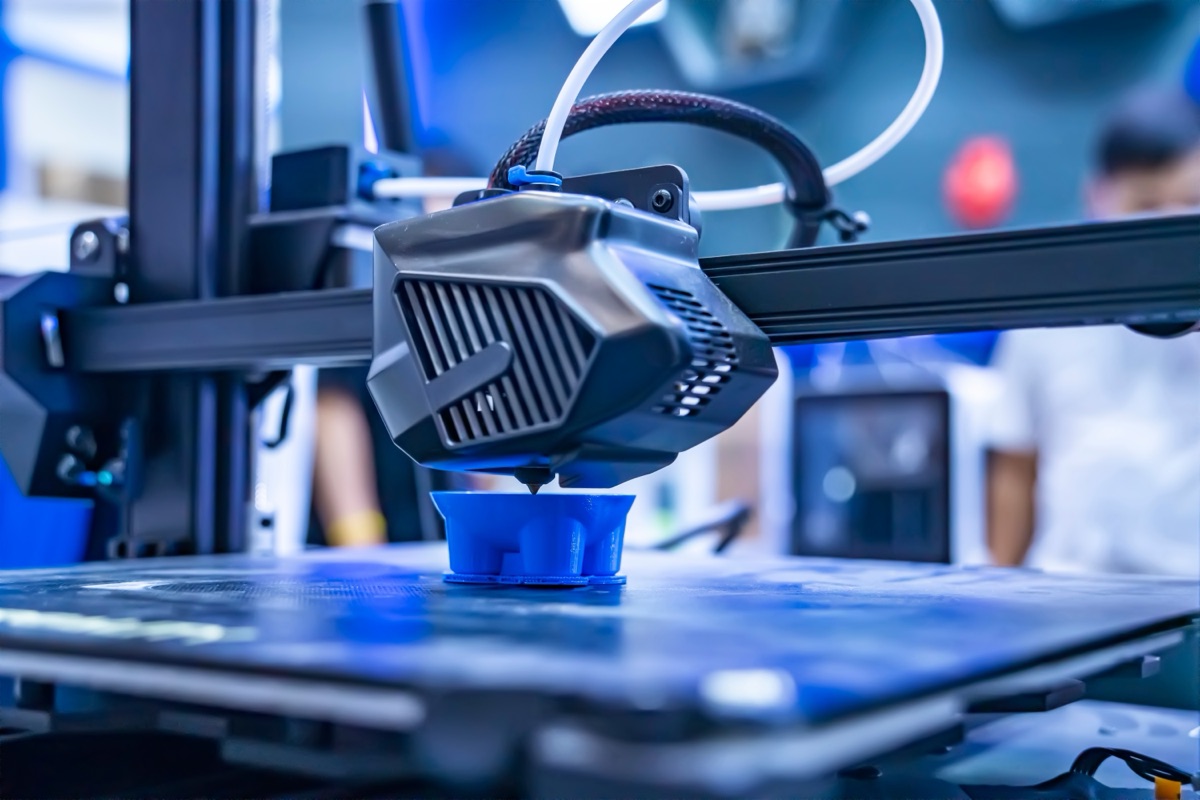
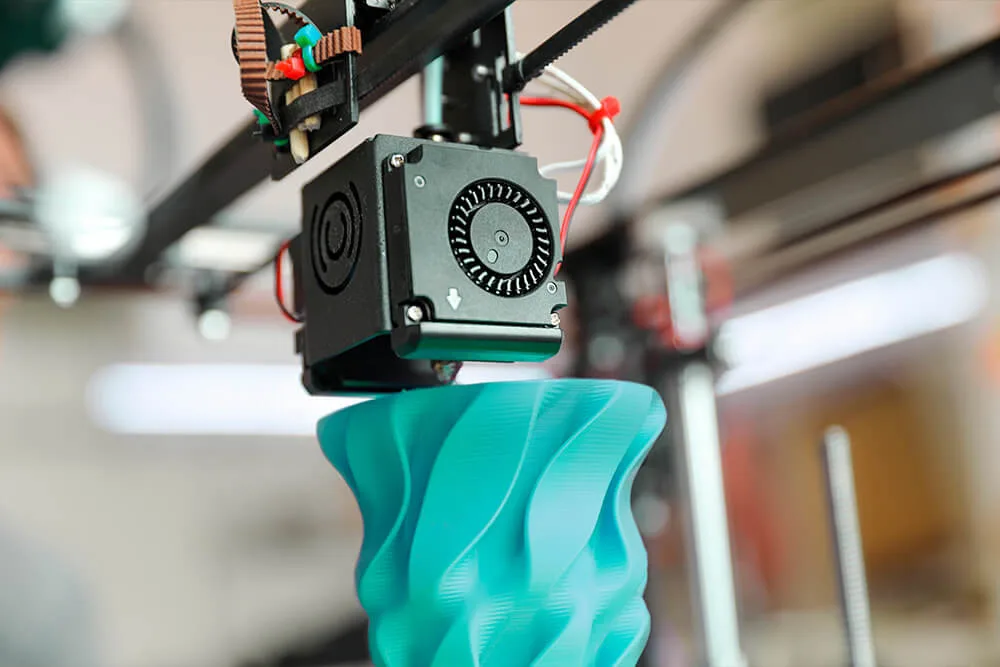
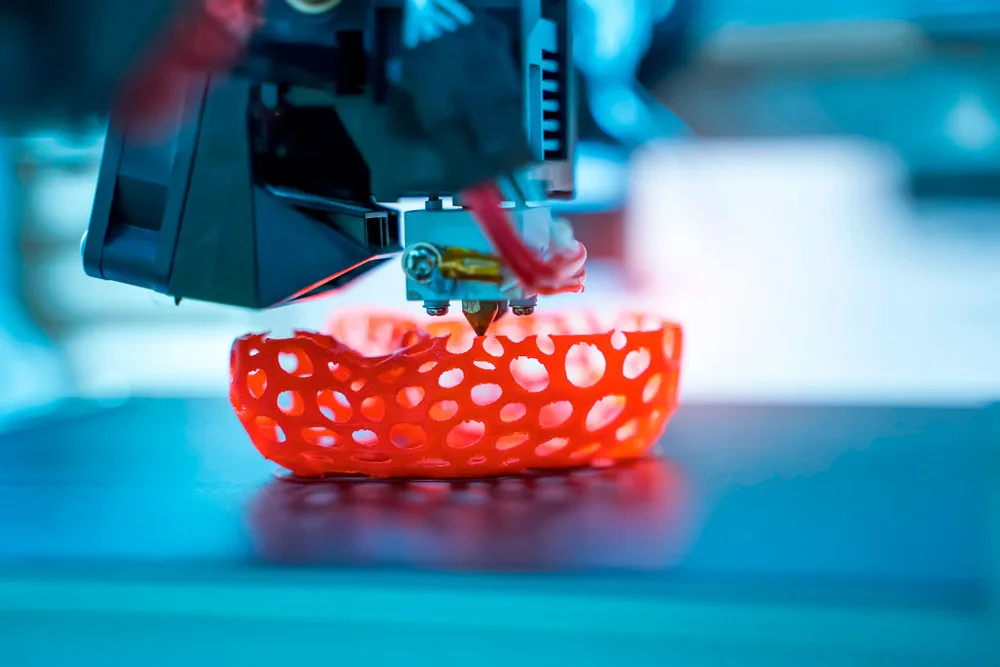
Our machines are FDM/FFF polymer printers, building parts layer by layer in thermoplastic. A single build runs to 800 × 800 × 500mm, and pieces beyond that size are printed in sections and joined, so the finished element can be far bigger than any one build. Join lines are filled and sanded during finishing and disappear under paint.
We are open about where we sit. This is visually led, polymer-based printing for commercial work: signage, interiors, display, props, housings and functional workshop parts. We do not print metal, medical devices or certified engineering components, and we will say so rather than take a job that belongs elsewhere.
Much of the value comes after the printer stops. Parts are sanded, primed and 2-pack spray painted in the same building, and suitable surfaces can be UV printed with graphics direct to the part. What leaves the workshop is a finished, colour-matched product, not a raw print.
And while signage is our home ground, plenty of printed work never hangs on a wall. Engineering clients order brackets, jigs and one-off replacement parts; shopfitters and joiners order profiles and decorative details; packaging and POS buyers order display props and product replicas. If the part is polymer and the geometry suits it, the process is the same.
Where printed parts earn their place
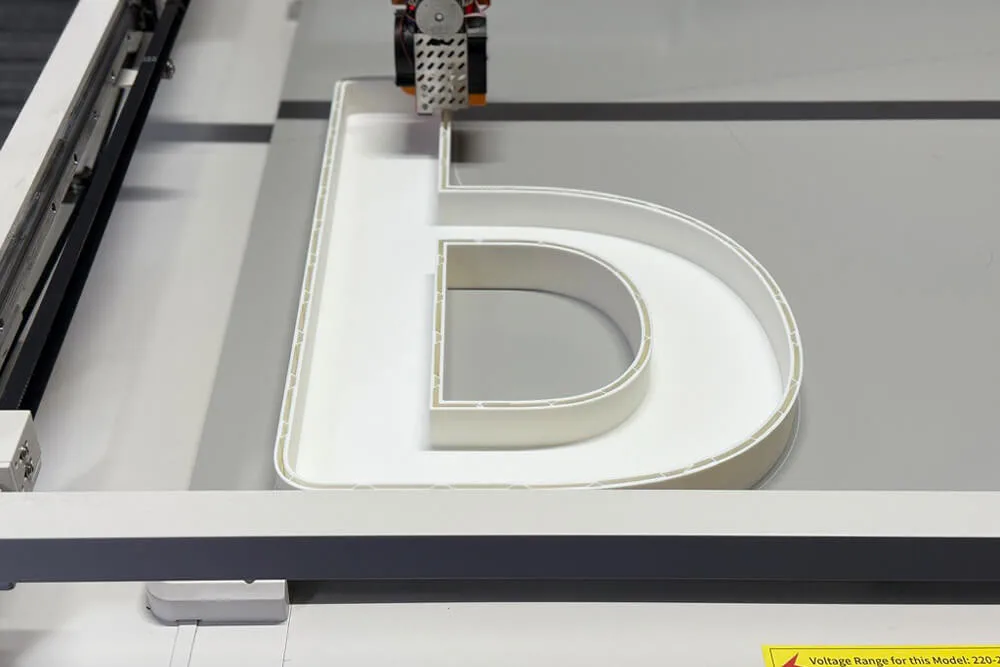
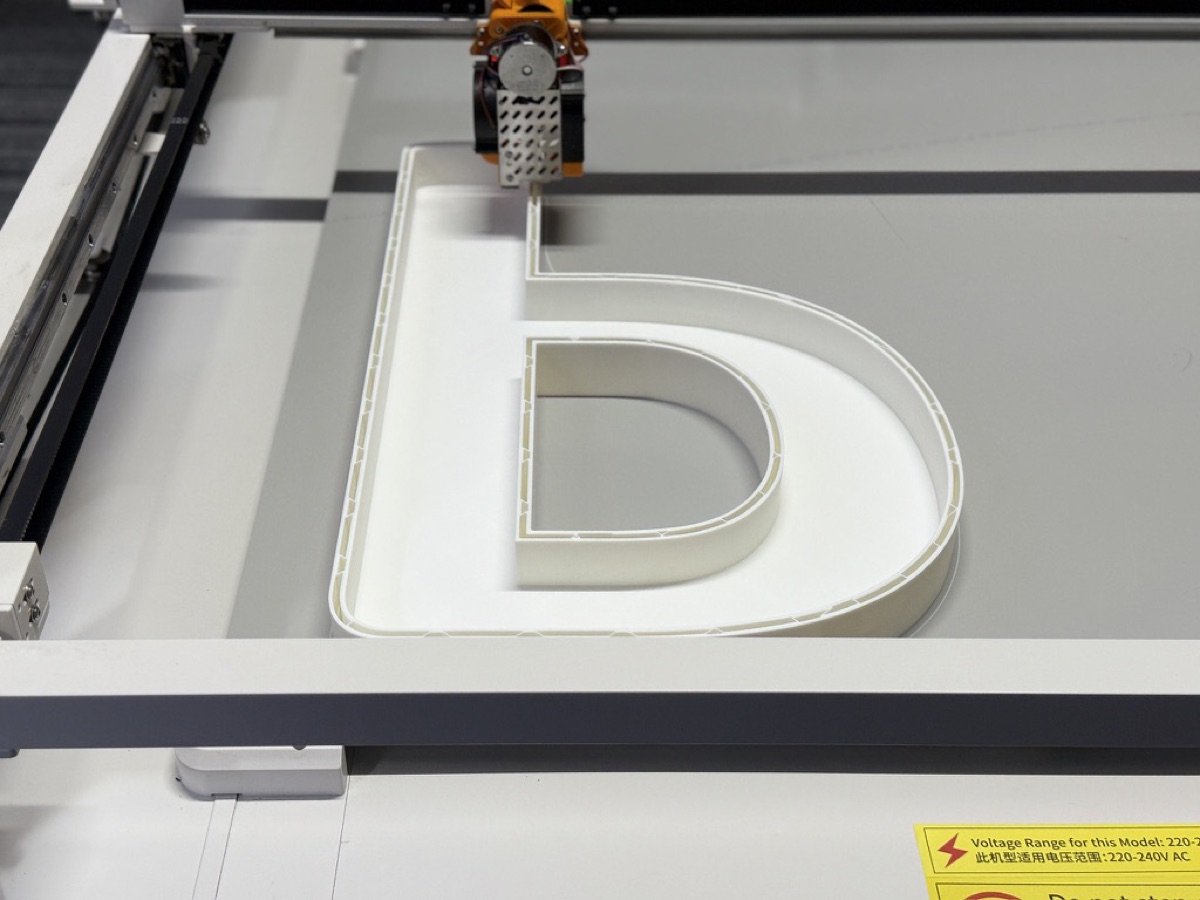 Dimensional logos & lettersSculptural brand marks and letter bodies with geometry beyond flat-cut lettering — printed hollow to keep weight and cost down.
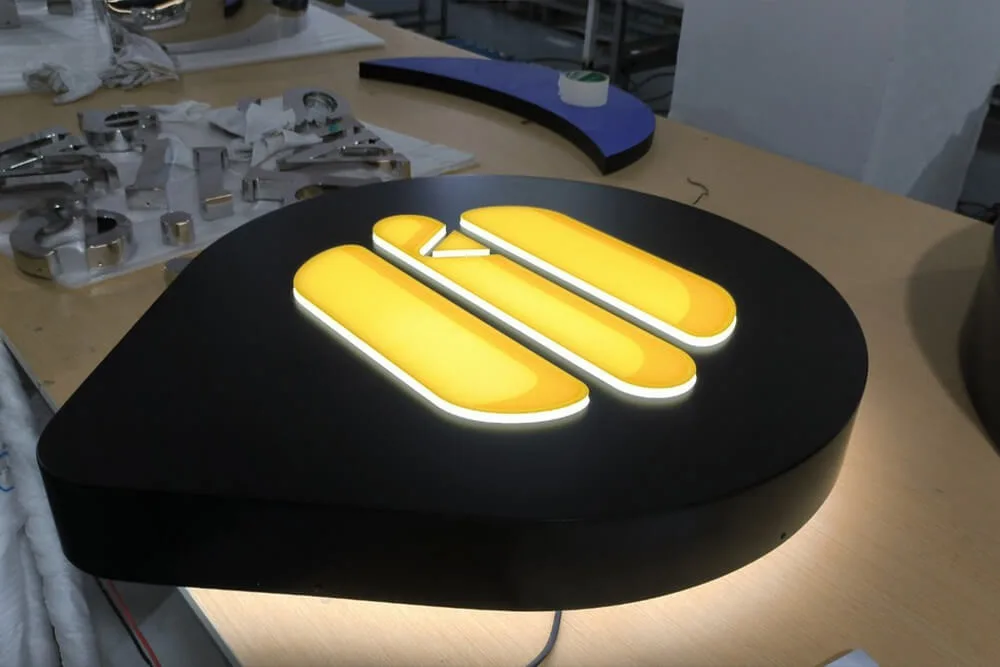
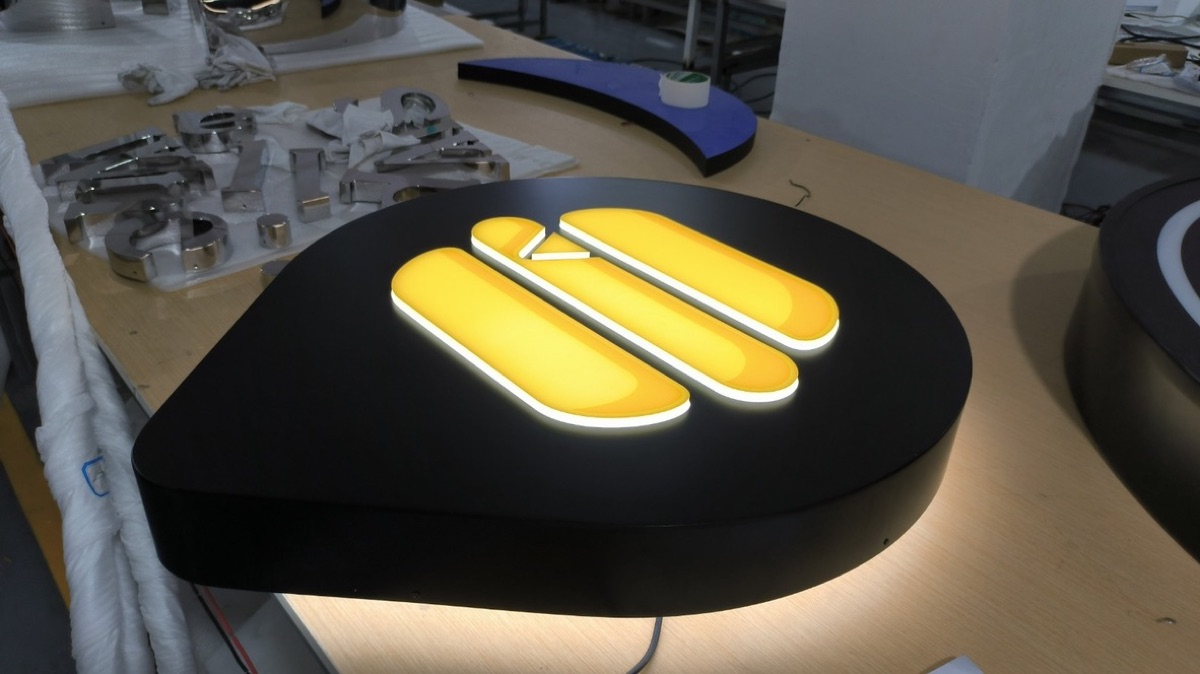 Illuminated sign componentsLetter returns, diffuser housings and lightbox elements printed to suit LED illumination, then assembled and finished with the rest of the sign.
Materials we print
We keep the material list short and proven. For visually led commercial parts, a handful of well-behaved polymers covers almost every job — each chosen because it prints reliably at large scale, sands and paints well, and behaves predictably in service. Selection is job-specific: tell us where the part will live and we will recommend the right one before quoting.
From 3D file to finished piece
Every job starts with a file check. We review your STL or OBJ for wall thickness, geometry issues and printability, and flag anything that will cause trouble before material is laid down. No 3D file yet? Send drawings, reference photos or sketches — we model in-house and quote that time openly as its own line.
Next comes build planning: orientation, layer height and internal structure are set per part, balancing surface quality against print time and strength. A sculptural logo gets different settings from a functional bracket, and pieces larger than a single build are split into sections engineered to join cleanly.
Printing runs on multiple machines, which is what makes deadlines and batches realistic — several sections of one large piece, or several copies of one part, build simultaneously rather than queuing on a single printer.
Finishing is where the part becomes a product. Sections are bonded, join lines filled, surfaces sanded and primed, and the piece is 2-pack spray painted to a colour-matched, display-grade finish — or UV printed where the job calls for it. Quality is checked against the file before anything is packed for collection or Australia-wide delivery.
Not just signage — who orders printed parts
The buyers below have little in common except that a printed polymer part solved their problem faster or cheaper than the traditional route. If your industry isn't listed, send the part anyway — we will tell you honestly whether printing suits it.
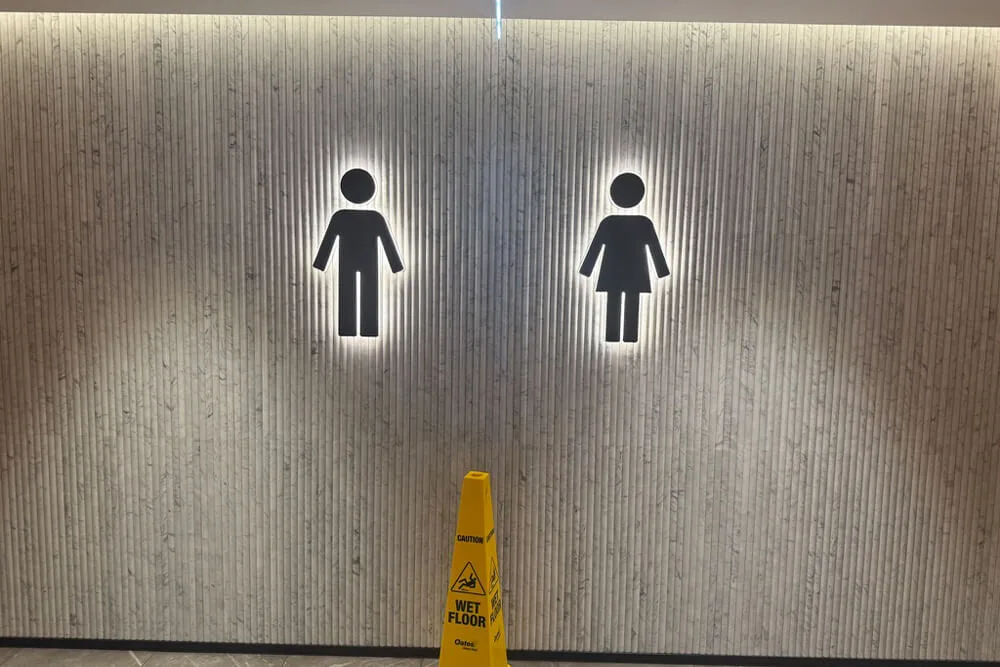
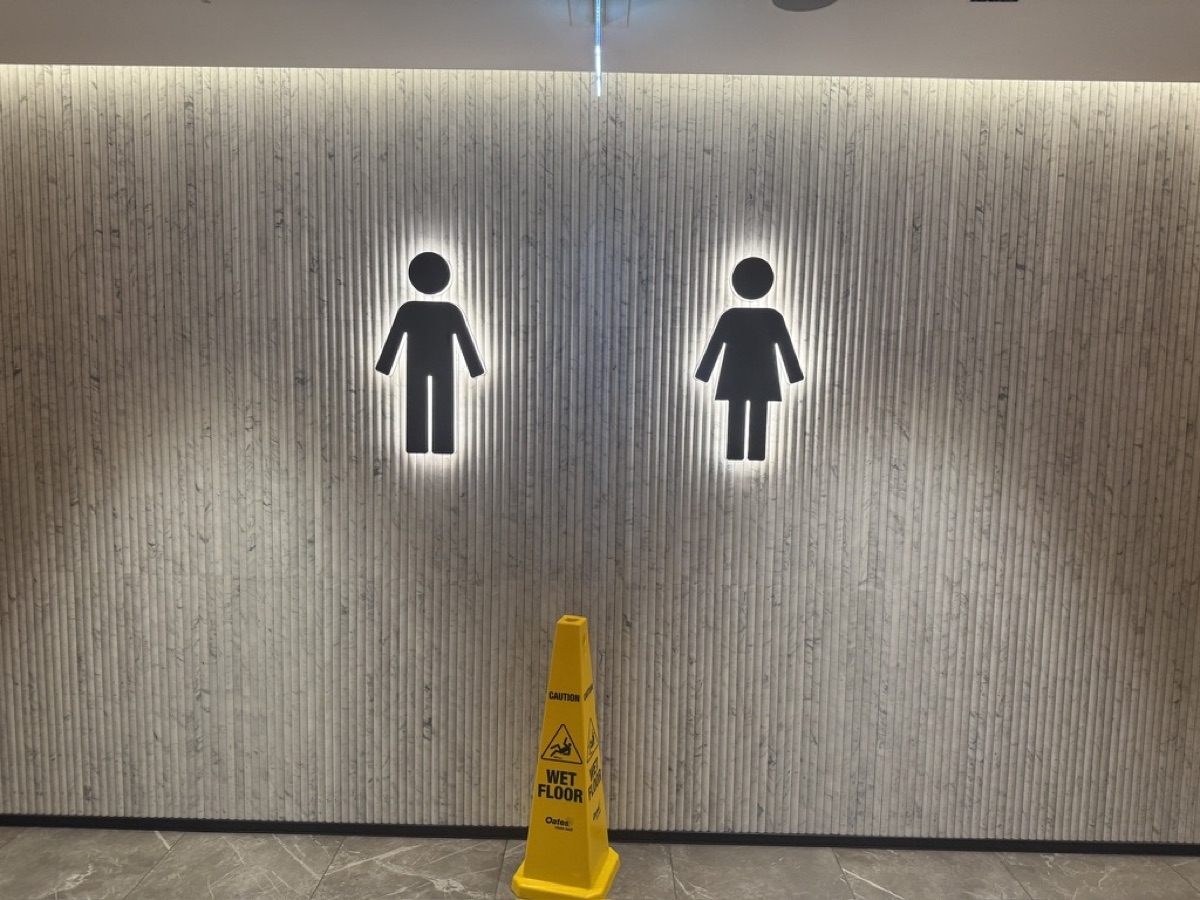 Property, wayfinding & councilsBacklit pictograms, amenity signage and wayfinding elements for buildings and public spaces — dimensional, durable and consistent across a site rollout.
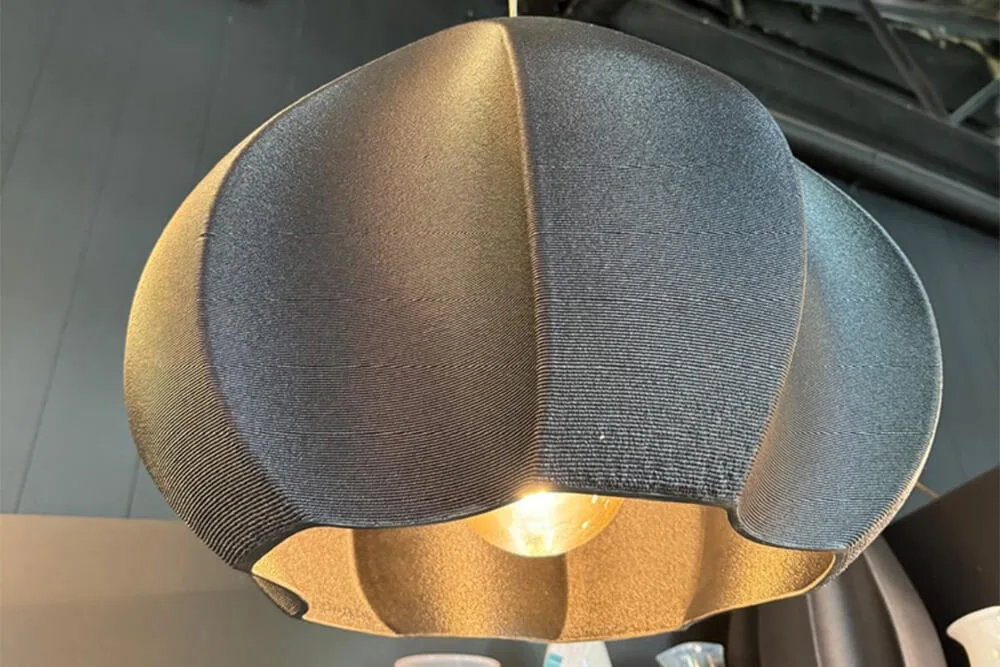
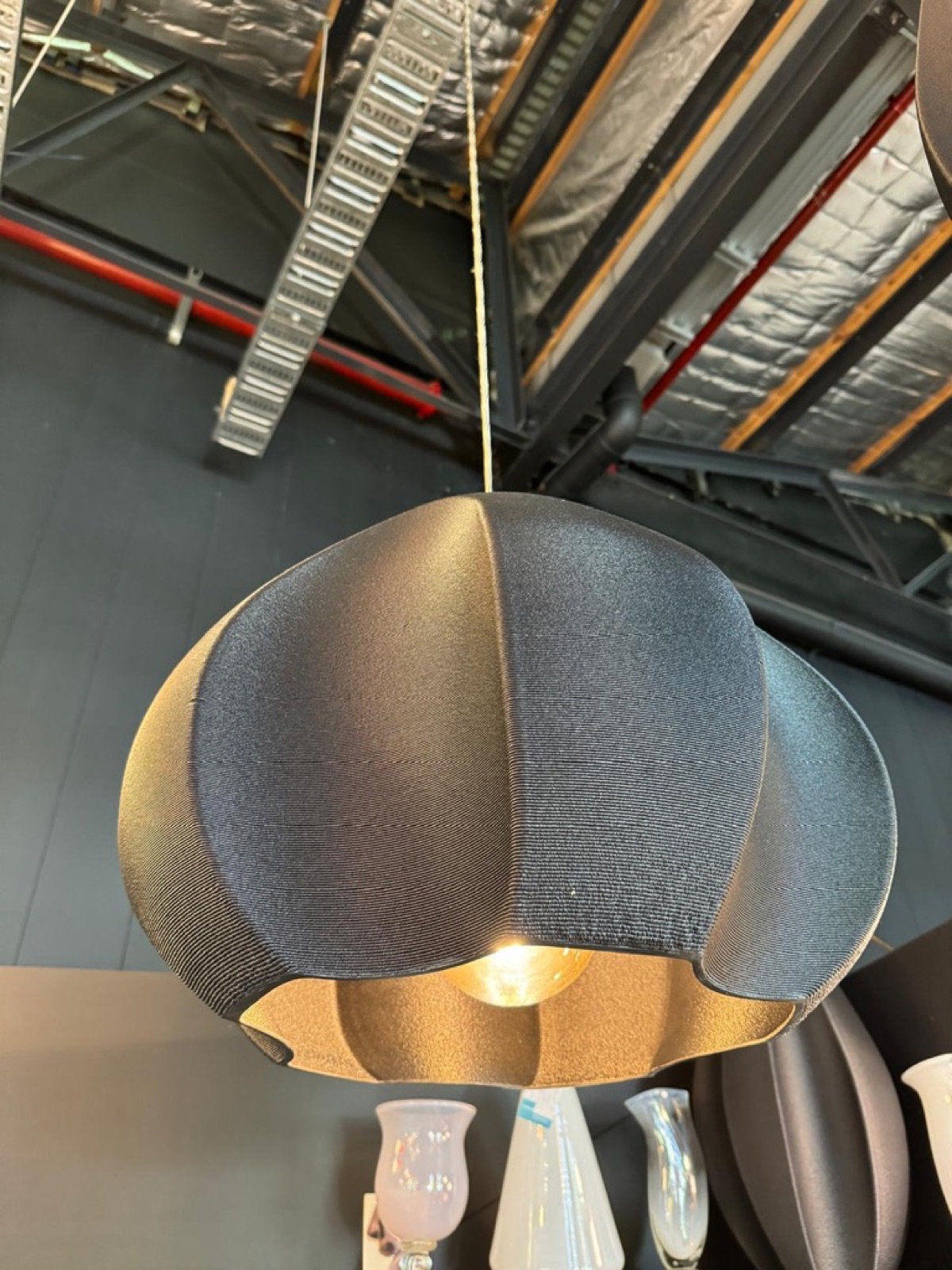 Interiors, joinery & lightingSculptural pendant shades, feature forms and decorative elements that would be slow or impossible to shape by hand — printed as one flowing form.
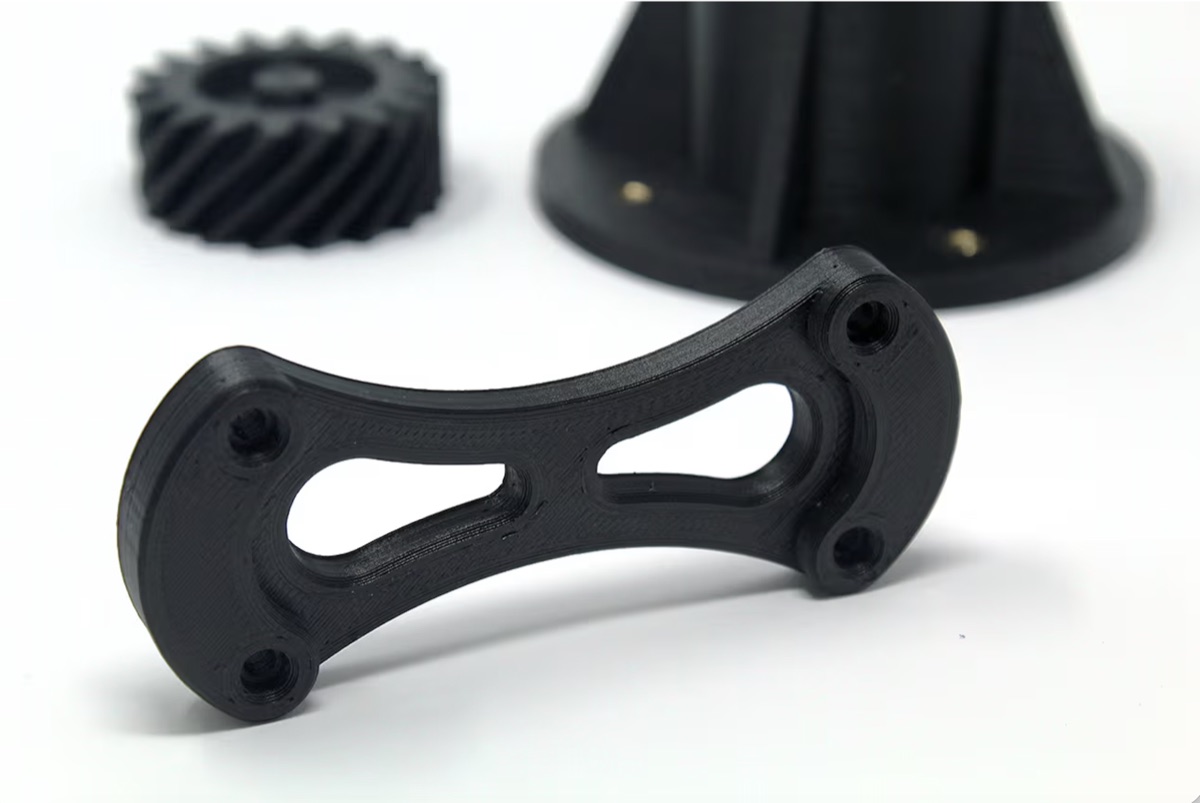 Engineering & product developmentBrackets, gears, mounts, jigs and fixtures for prototyping and light-duty use — functional polymer parts with fixing holes where needed.
Quoting, batches and repeat orders
To quote quickly we need the file (STL or OBJ preferred), overall dimensions, quantity, and a note on where the part will live and how it will be finished — raw, painted or UV printed. Reference images of the intended result help us quote the finishing accurately.
One-offs and repeat work are priced as different things, because they are. A first article proves the part; after that, the settings, material and finishing spec are locked and reruns are a purchase order, not a project. Procurement teams and trade clients reordering the same component get the same part every time, without re-explaining the job.
Printing doesn't live in isolation here. The same workshop cuts metal, acrylic, timber and board, welds, and spray paints — so a printed form can arrive mounted to a laser-cut backing plate, fitted with acrylic diffusers, or colour-matched to a whole fitout package on a single quote and delivery.
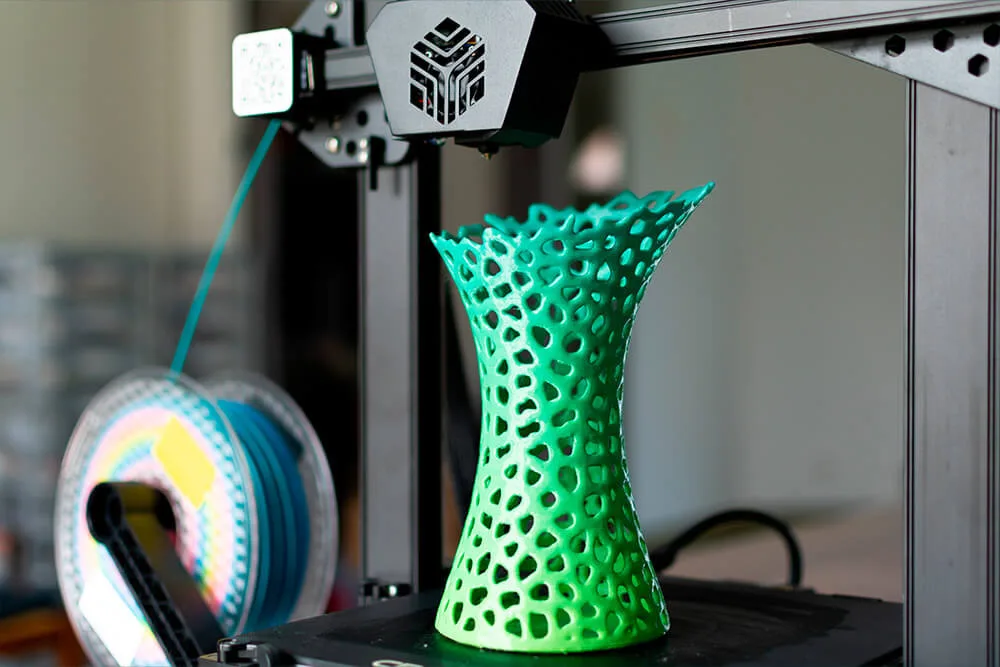
Recent work from the workshop
Common questions
How big can a printed piece be?
A single build runs to 800 × 800 × 500mm. Larger pieces are printed in sections and joined during finishing — join lines are filled and sanded before paint — so finished elements can be substantially bigger.
Do you print metal, or medical and certified parts?
No. We run polymer FDM/FFF printing for visually led commercial work — signage, display, interiors, props, housings and light-duty functional parts. Metal printing and certified medical or engineering components are outside our scope.
Can printed parts be painted to a brand colour?
Yes — parts are sanded, primed and 2-pack spray painted in-house, colour-matched to your specification with UV-stable coatings for display use. Suitable surfaces can also be UV printed with graphics direct to the part.
What files do you need?
A print-ready STL or OBJ, with overall dimensions and quantities. No 3D file yet? Send drawings, photographs or sketches and we will model the part in-house, with modelling time quoted openly before work starts.
Will I see layer lines on the finished part?
On a raw print, yes — layering is inherent to the process, and on some display work it reads as a deliberate texture. Where a smooth finish is specified, parts are filled, sanded and primed before painting, and the layer texture disappears.
Are printed parts suitable outdoors?
Often, with the right material and coating. Exterior work is assessed case by case — tell us where the part will live and we will confirm suitability, or recommend an alternative, before quoting.
Can you handle repeat and batch orders?
Yes. Once a first article is approved, the material, settings and finishing spec are locked, and multiple machines run copies in parallel. Reordering becomes a purchase order rather than a new project — standard for our trade and procurement clients.
Do you only print, or handle the whole job?
The whole job — modelling, printing, section joining, finishing and painting, plus integration with laser-cut and fabricated components from the same workshop, delivered Australia-wide or collected from Botany.
How fast can you turn a job around?
It depends on part size, quantity and finishing, so lead time is quoted per job rather than as a blanket promise. Multiple machines give us real flexibility on tight commercial deadlines — tell us your deadline and we will give you a straight answer.