
In-house production
Fiber Laser Cutting
Precision sheet-metal cutting for signage and fabrication — stainless, mild steel, aluminium, Corten, brass and copper cut with crisp edges and close nesting on a 3000 × 1500mm bed, then folded, welded and finished in the same workshop.
Request a quote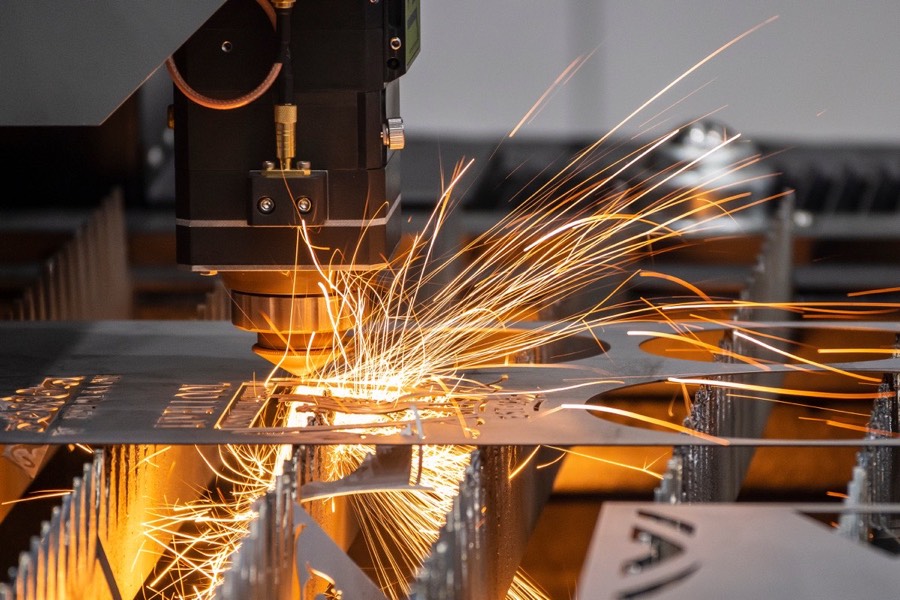
Metal cutting made for finished work, not just blanks
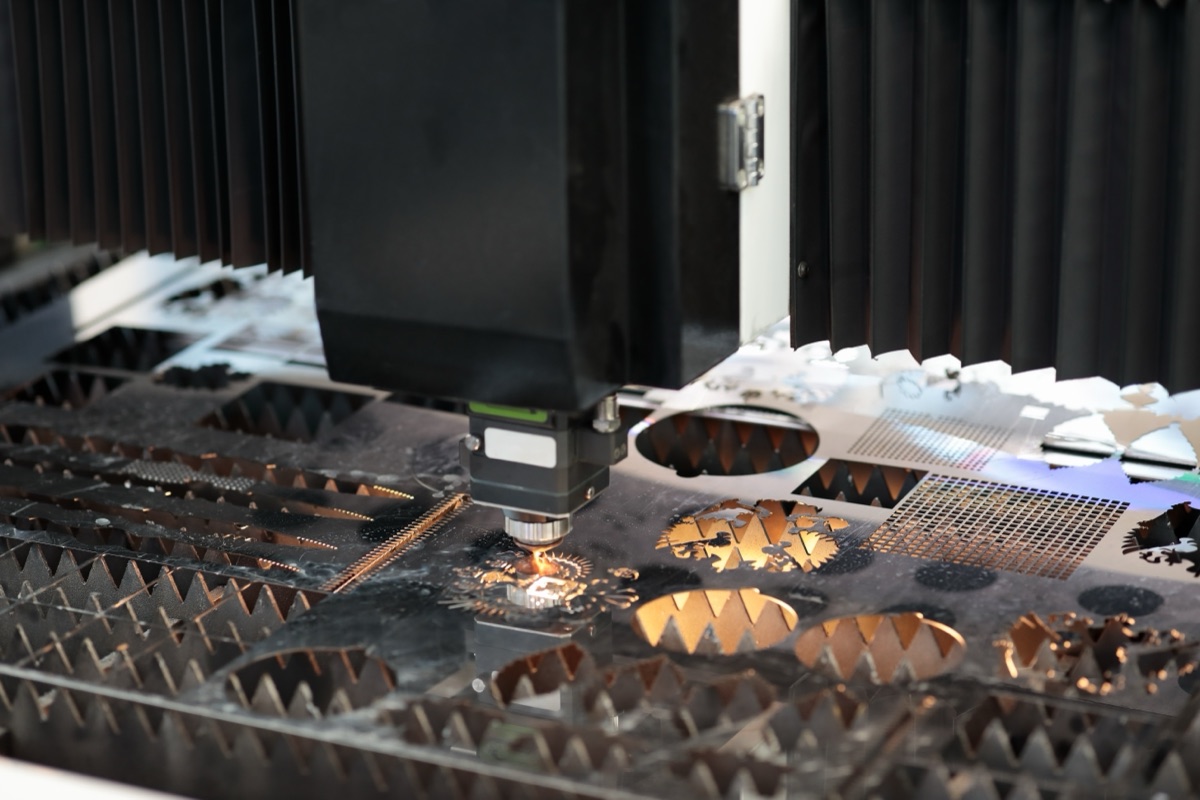
A fiber laser cuts sheet metal with a fine, focused beam. Edges come off the bed crisp and consistent, small features hold their shape, and parts nest closely so a sheet goes further — on a one-off sign face and a repeat production run alike.
That mix is deliberate. Half of what crosses this machine is signage — letters, logos, panels, plate — and the other half never hangs on a wall: brackets and chassis blanks for engineering workshops, screens for shopfitters and joiners, template profiles for industrial clients, and batch components ordered against a purchase order by procurement teams who value repeatability over appearance. Both kinds of buyer get the same file checks, nesting discipline and edge quality.
Our working ranges for reliable production cutting: mild steel to 6mm, stainless steel to 5mm, aluminium to 6mm, Corten to 2mm, brass to 2mm, copper to 1.5mm and Colorbond flat sheet at 0.6mm. Thicker sections, unusual grades or coated stock are assessed case by case — where there is any doubt, we confirm by sample testing before quoting rather than promising a result we have not proven.
The bed takes sheets to 3000 × 1500mm. Larger pieces are designed in sections with sensible join positions and brought back together by our fabrication team, so a full-height screen or oversized letter set is not limited by the sheet.
Because cutting shares one workshop with folding, laser welding, laser marking and 2-pack painting, a cut file becomes a finished letter set, folded enclosure, marked plate or painted panel without leaving the building — one supplier responsible for the whole part.
What comes off the fiber laser
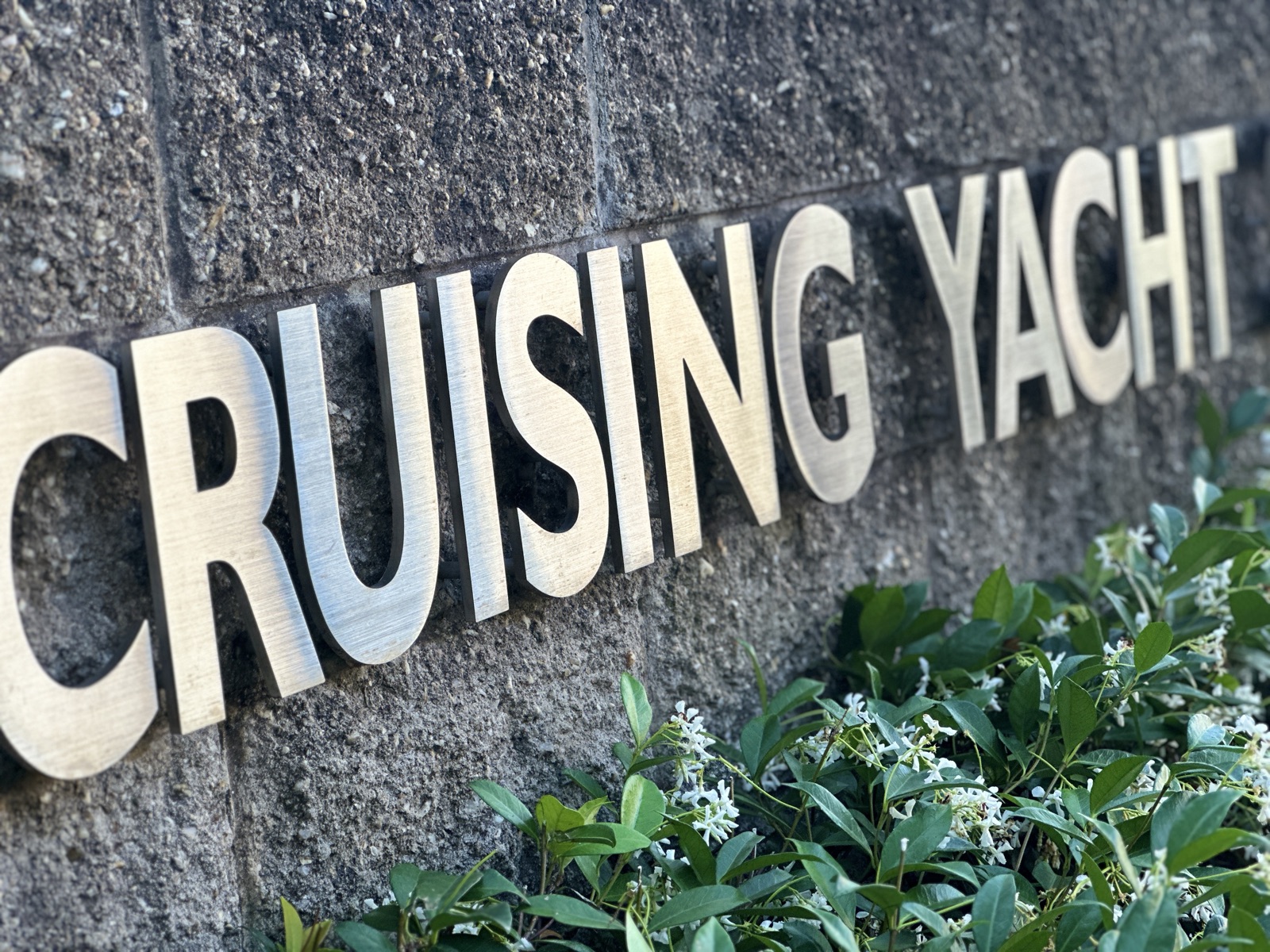
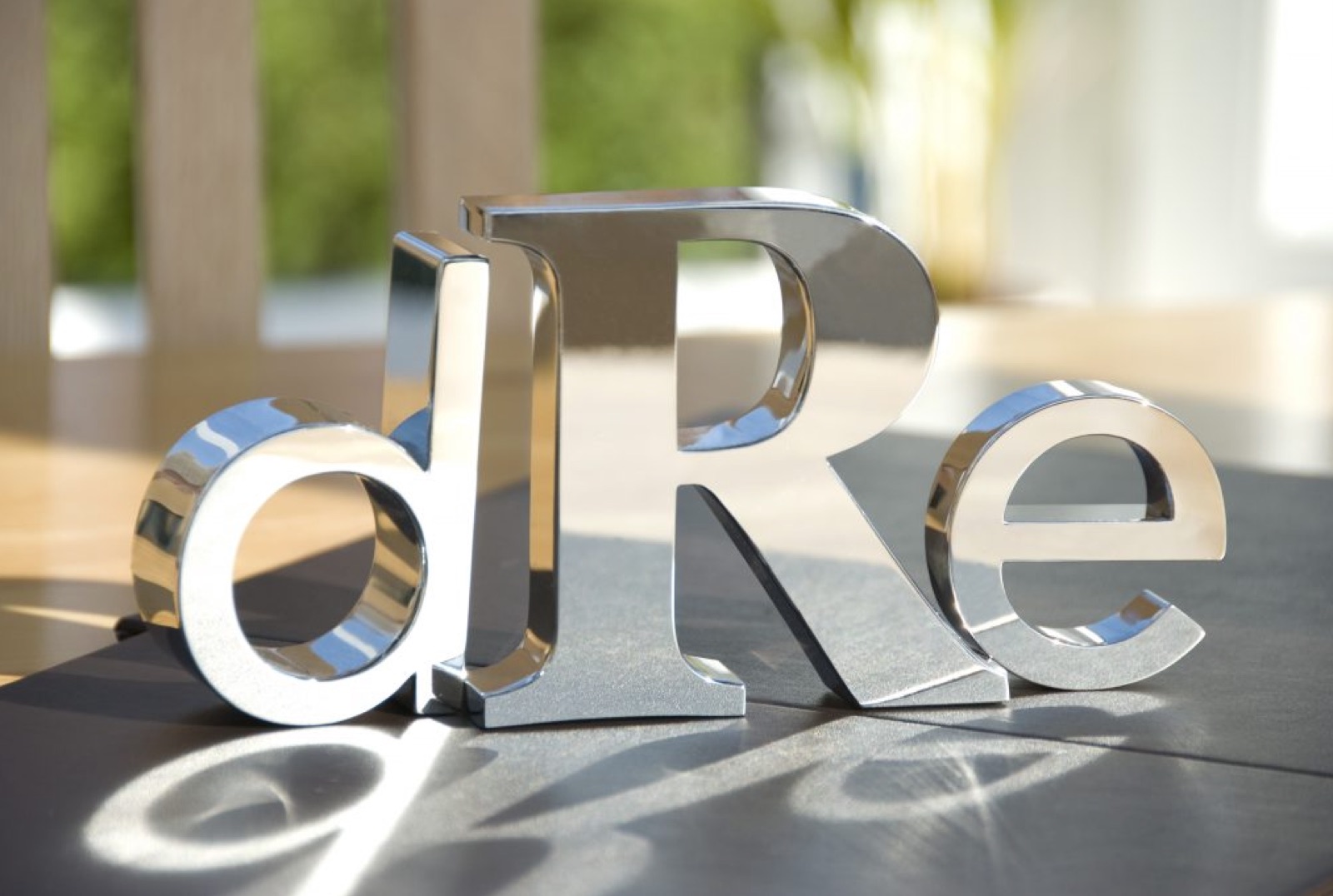
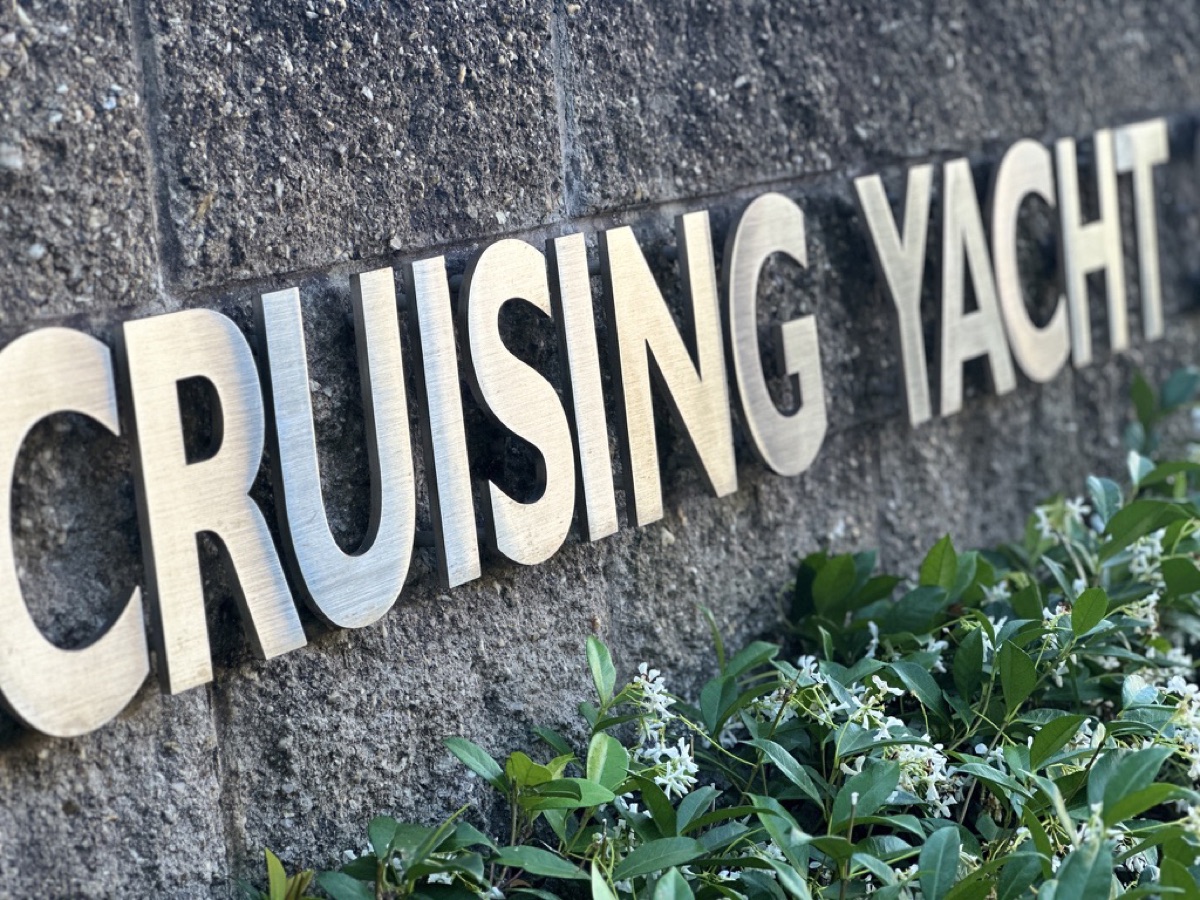 Cut metal letters & logosFlat-cut lettering and brand marks in stainless, aluminium and mild steel, ready to mount or to pass on to your installer.
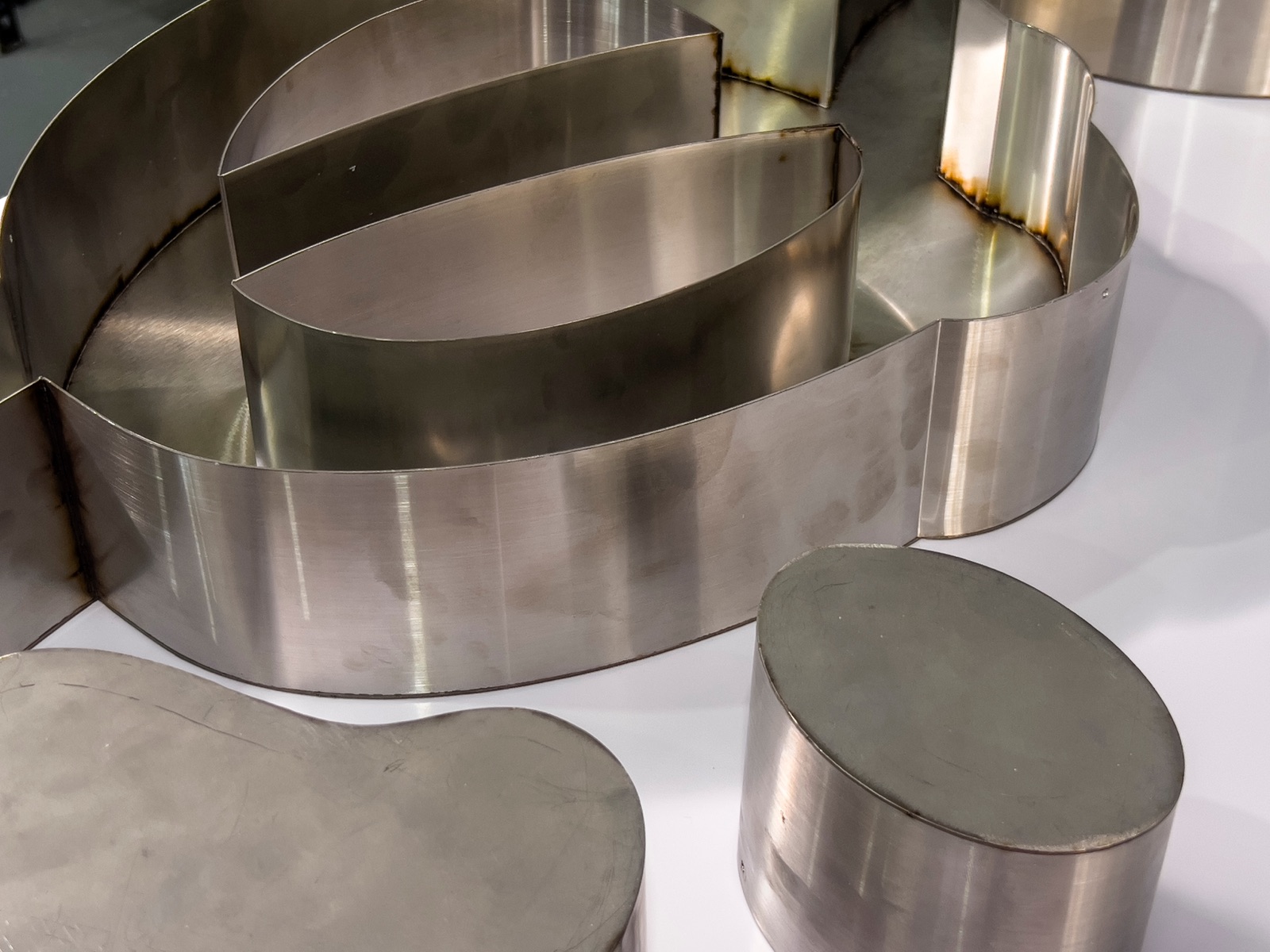 Fabricated letter componentsFaces and returns cut ready for welding into built-up 3D letters in the same workshop.
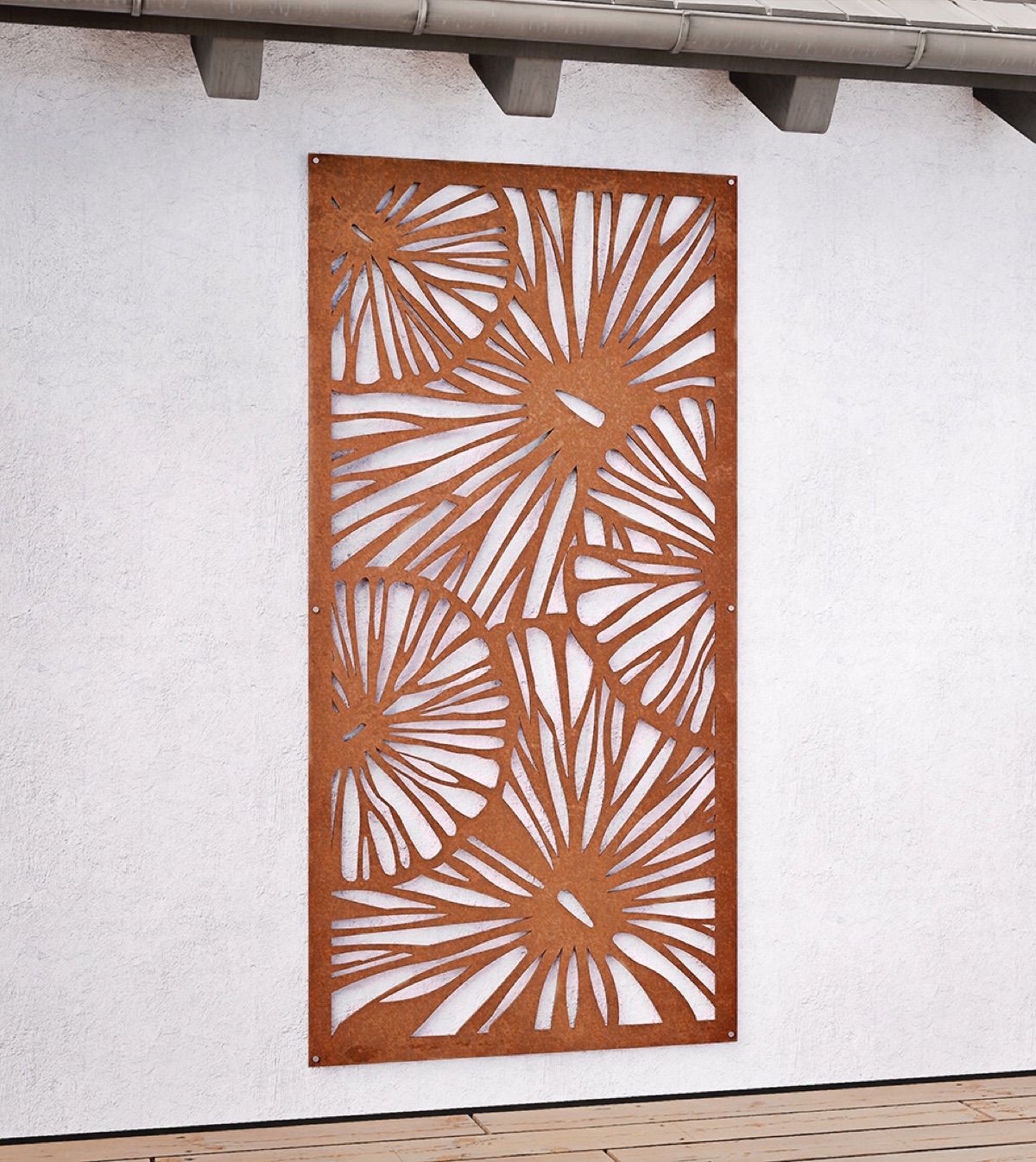 Corten featuresWeathering-steel screens, signs and garden features with clean profiles that rust down evenly.
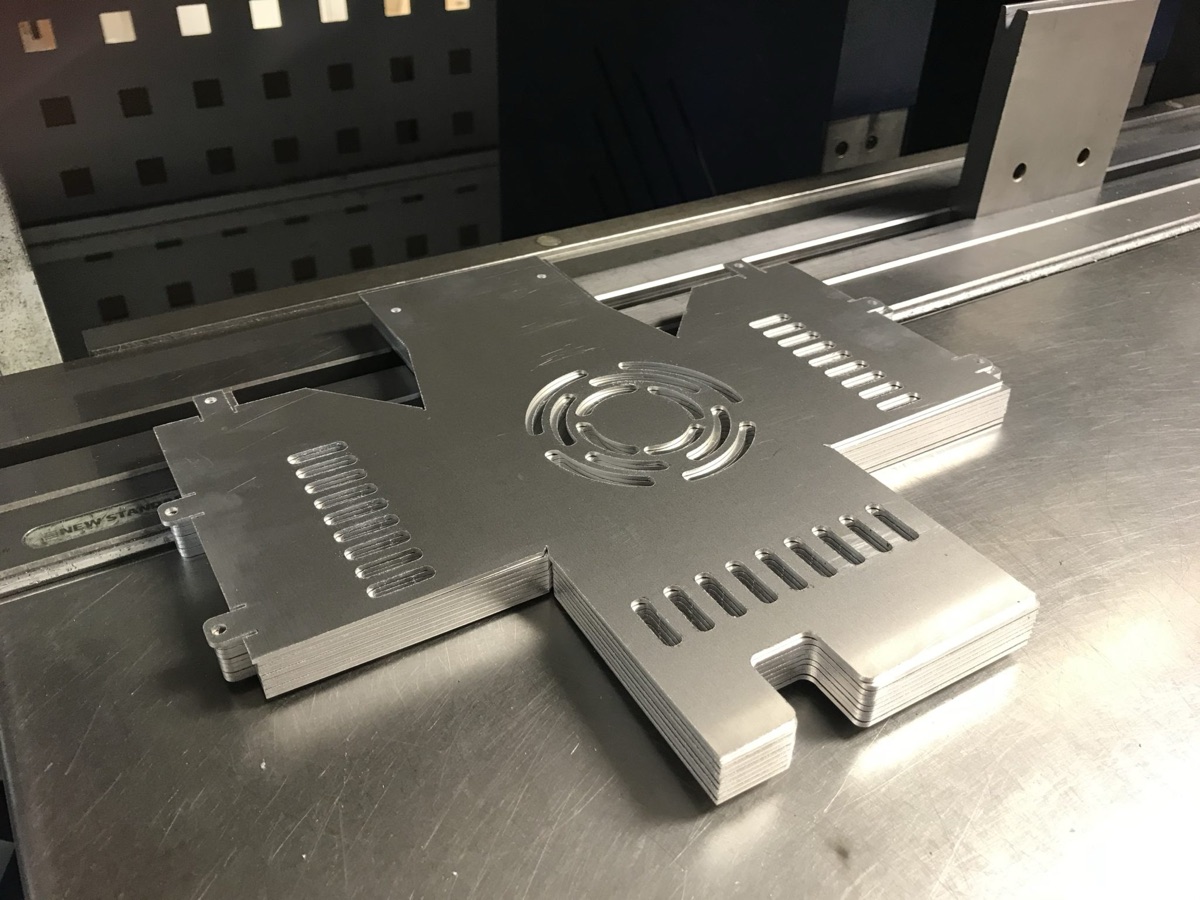 Panels, plates & tagsSign panels, backing plates, equipment plates and tags cut to size with mounting holes already in.
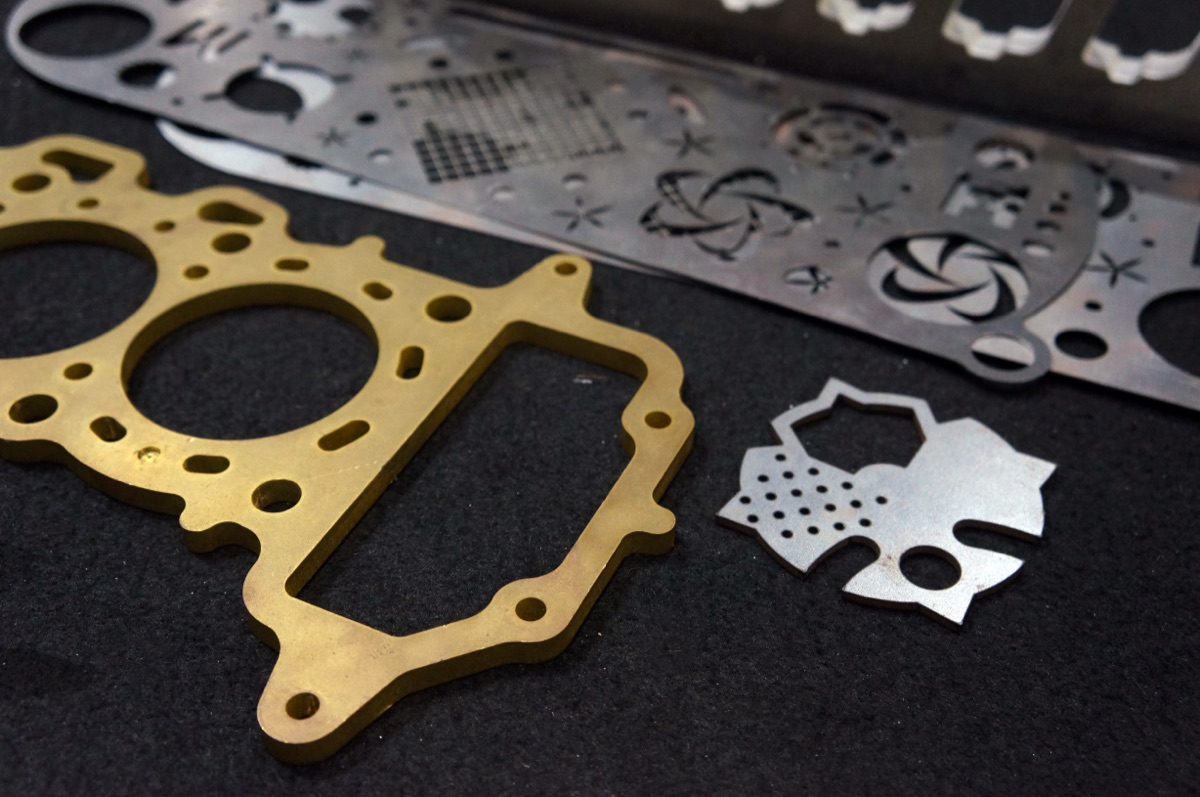 Brackets & fixingsCustom brackets, cleats and mounting hardware cut to drawing for fabricators and trades.
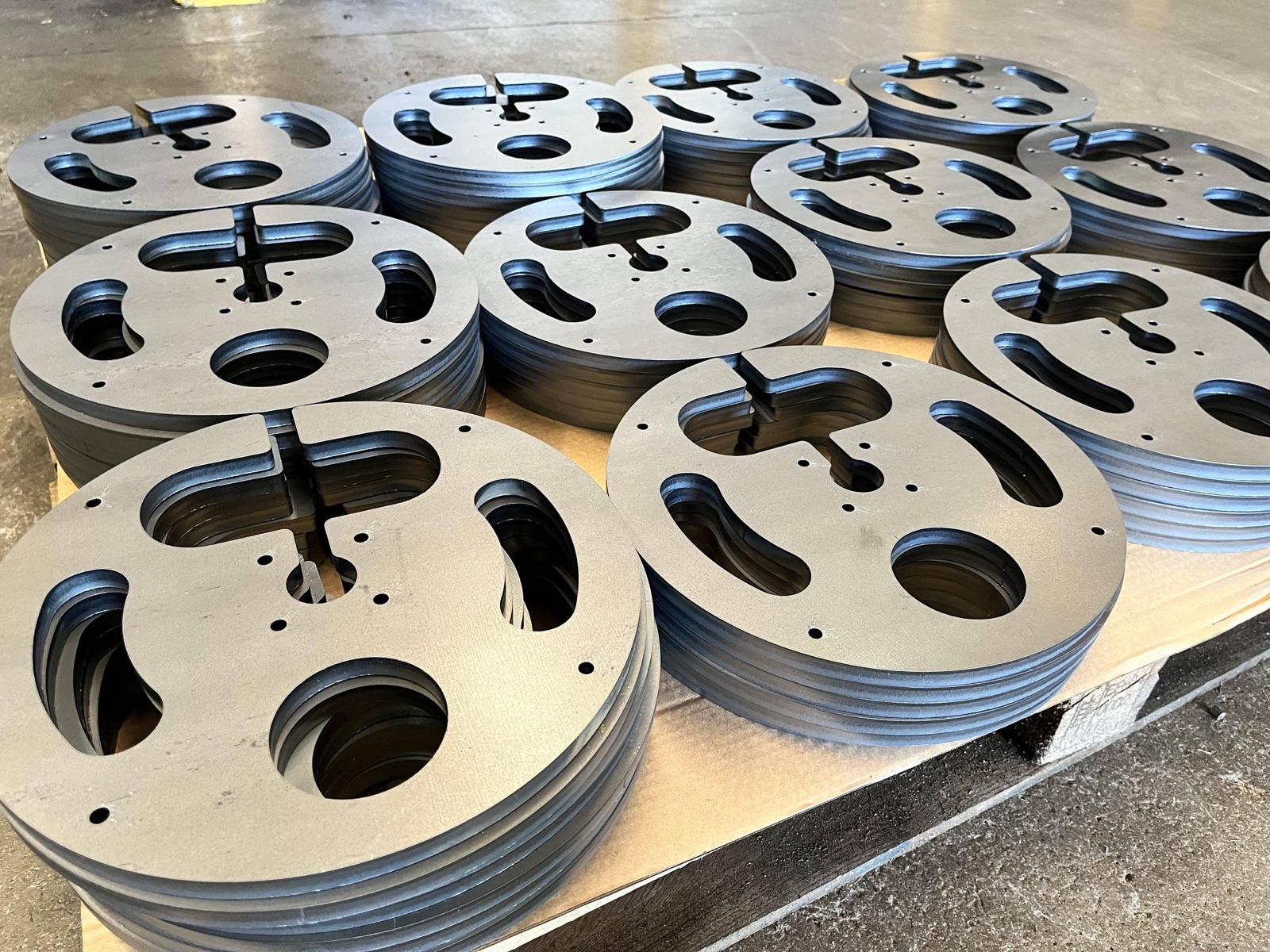
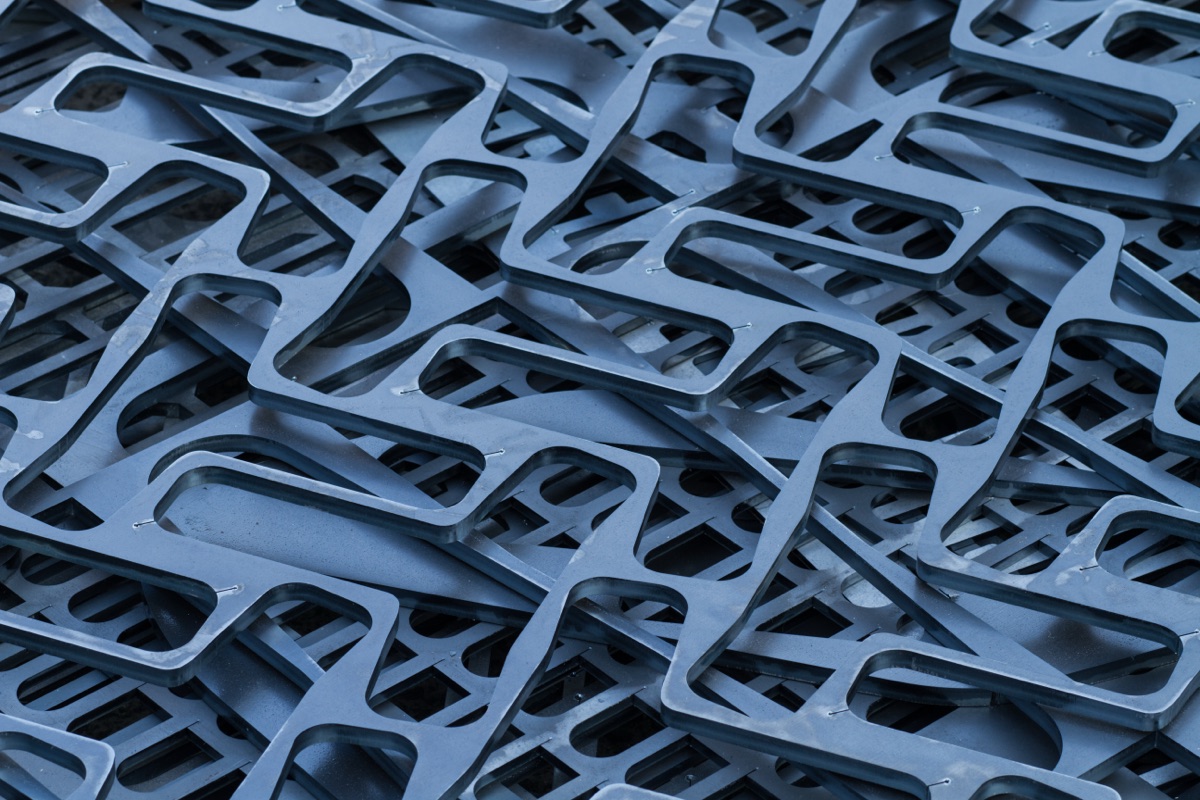 Batch & production partsRepeat components nested for material efficiency and cut to the same file every order.
Materials and thicknesses we cut
These are the ranges we cut day in, day out at production quality — not theoretical machine maximums. If your specification sits outside them, send it anyway: it is assessed case by case, and anything borderline is confirmed on a sample offcut before we commit to a price.
Material choice is usually driven by where the part lives. Stainless suits coastal and high-touch locations, mild steel keeps cost down where parts are painted anyway, aluminium saves weight on large panels, and Corten is chosen precisely because it weathers. Undecided? Tell us the environment and the finish you want and we will recommend the practical option.
How a fiber laser job runs
Every job starts with a file check. We open your vectors, confirm the geometry is closed and to scale, flag features too fine for the chosen thickness, and query anything ambiguous — it is cheaper to fix a drawing than a cut sheet.
Parts are then nested across the sheet. Good nesting is invisible in the finished part but very visible in the price: the tighter the layout, the less material you pay for, which is where batch quantities earn their keep.
Cutting itself is quick relative to everything around it. The beam follows the programmed path, pierces sit away from visible edges where the design allows, and parts come off the bed needing minimal cleanup. Where a job goes on to folding, welding, marking or 2-pack painting, it moves straight to the next bench rather than onto a courier.
Before dispatch, parts are checked against the drawing and packed to protect faces and edges — brushed stainless and pre-painted stock keep their protective film for as long as practical. Delivery is Australia-wide, or collect from the workshop in Botany.
Industries we cut for
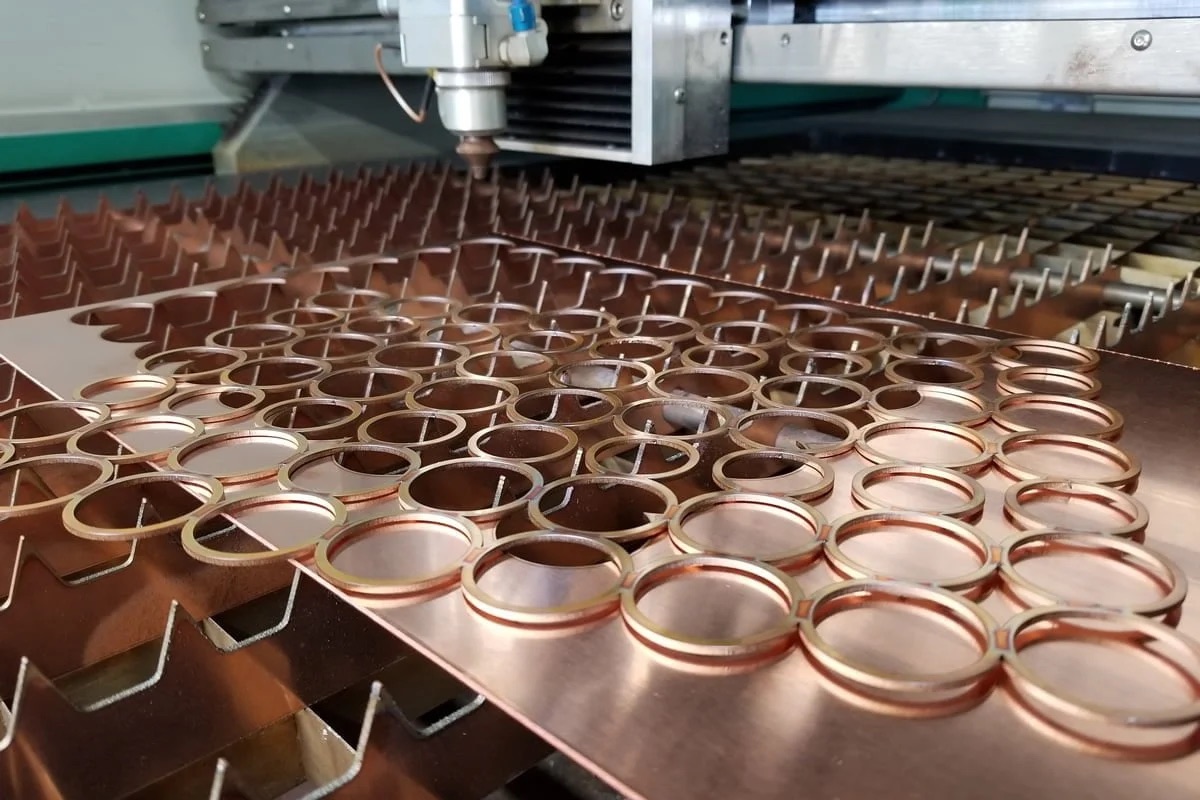
Signage is where we started, but the machine spends just as much time on parts that never carry a logo. The common thread is buyers who need cut metal right the first time — judged by a brand manager, a site foreman or a receiving inspection.
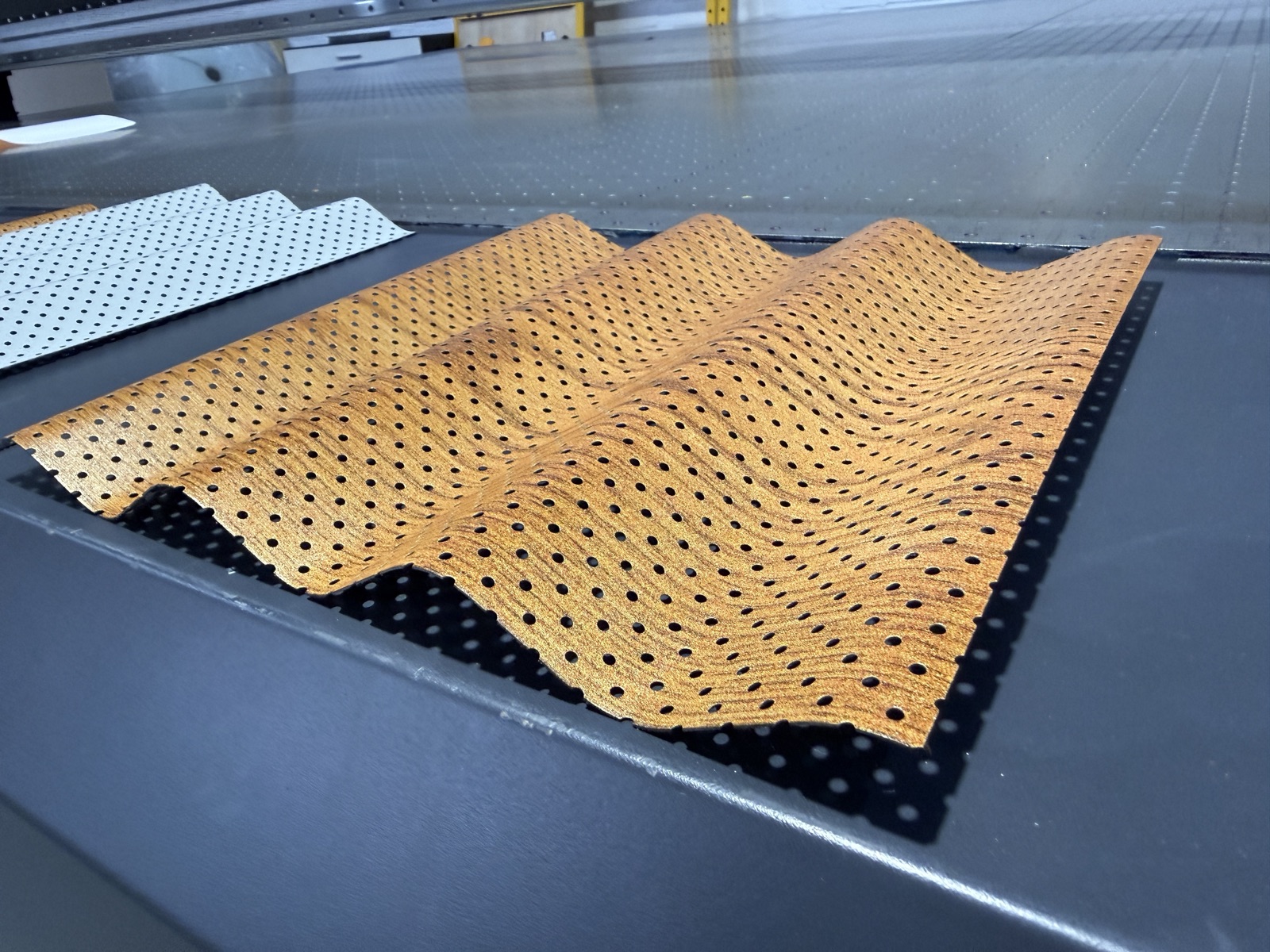
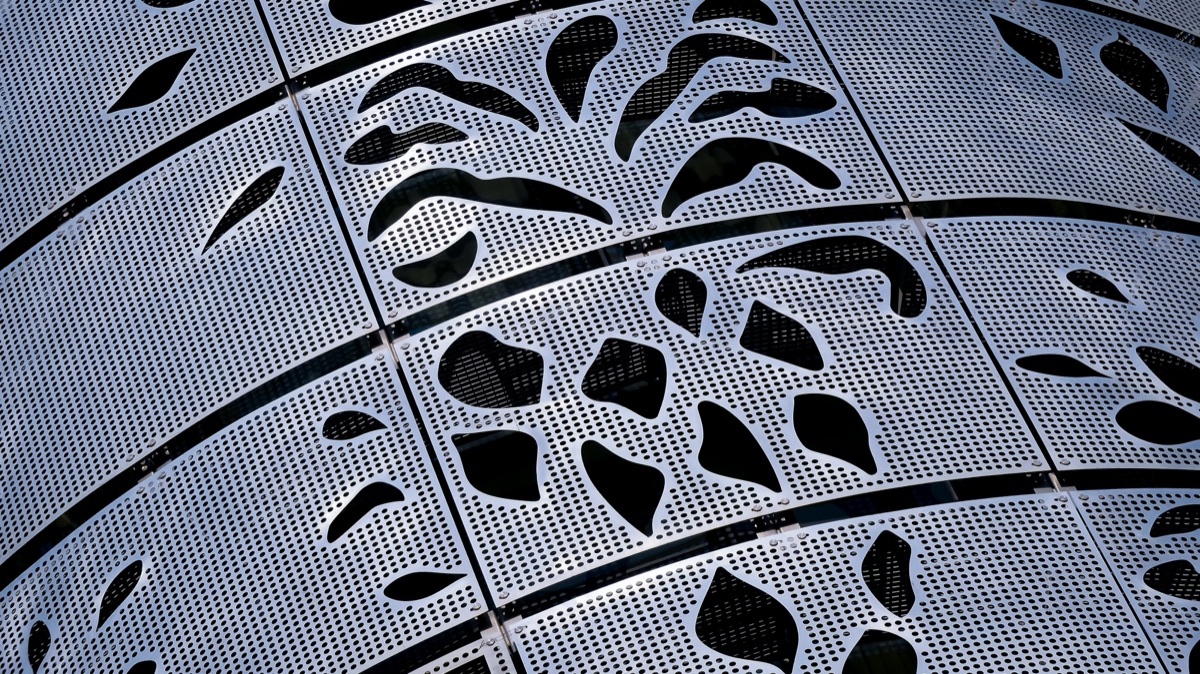 Architecture & facadesPerforated and patterned panels for building skins, balustrades and screening, cut to the architect's geometry.
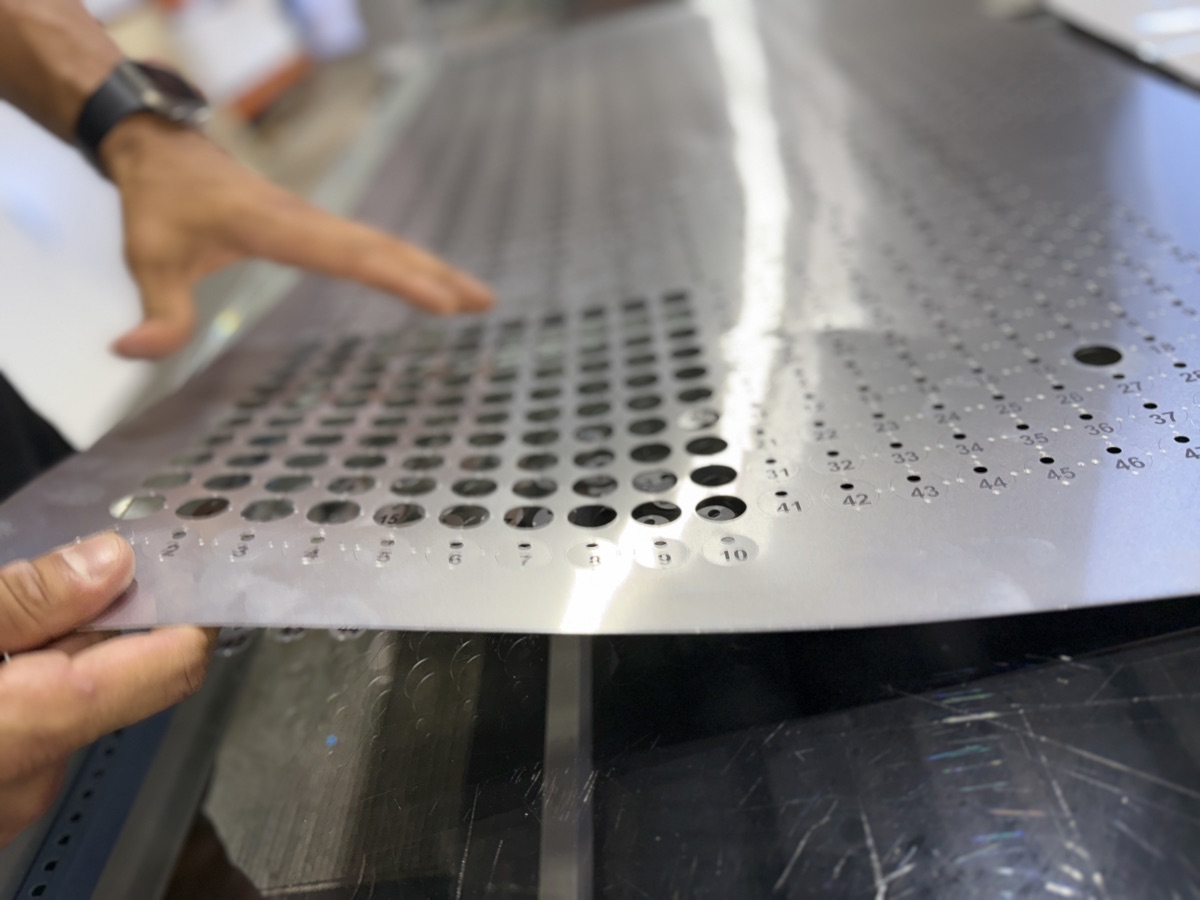 Signage & displayLetters, logos, panels and the templates and fixing aids that get them onto the wall accurately.
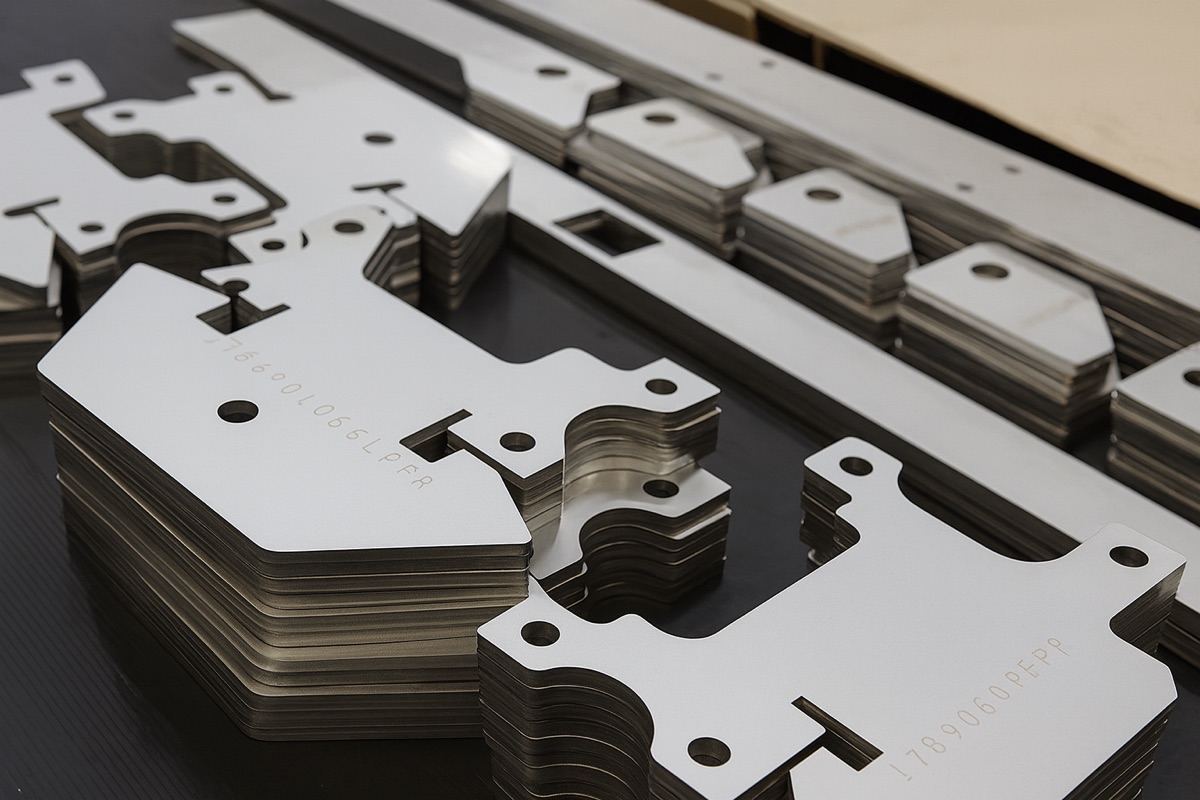 Engineering & educationSerialised bracket and plate sets cut in batches for engineering workshops, trade training and assembly programs.
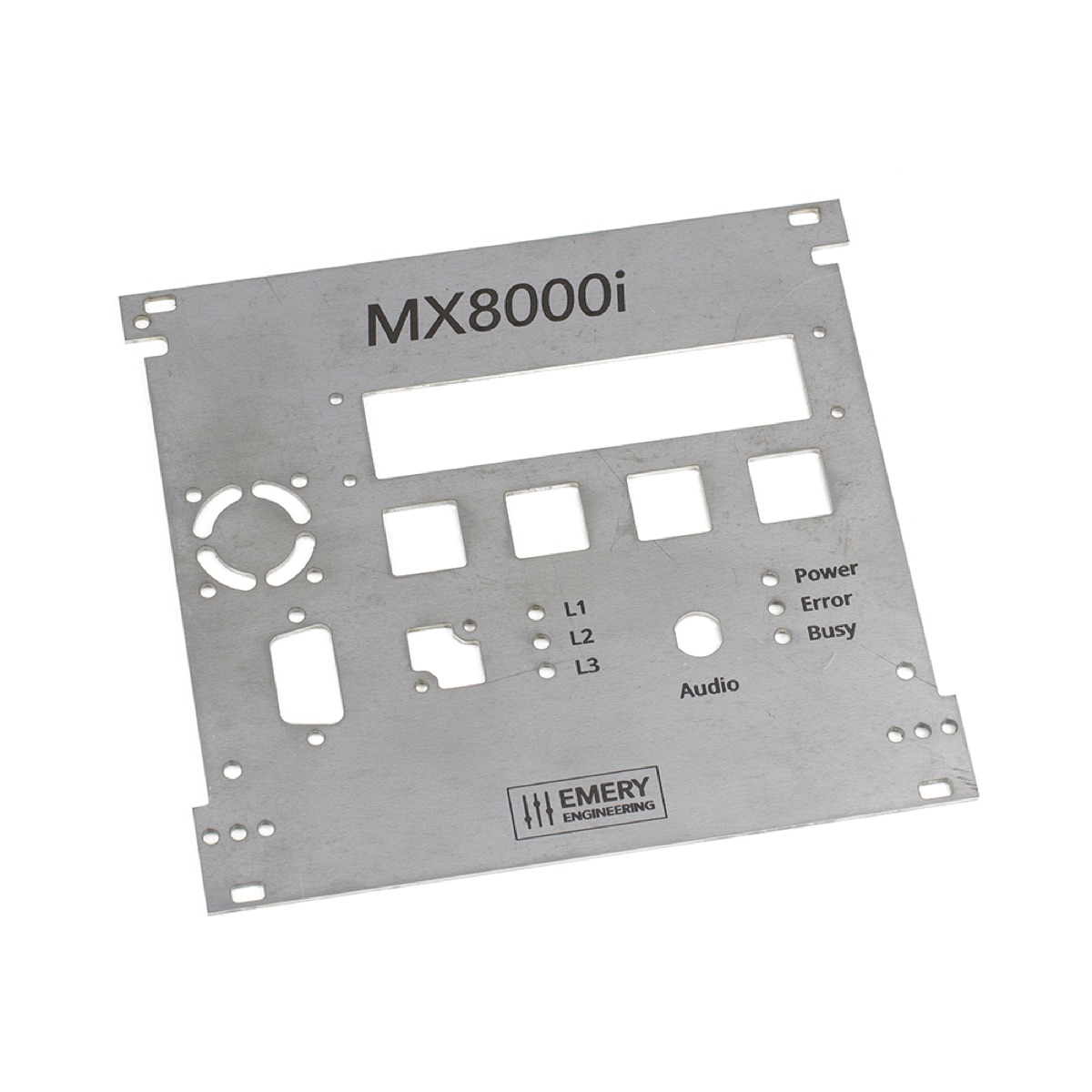 Electronics & equipmentFaceplates, enclosure blanks and control panels with apertures, vents and legends in one part.
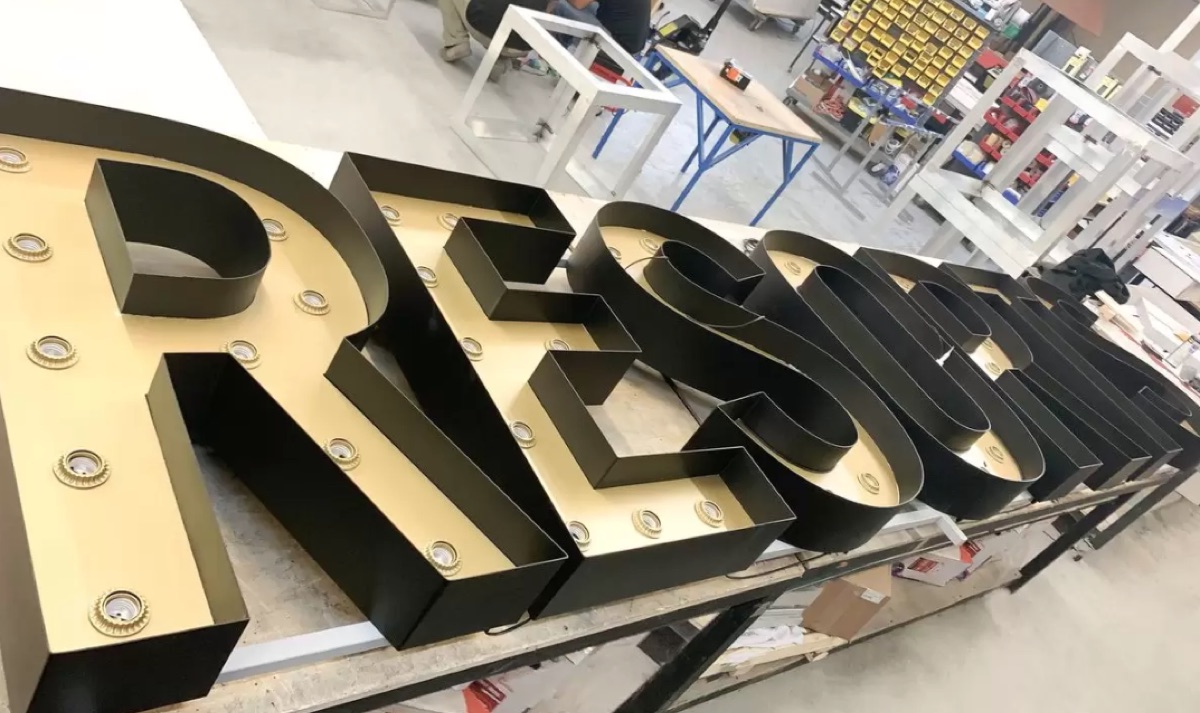 Event sets & exhibitionsOversized letters and scenic metalwork fabricated for stages, launches and exhibition stands.
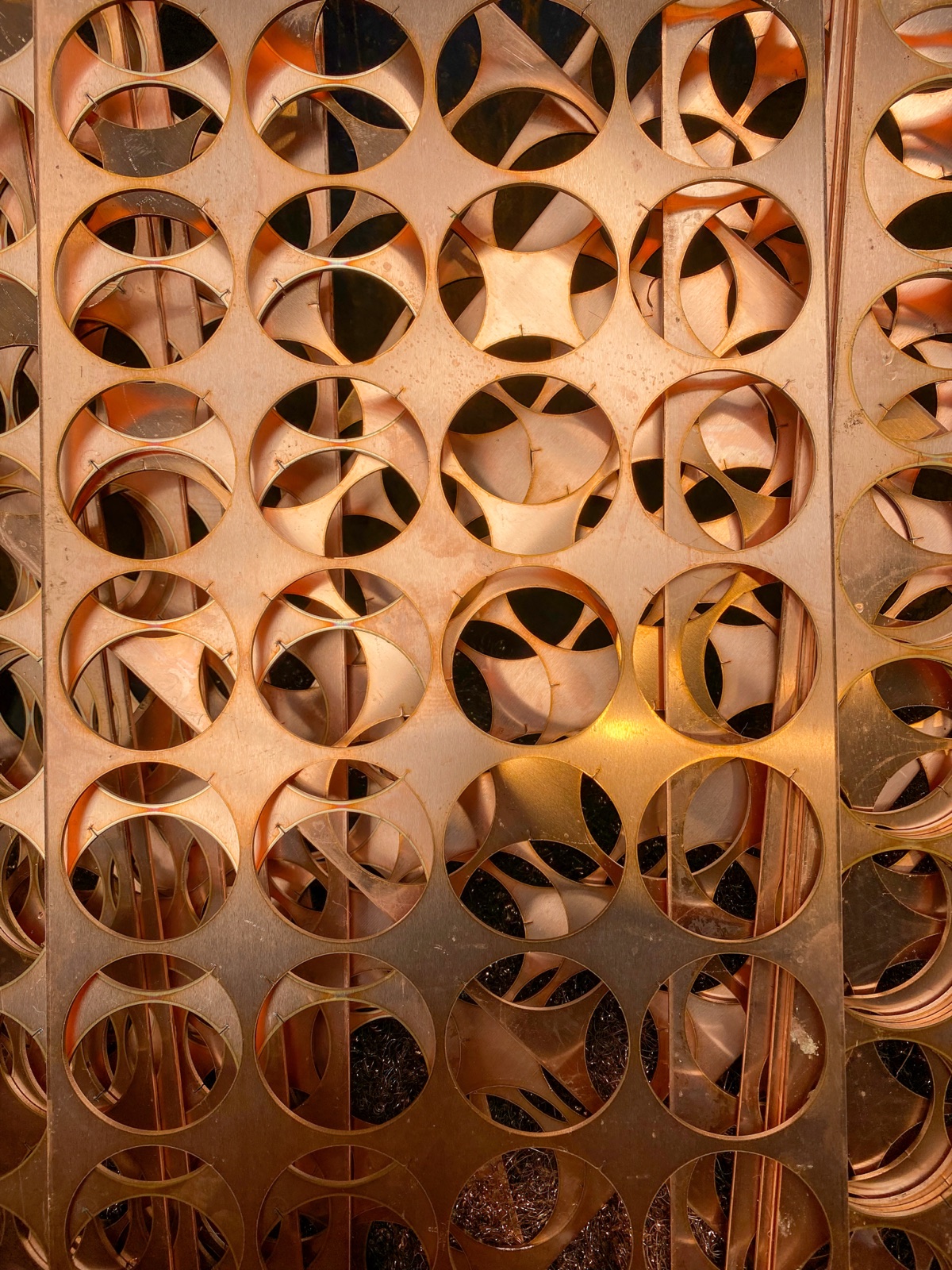 Joinery & shopfittingDecorative screens, inlays and feature metalwork supplied cut-to-size for fit-out joiners.
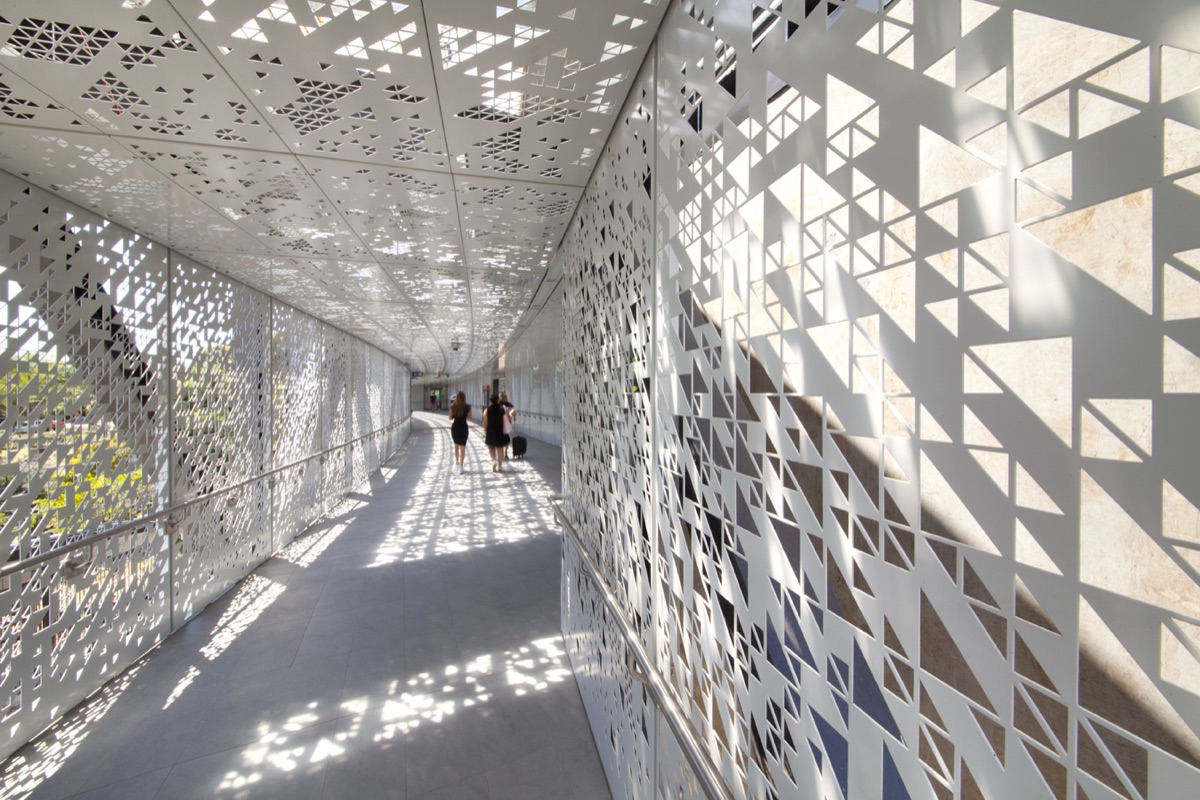 Public artwork & galleriesArtist-designed perforated and sculptural panels produced faithfully from the approved artwork.
Getting a fiber laser quote — what to send
The fastest path to an accurate price is a vector cut file — DXF, AI or PDF — drawn at 1:1 in millimetres, with material, grade, thickness and quantity in the covering note. If some dimensions are critical to fit, say which ones.
No CAD file? Clear dimensioned drawings, sketches or even a sample part can be redrawn into cut-ready vectors — the drawing time is quoted openly before any work starts, so there are no surprises on the invoice.
We cut from our own sheet stock or from approved customer-supplied material; either way the material path is agreed at quote stage. For repeat work, your proven cut files stay on record, so reorders are a purchase order and a quantity rather than a new project every time.
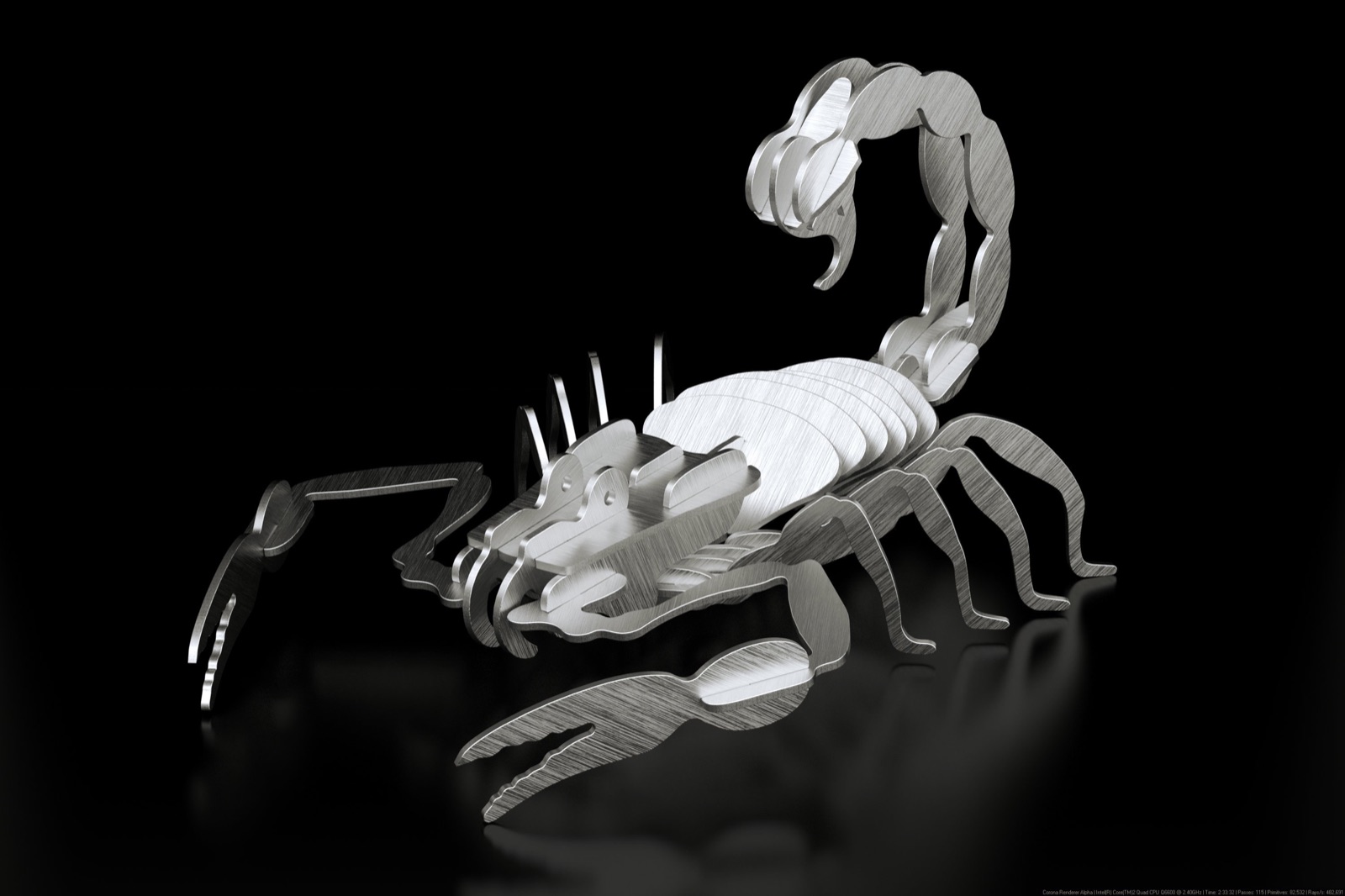
Recent work from the workshop
Common questions
Which metals and thicknesses do you cut?
Mild steel to 6mm, stainless to 5mm, aluminium to 6mm, Corten to 2mm, brass to 2mm, copper to 1.5mm and Colorbond flat sheet at 0.6mm. Outside those ranges, send the specification — we assess case by case and confirm borderline jobs by sample testing before quoting.
What sheet size can you handle?
The bed takes sheets up to 3000 × 1500mm. Larger work is designed in sections with agreed join positions and brought together by our fabrication team.
Do you cut acrylic or timber on this machine?
No — fiber laser is the metal process. Acrylic, timber and MDF run on CO₂ laser cutting, and rigid boards on the CNC router; send the job and we route each part to the right machine.
Can you fold, weld and finish the cut parts?
Yes — folding, laser welding, laser marking and 2-pack painting happen in the same workshop, so parts arrive as finished components rather than raw blanks.
What files do you need?
Vector paths (DXF, AI or PDF) drawn at 1:1 in millimetres, or dimensioned drawings we can redraw as a quoted service. Material, grade, thickness and quantity get you an accurate price fastest.
We don't have a CAD file — can you still help?
Yes. Clear drawings, sketches or a sample part can be converted into cut-ready vectors; the drawing time is quoted before any work starts.
Do you handle repeat and batch orders?
Yes — proven cut files are kept on record, so reorders run from the same file every time. Batch quantities also nest more efficiently, which shows up in the unit price.
Can you cut material we supply?
Yes — approved customer-supplied sheet is fine, or we cut from our own stock; the material path is agreed when we quote.
How accurate is the cutting for parts that have to fit?
Fine detail and hole positions hold consistently across a run; results are material and thickness dependent. Tell us which dimensions are critical to fit and we confirm anything borderline on a sample first.