In-house production
Laser Engraving & Etching for Industrial Identification
Compliance plates, nameplates, asset tags, traffolyte labels and serialised parts — text, logos and codes engraved permanently for plant, switchboards and equipment fleets. Set up for commercial volume, made in one workshop, delivered Australia-wide.
Request a quote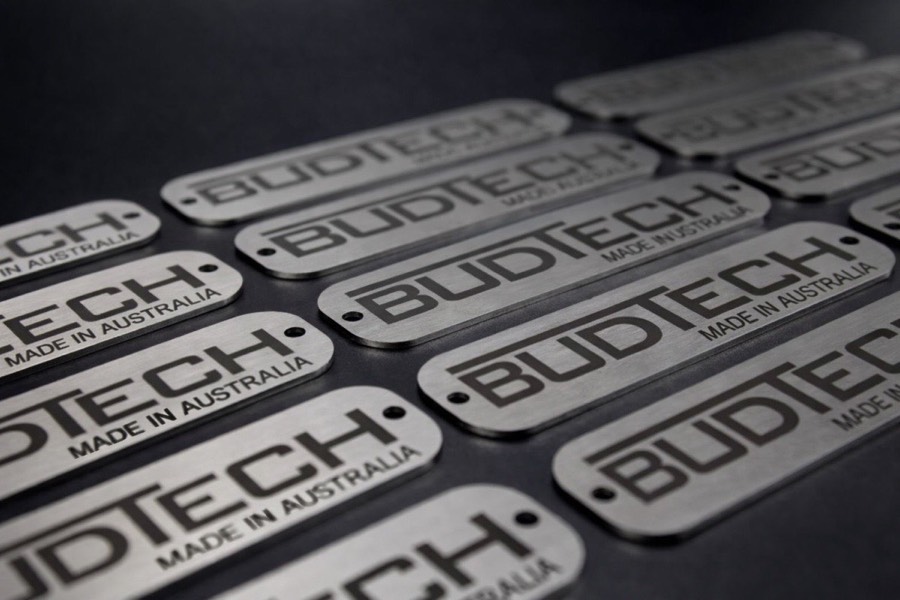
What is the difference between laser engraving, etching and marking?
The three words are used interchangeably, and most people searching for any of them want the same result: text, a logo or a code that stays readable on a part for its whole service life. Technically they describe how deep the laser works. Engraving removes material and leaves a recess you can feel with a fingernail. Etching removes a shallow layer and leaves a fine, slightly textured mark. Marking — the term equipment makers use for annealing — changes the surface colour without removing metal at all.
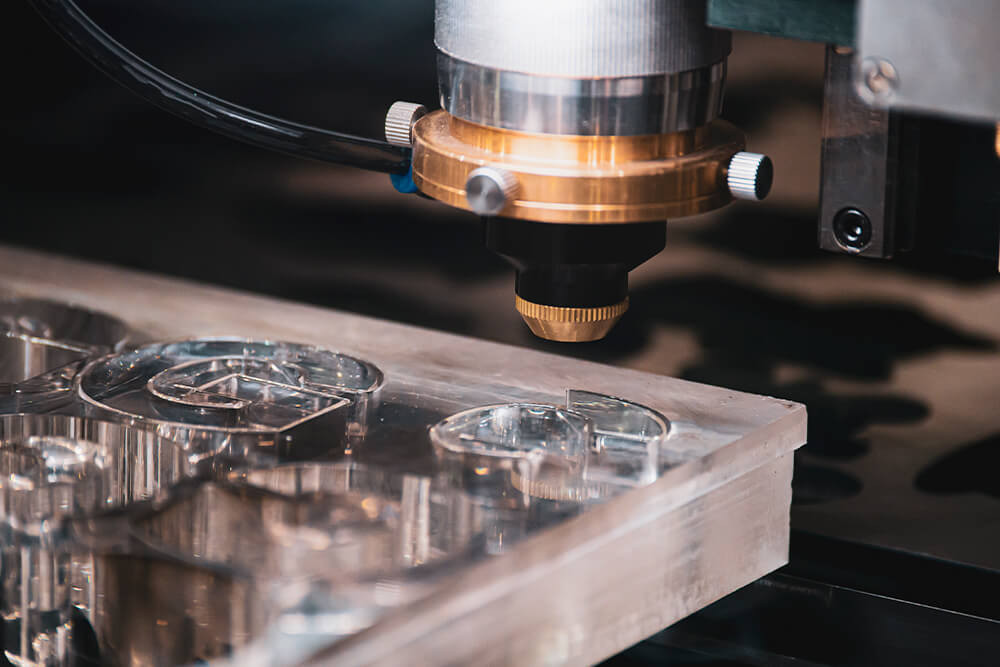
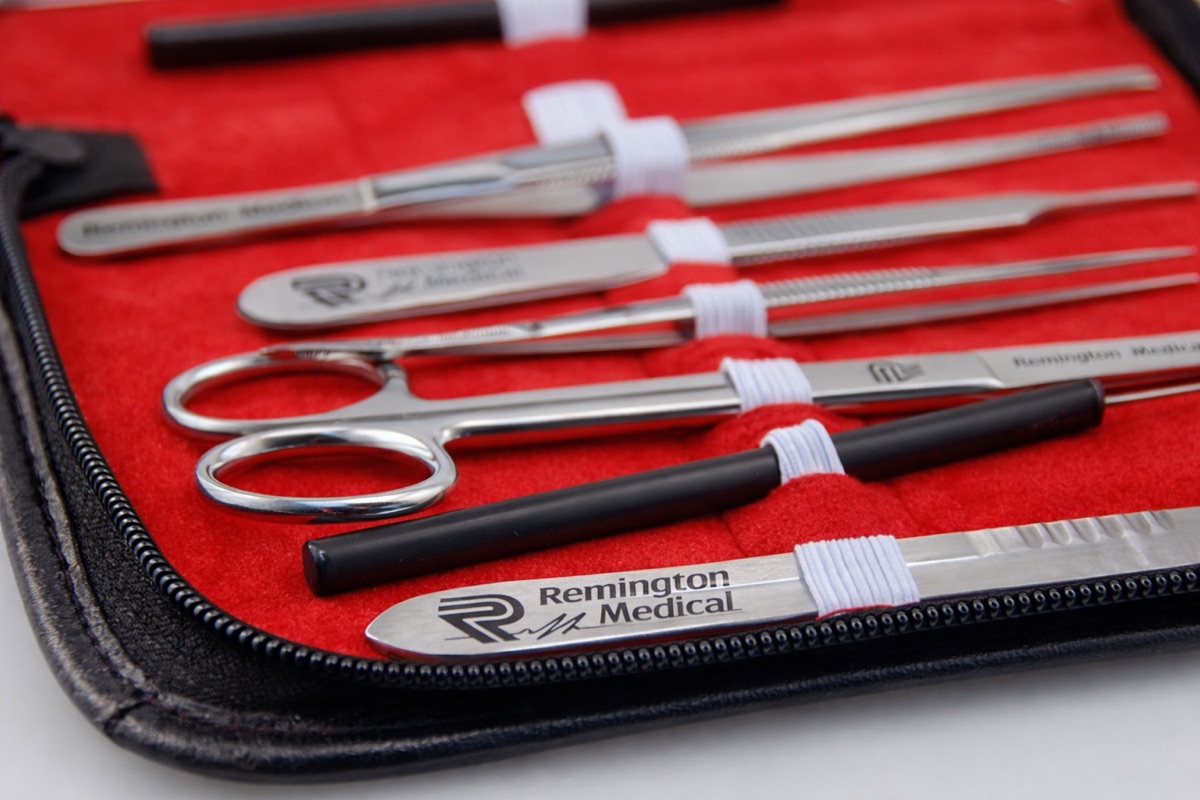
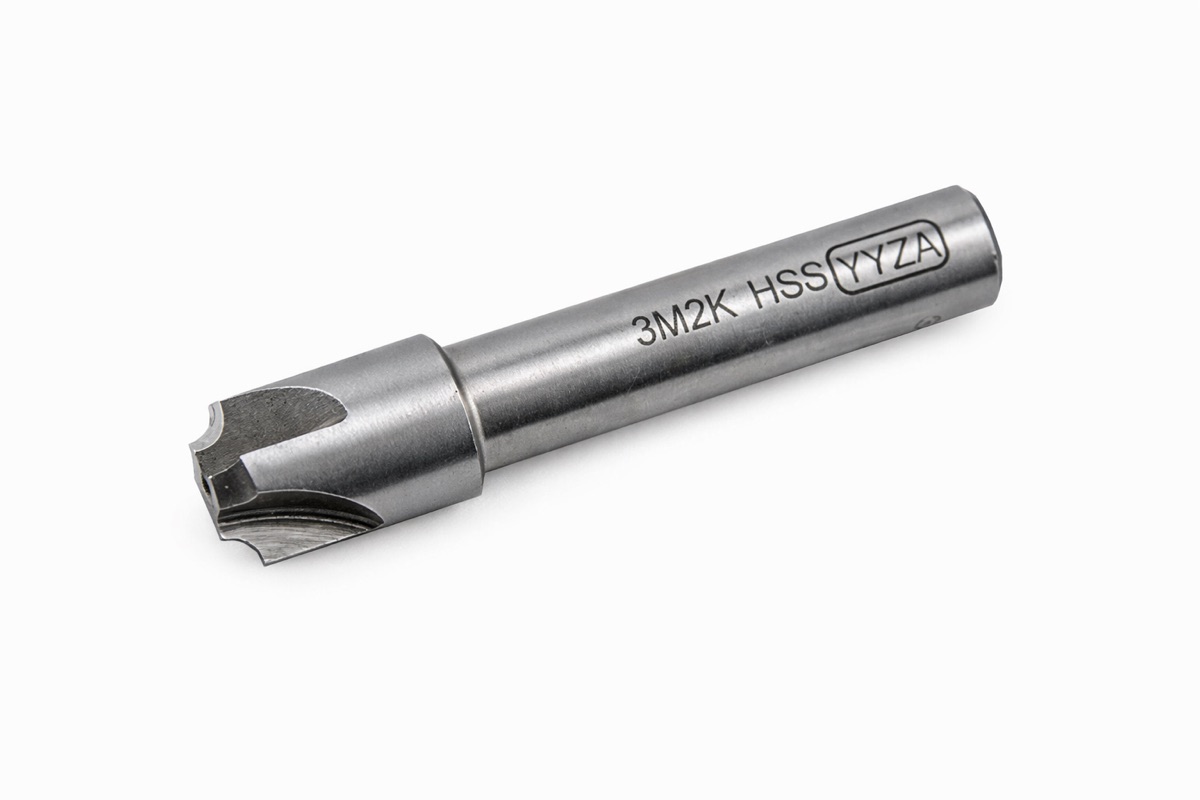
For metal we run a fibre laser system built for identification. It produces a shallow, permanent etch in the metal surface: high-contrast text, logos and codes on stainless steel, aluminium and mild steel, and through anodising and coatings. It is not a deep-relief process, and we say so rather than sell it as one. For traffolyte and engraving laminates we use a CO₂ laser, which engraves through the coloured cap layer to expose the contrasting core and cuts the label to size on the same machine.
This is a commercial service. We are set up for volume — serialised runs, fleet tagging, switchboard schedules, production batches and ongoing supply — with the fixtures, data handling and verification that scale needs. We do not do hobby or personal engraving, and a single personalised item is not our business. Plates, tags and panels are cut, engraved and delivered as one job from the same workshop that cuts, welds and fabricates.
What can we engrave for you?
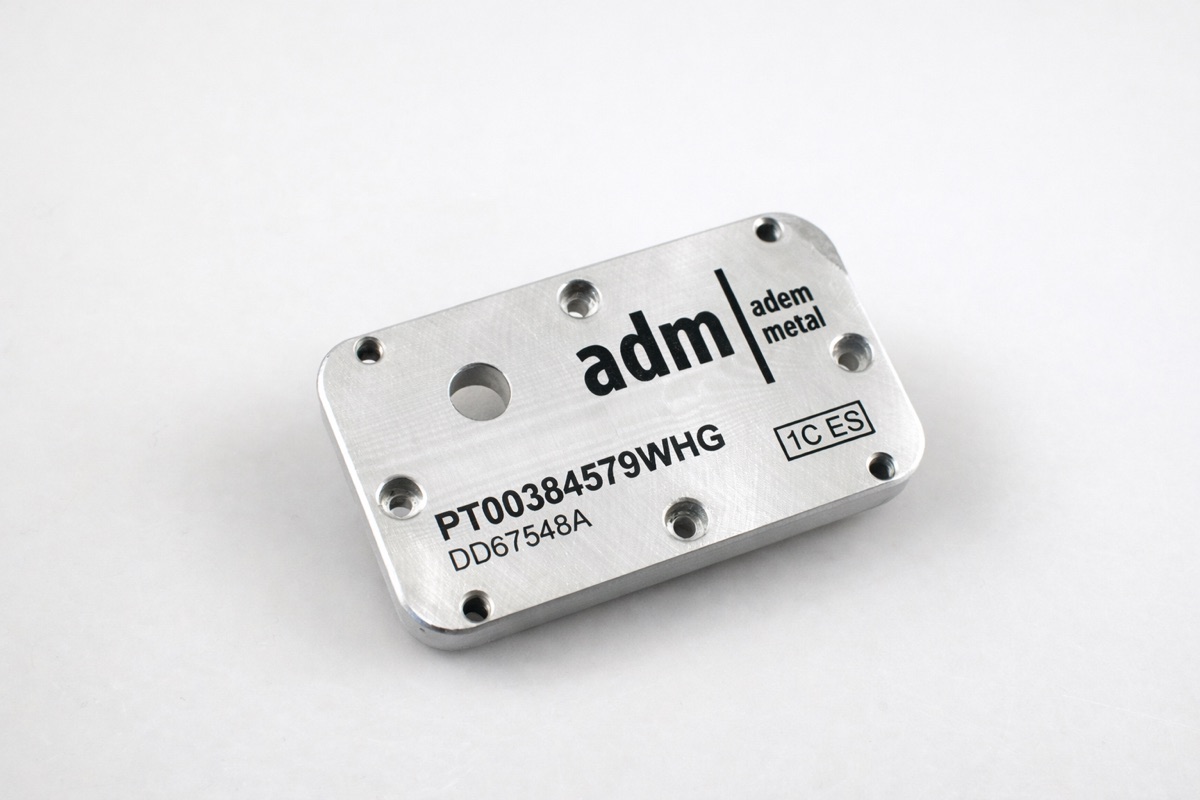
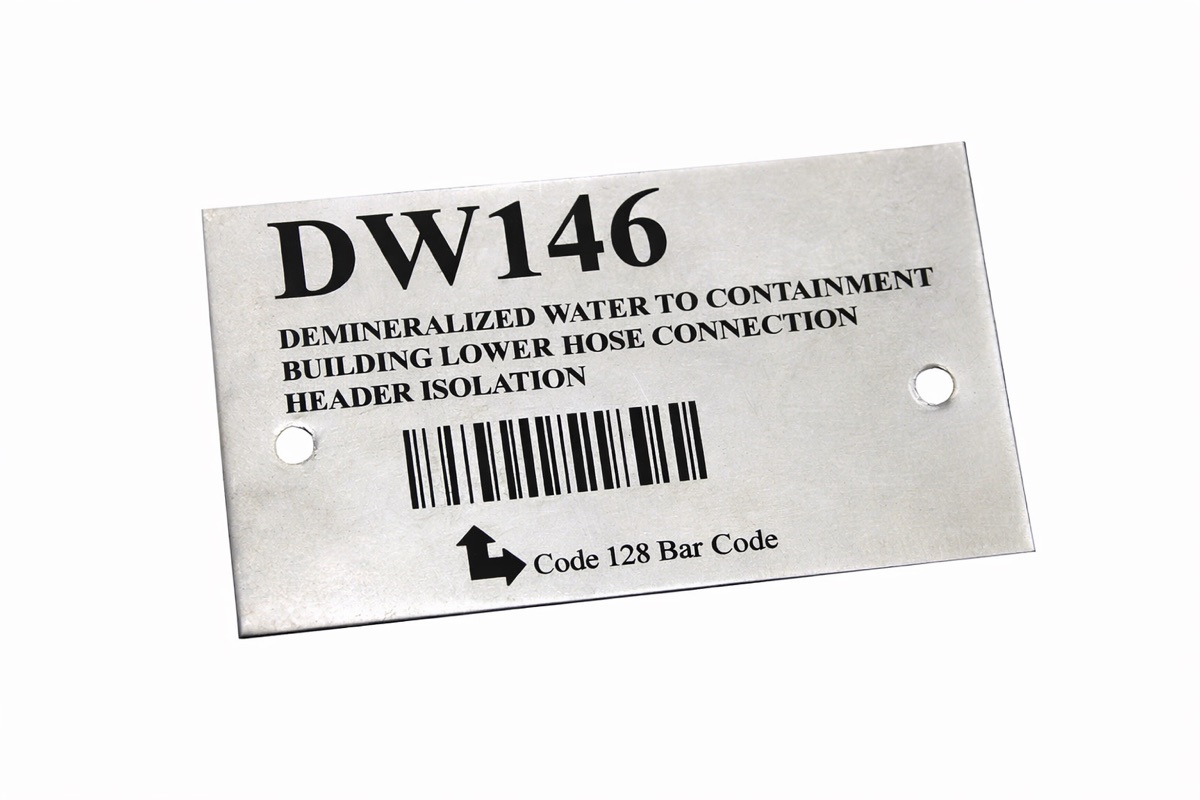
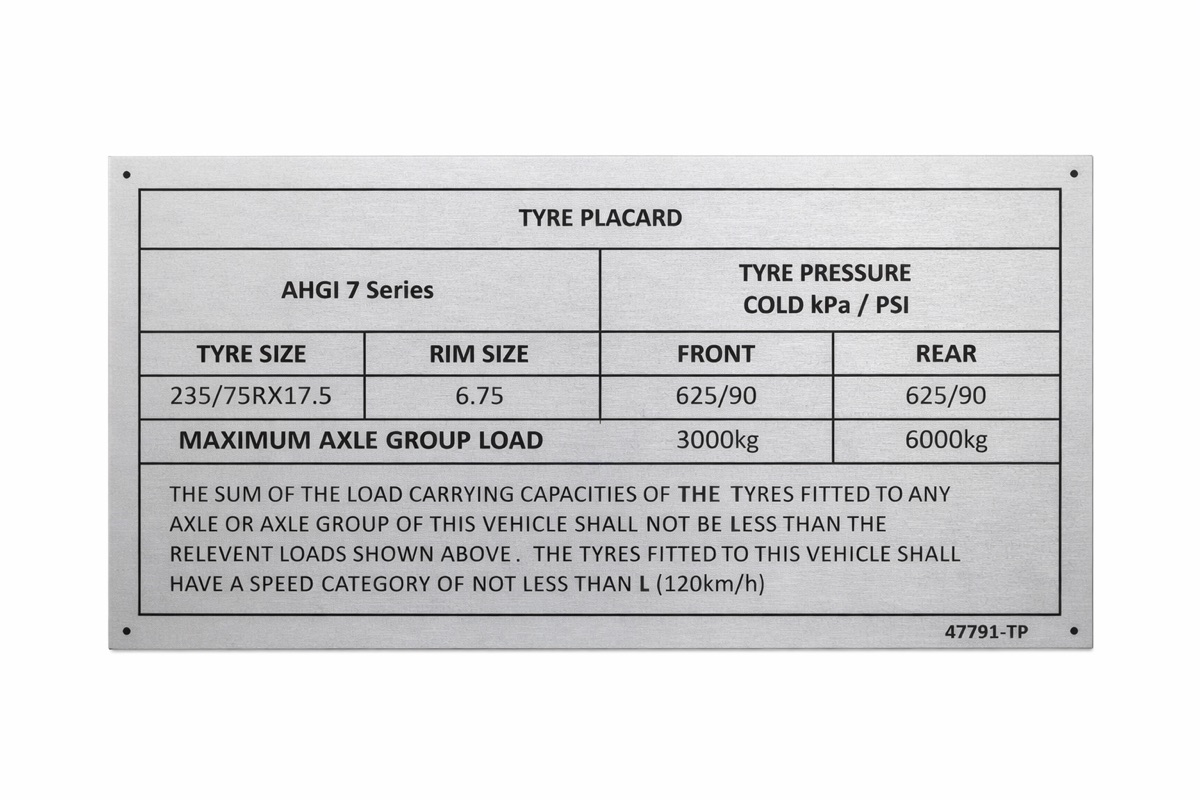
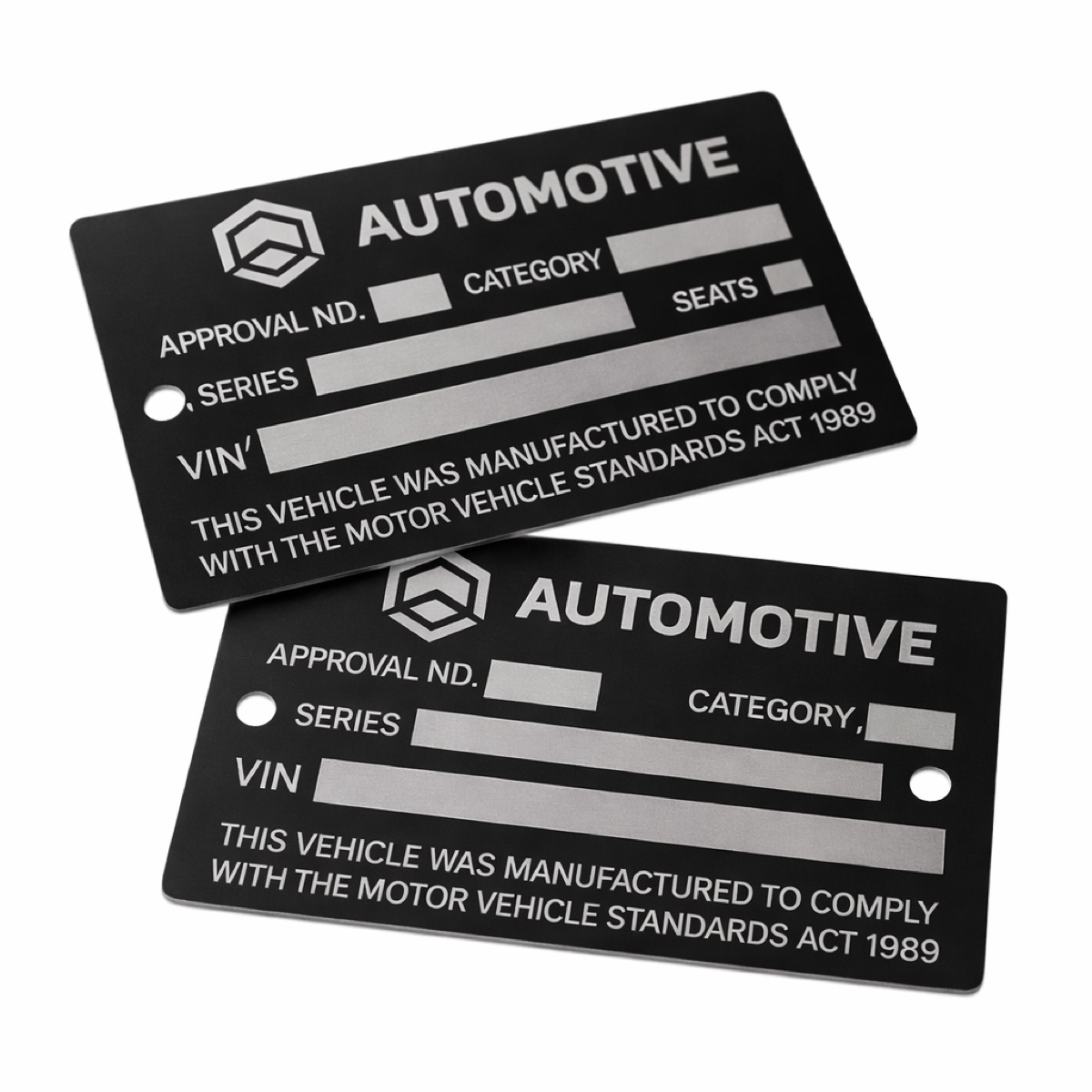 Compliance plates, nameplates & data platesEquipment compliance plates, manufacturer nameplates and machine data plates — model, serial, rating and build data etched in one pass and supplied with fixing holes.
 Traffolyte labelsEngraved laminate labels for switchboards, electrical and process plant — engraved through the cap layer for a contrast that never wears off, supplied by the schedule in the standard electrical colour combinations.
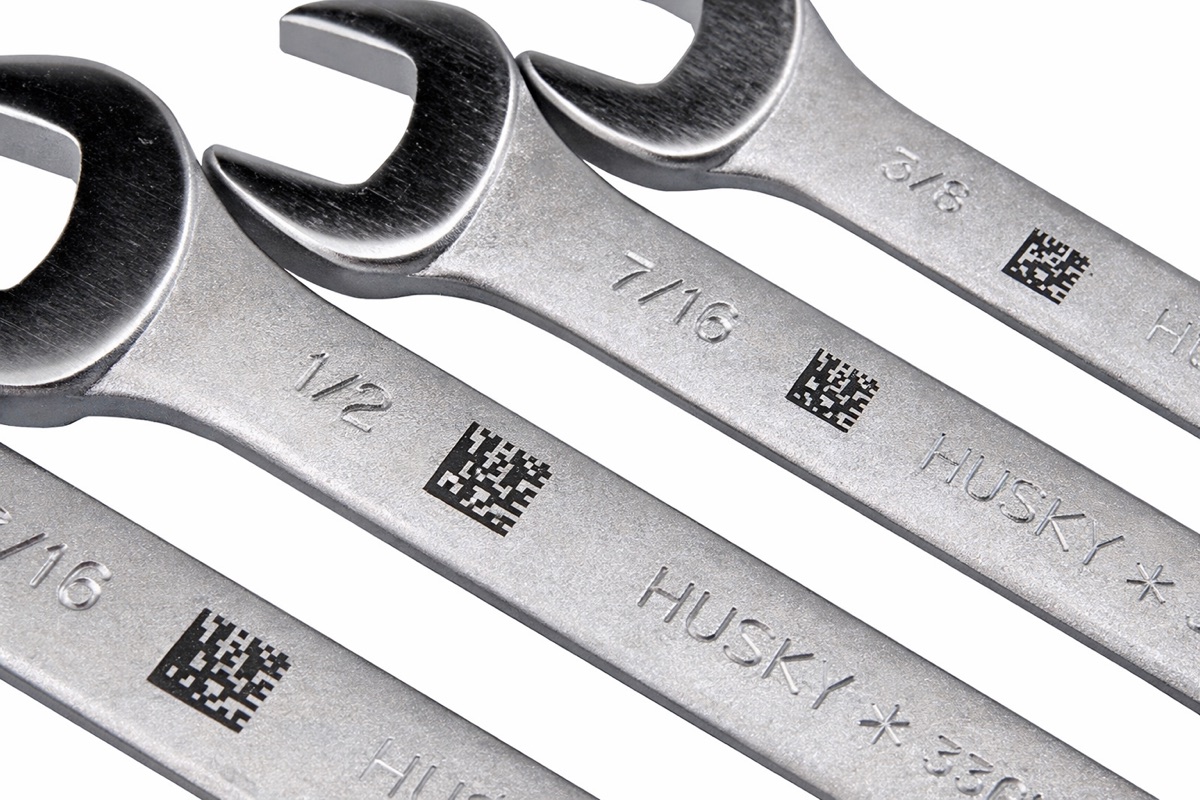
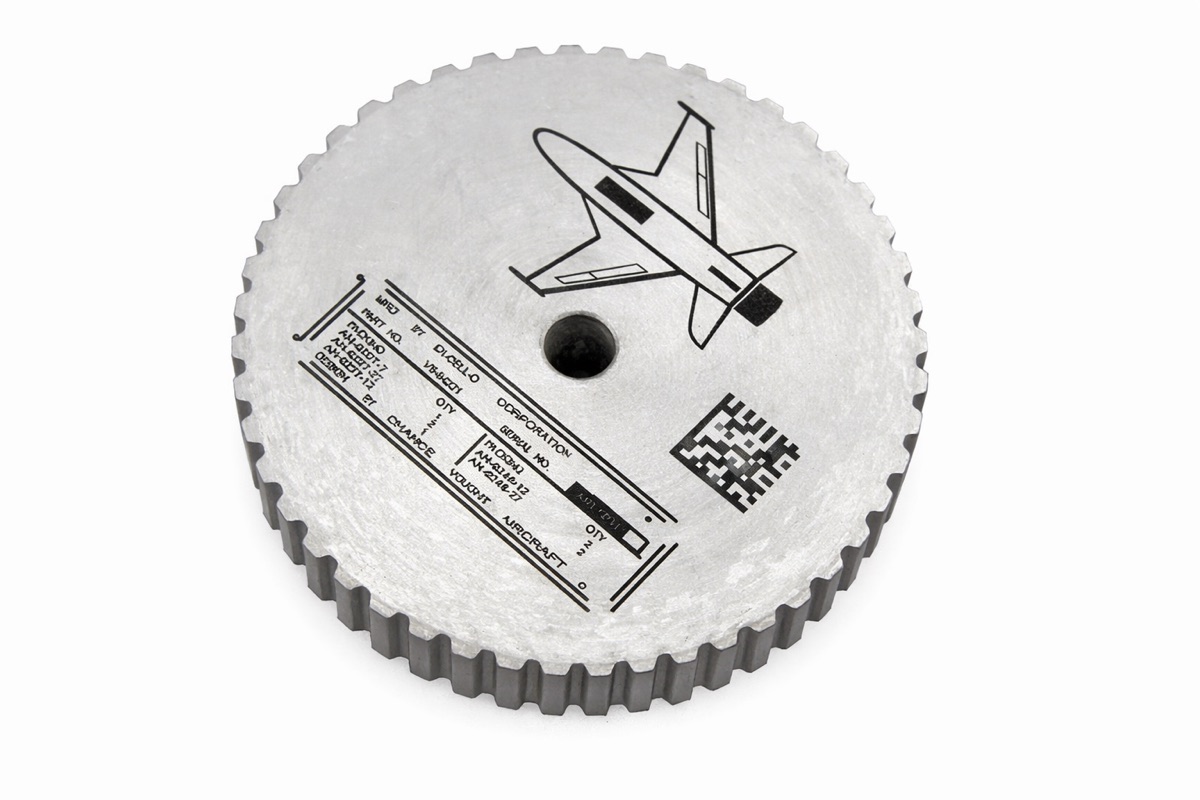
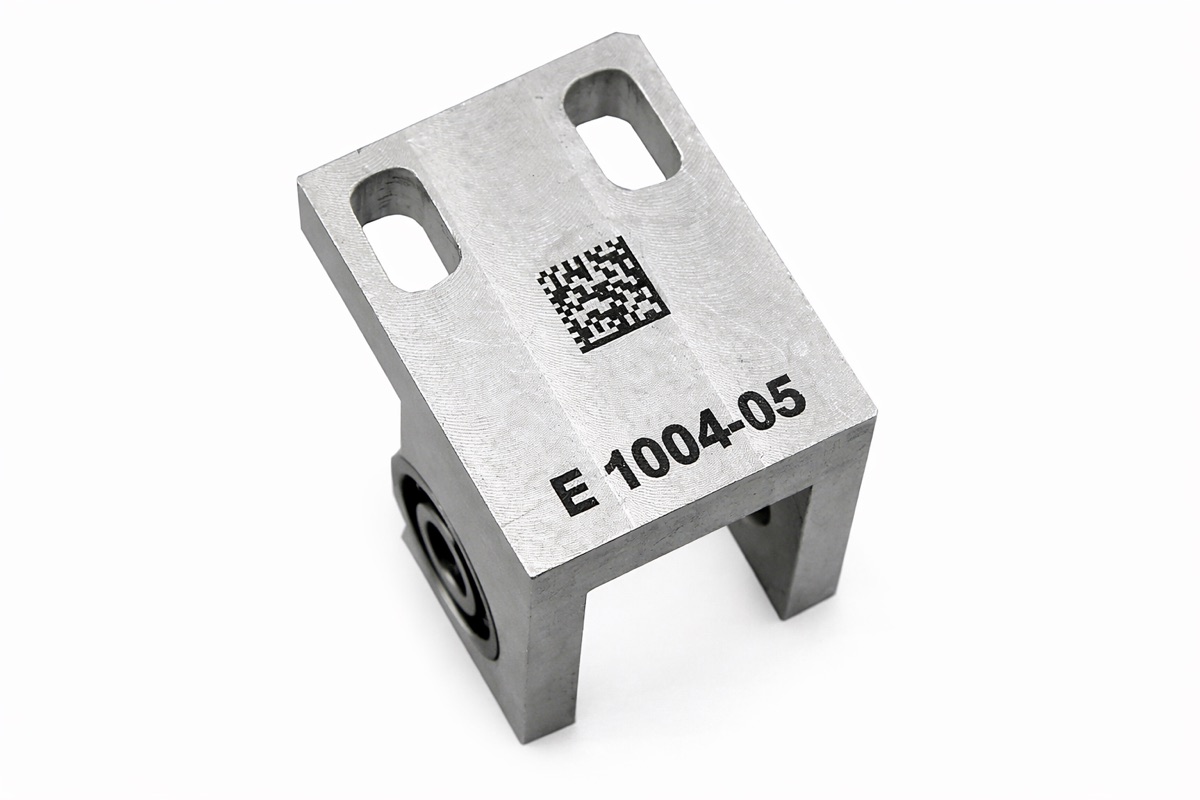
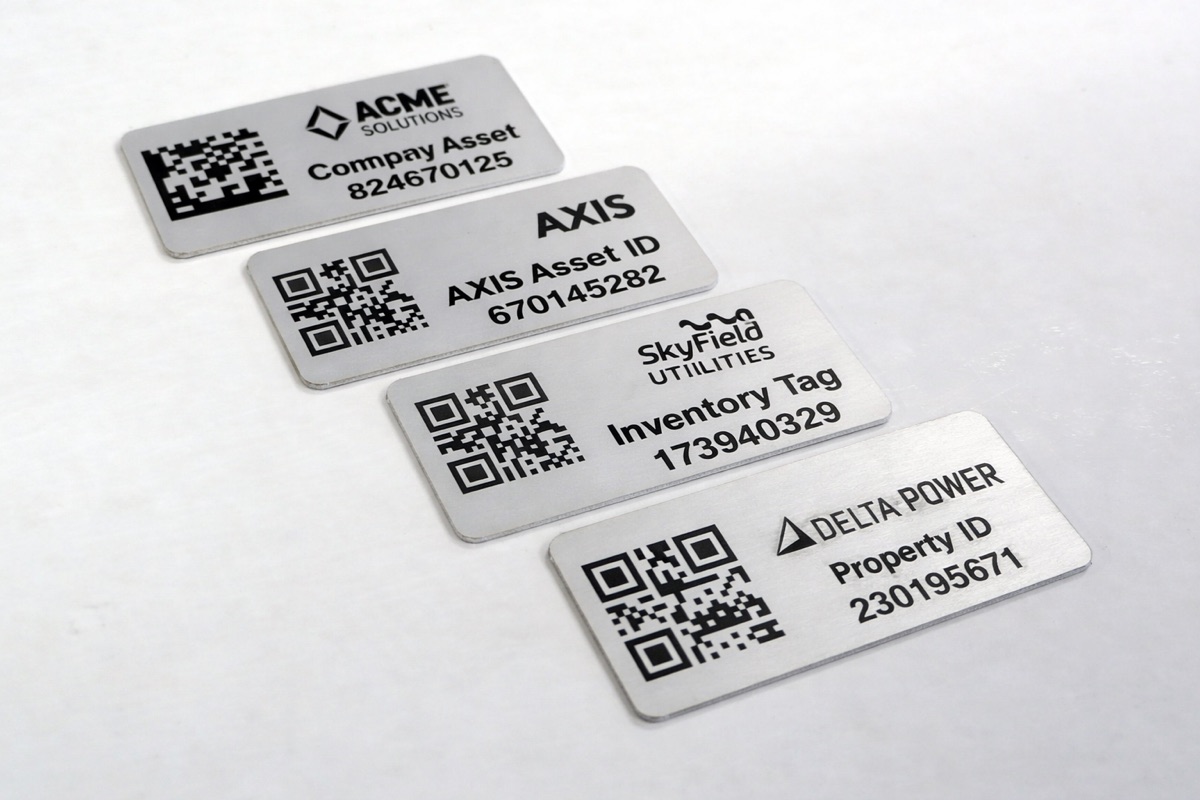
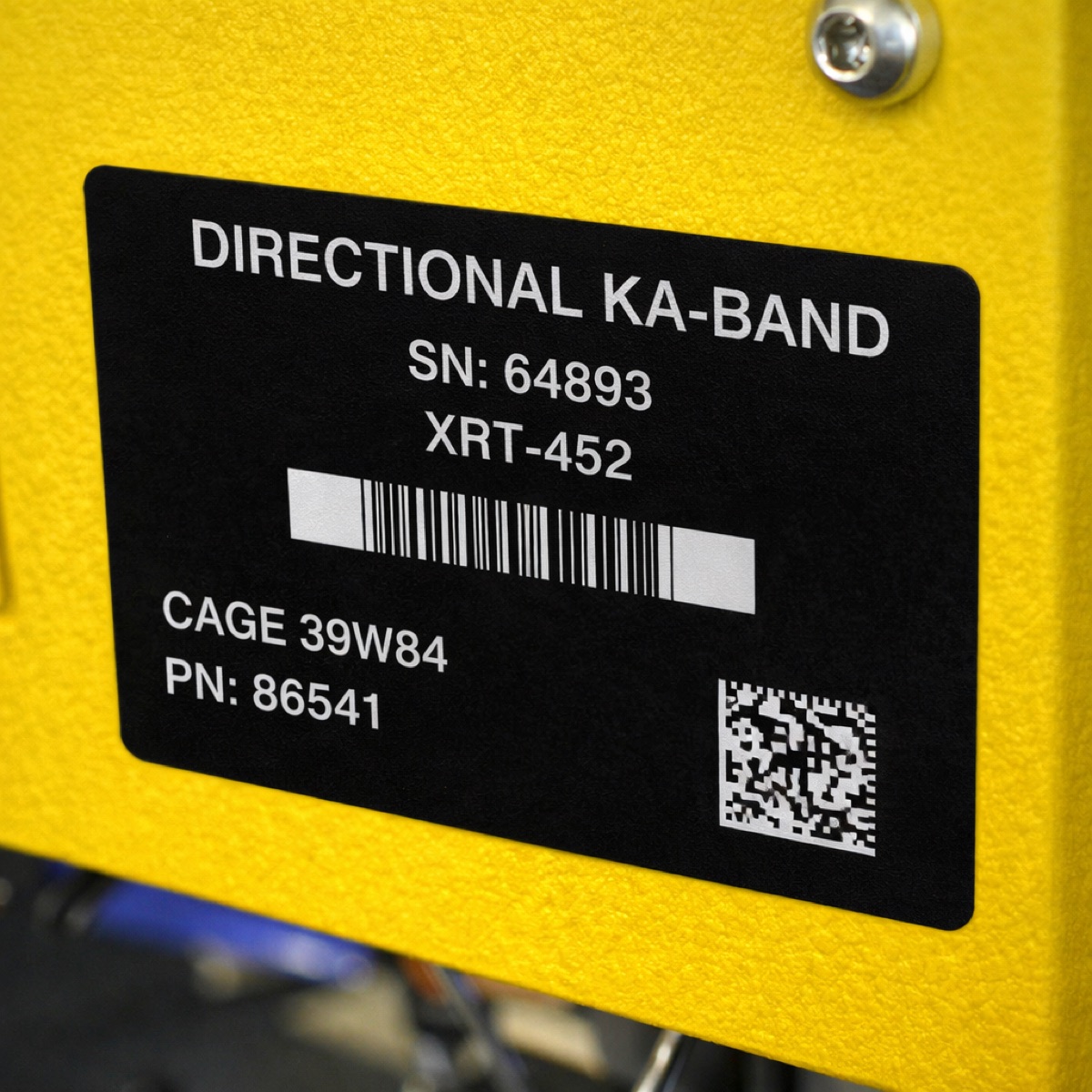 Asset tags & QR platesDurable asset labels for tools, plant and equipment fleets — QR and data-matrix codes scan-verified before dispatch.
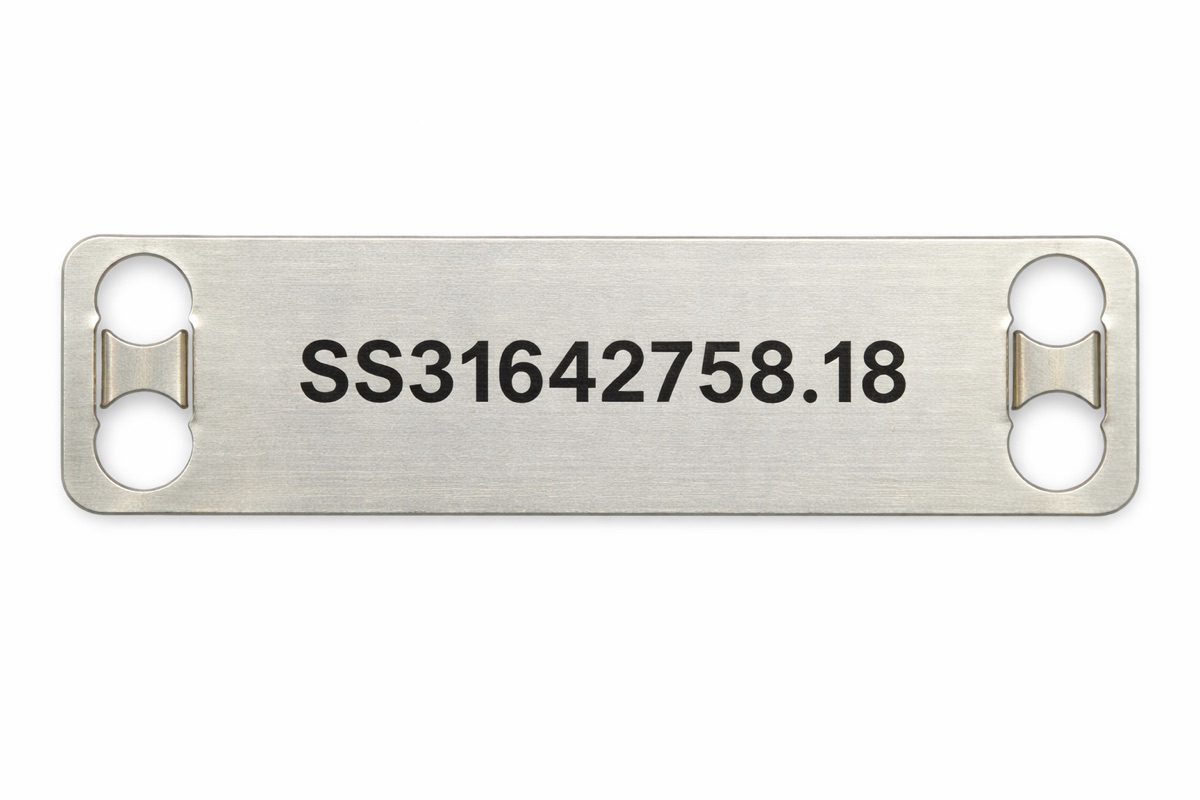
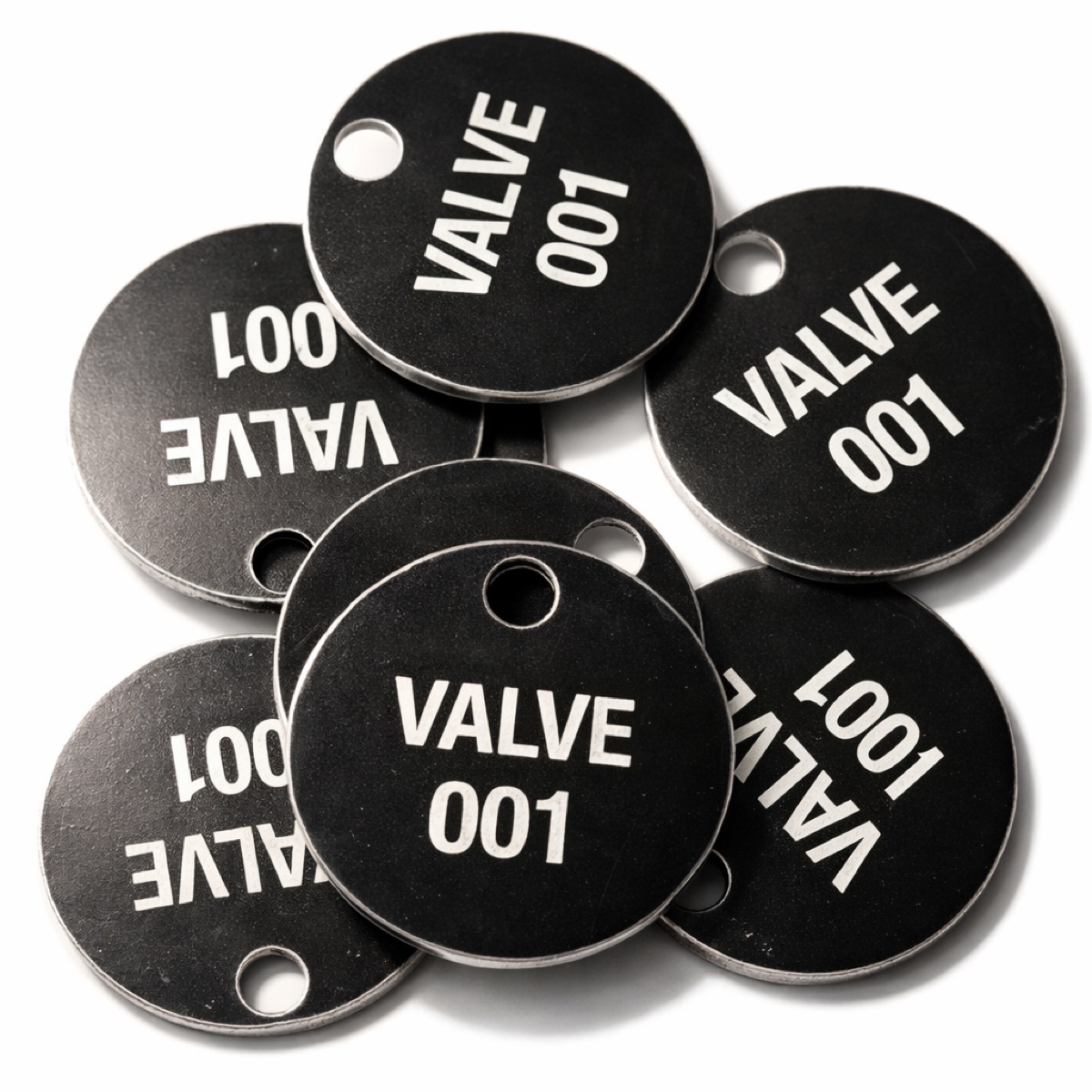 Valve, pipe & isolation tagsSerialised stainless steel or traffolyte tags for isolation points, valves, pipework and instrument identification.
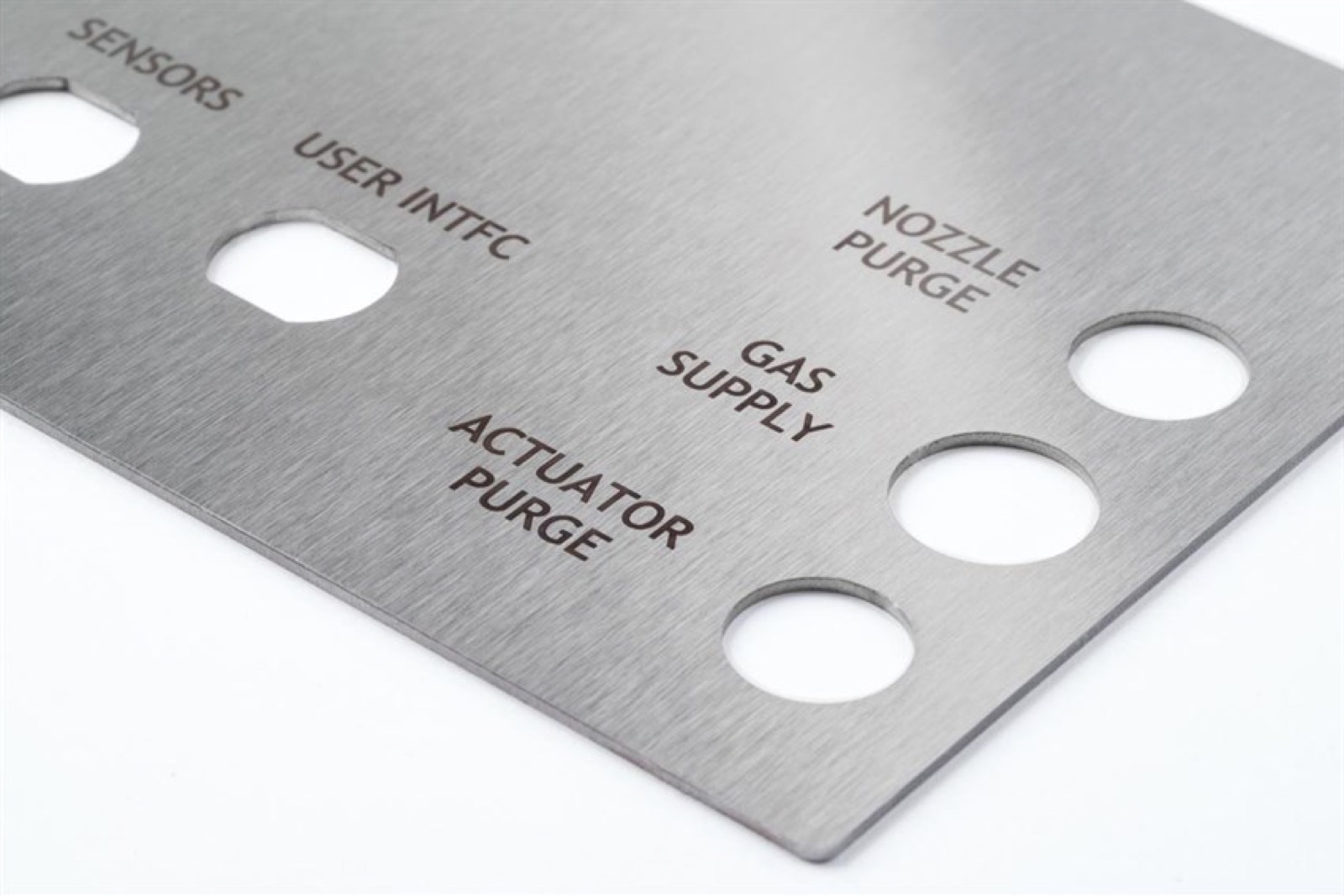
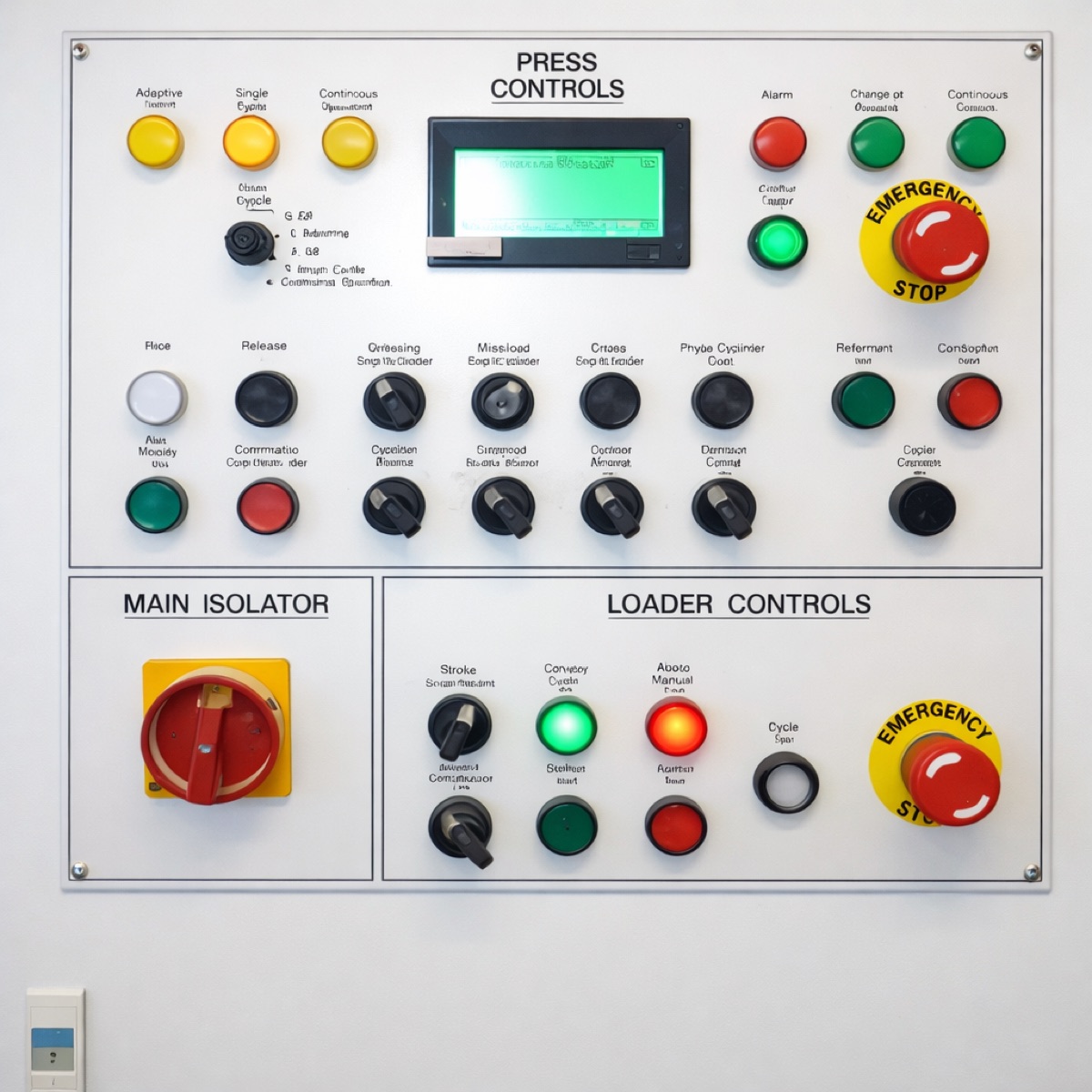 Switchboard & control labelsPanel legends, switchboard schedules and control labelling etched into stainless or anodised plate, or engraved in traffolyte — whichever the specification calls for.
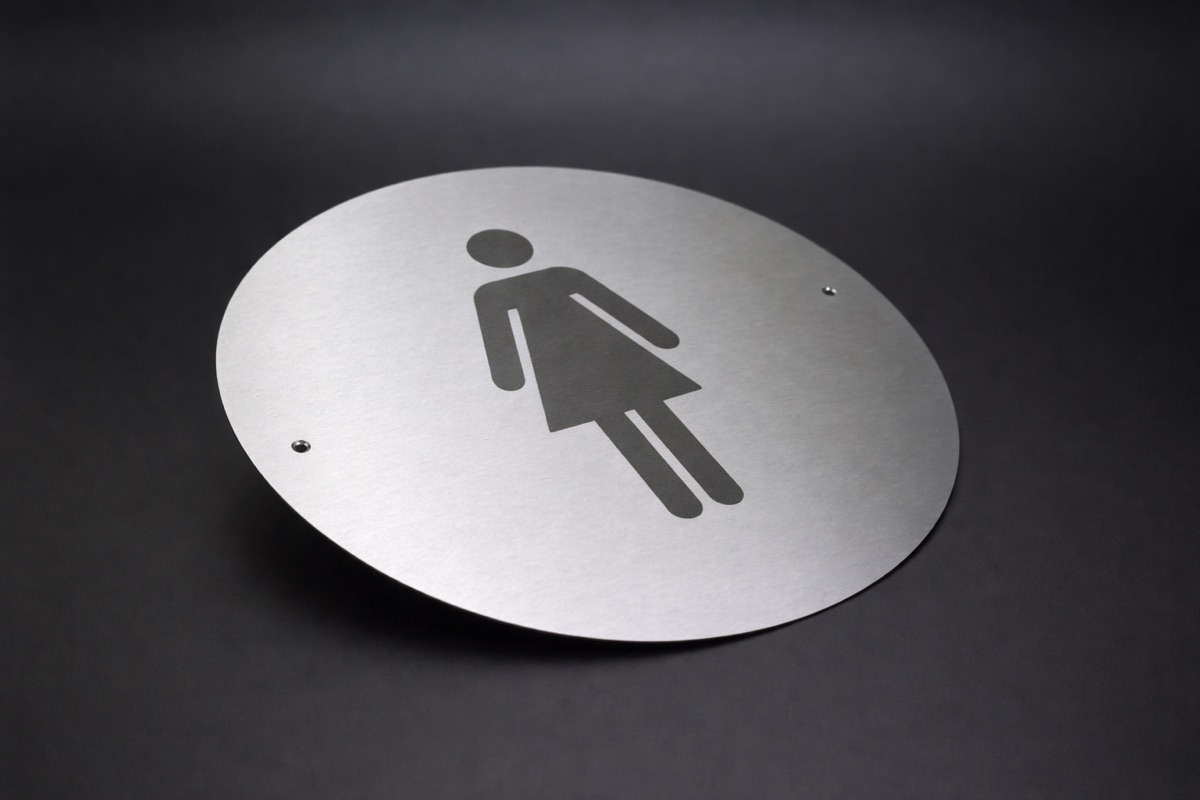
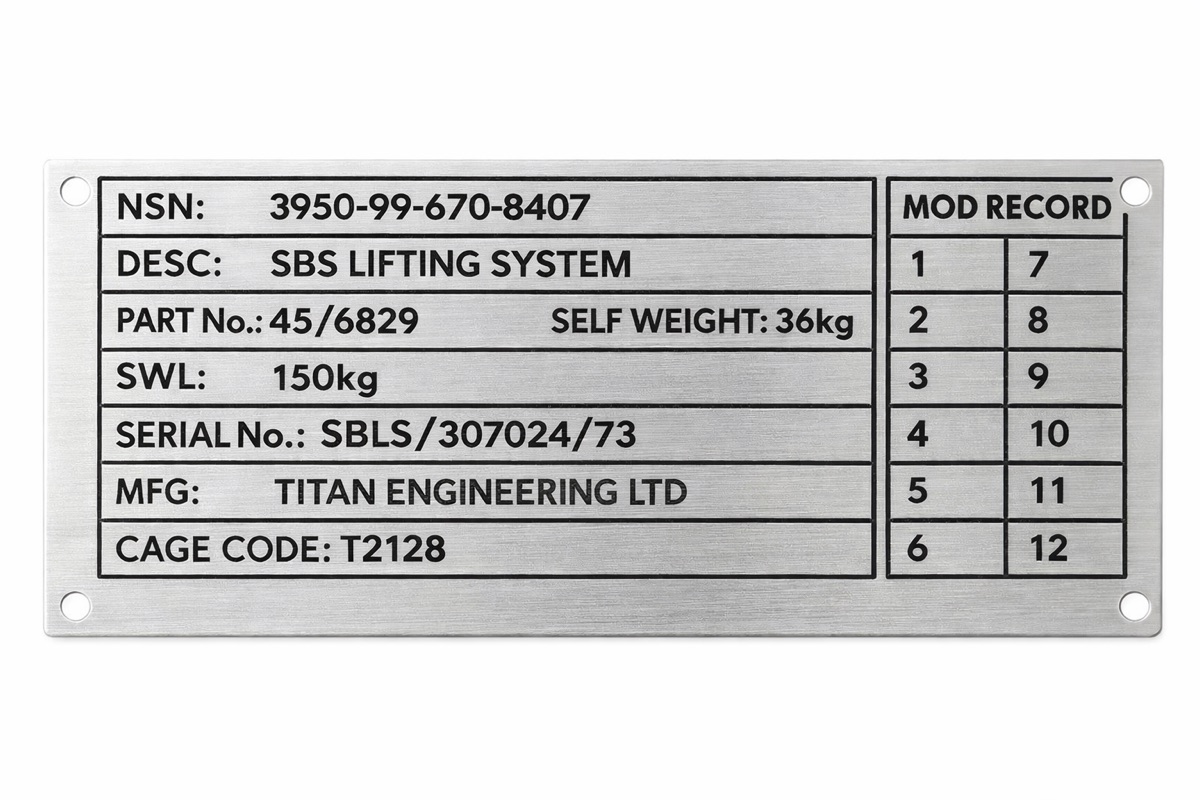 Safety identification platesPermanent safety and hazard identification that cannot peel off in service — the metal counterpart to your printed safety signs.
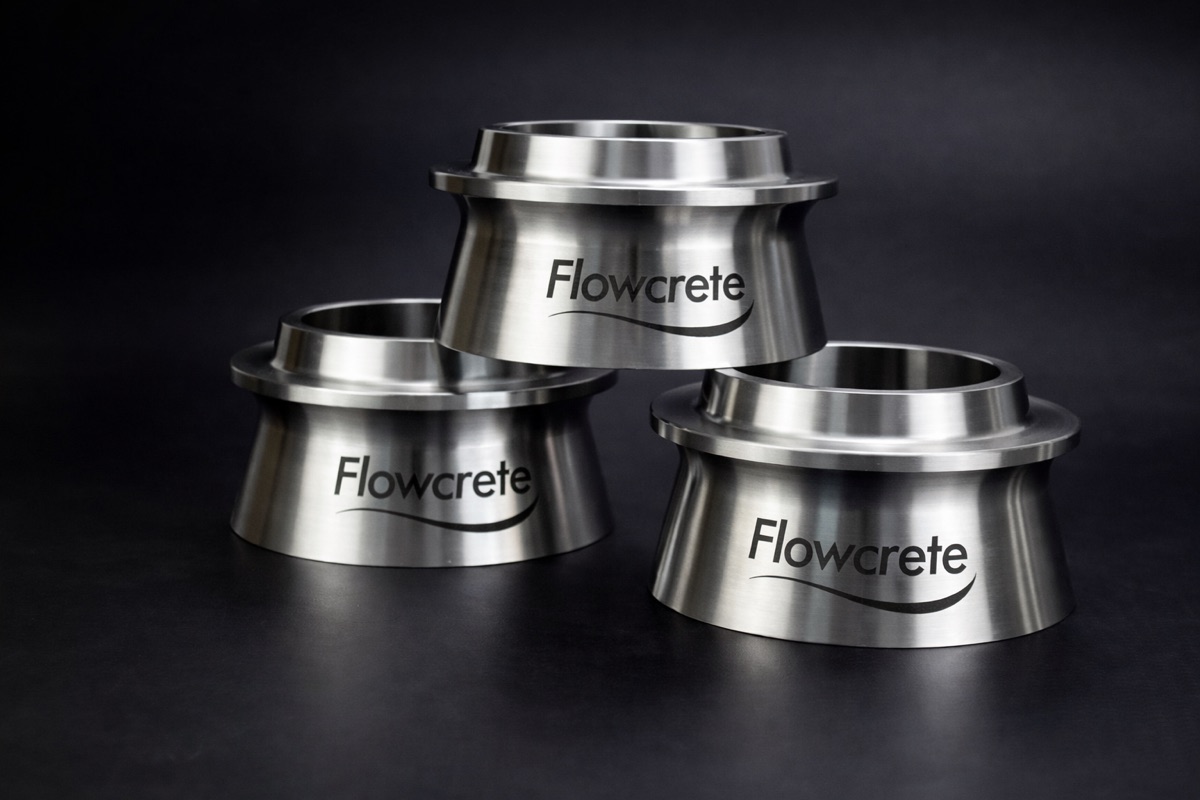
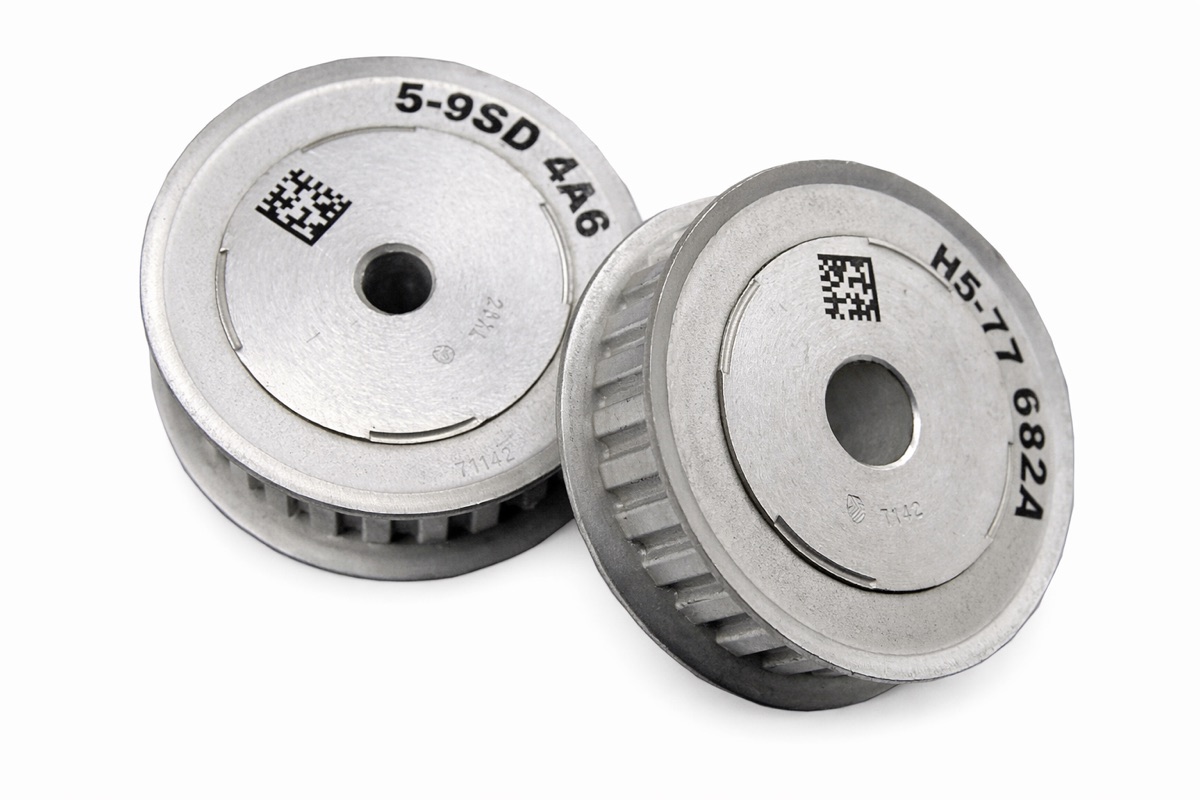
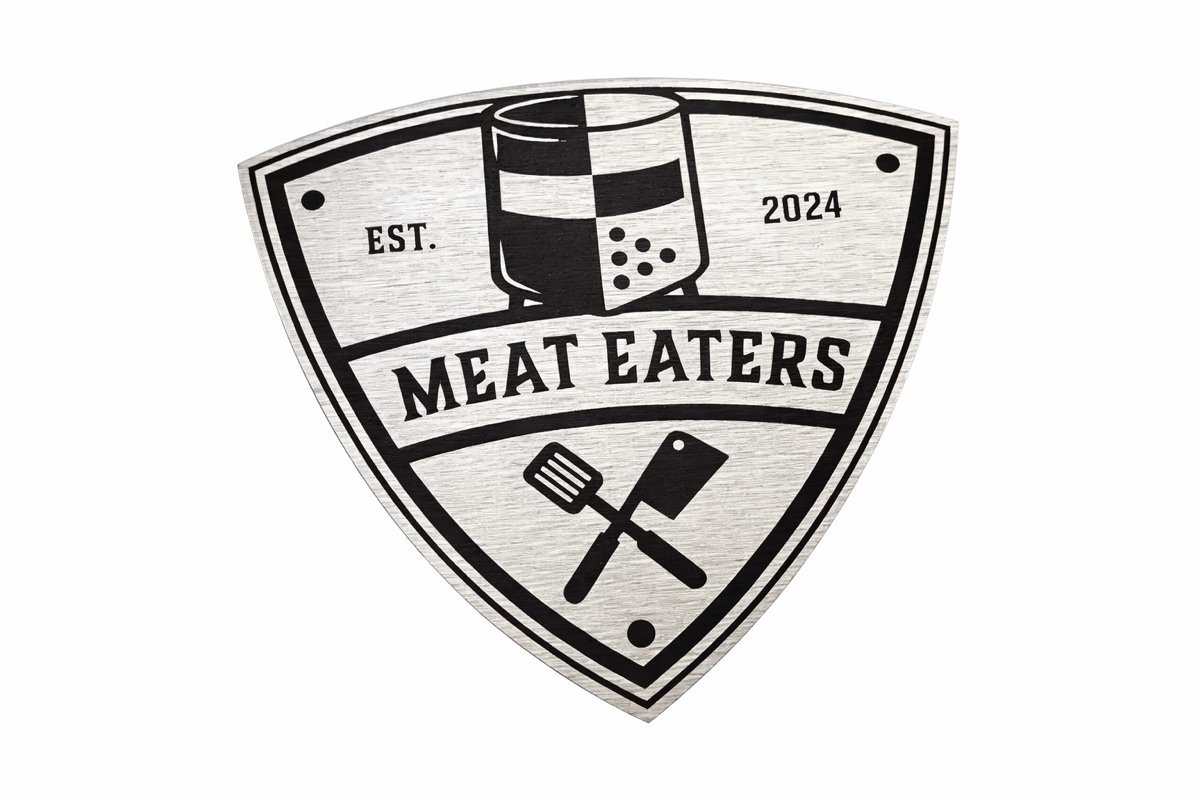 Serialised parts markingPart numbers, batch codes and traceability marks applied directly to machined and fabricated components, run by run.
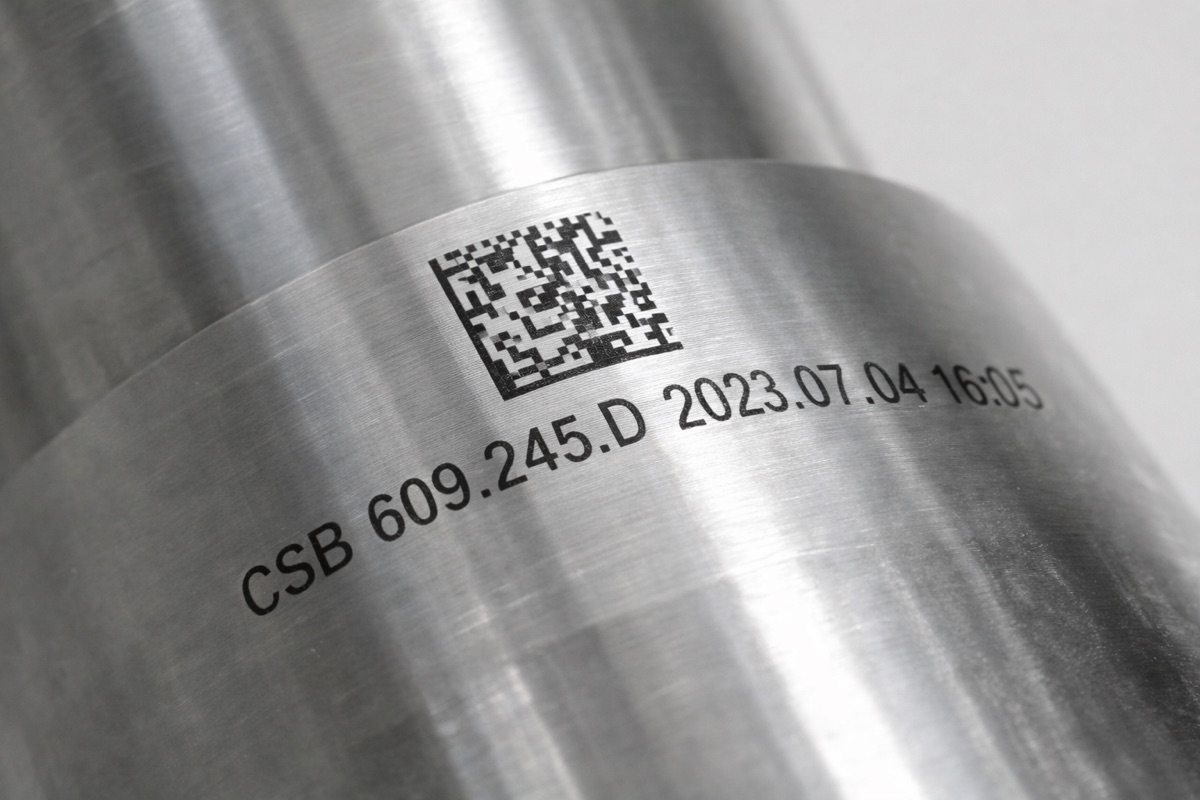 Cylinders & round componentsRotary etching around cylinders, bottles and turned components.
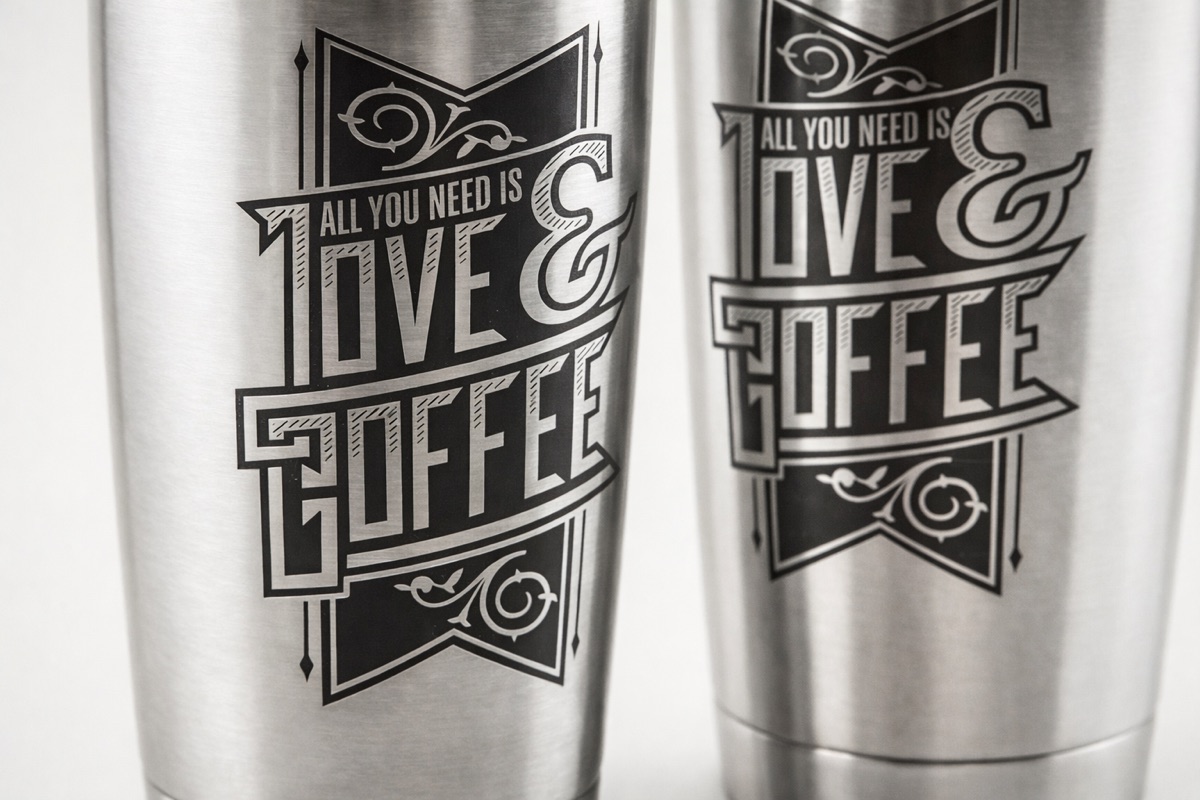
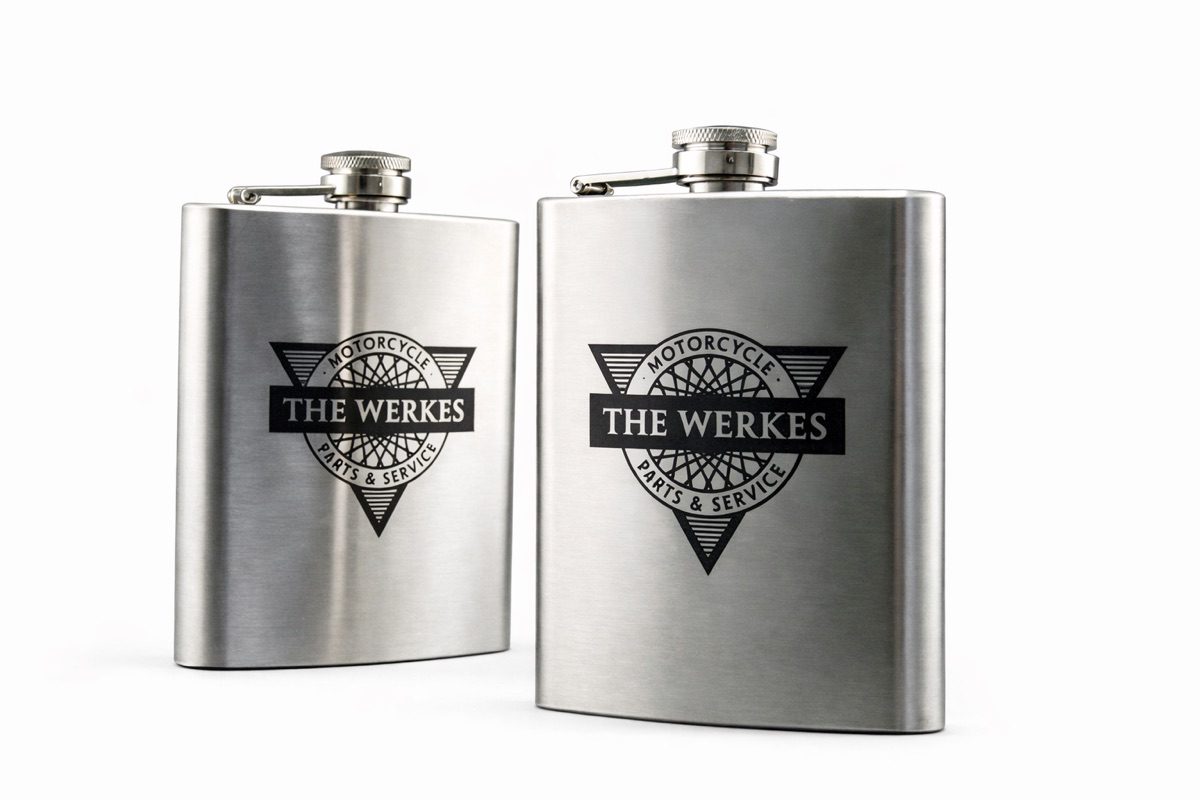 Branded merchandise runsCorporate drinkware and promotional product engraved in volume for brands, agencies and events.
Who is this for?
The work on this page is built around applications where identification has to be produced at scale and stay correct: equipment manufacturers and machine builders who need a nameplate on every unit; switchboard and control-panel builders who need a schedule of labels per board; mining, utilities and process plants that need serialised valve, isolation and instrument tag sets; facilities and asset managers rolling QR asset tags across sites; importers and hire fleets that need compliance plates across a fleet; and contractors delivering a site package where the metal identification leaves with the safety signage. If your job looks like one of those, it is a fit.
Which metals and materials can be laser engraved?
The fibre laser etches metal only. Stainless steel is the mainstay for plant, marine and washdown environments, where the identification has to survive weather, chemicals and cleaning. Aluminium takes a bright mark, and anodised aluminium gives the highest contrast of any metal we run: the laser etches through the coloured anodic layer to reveal the silver metal underneath, which is why it is the usual choice for compliance plates and control panels. Mild steel etches well for structural and plant tags that will be painted or galvanised after marking. Coated metals can also be etched; send the material specification and we confirm before quoting.
Traffolyte and engraving laminates are the exception to metal-only. They run on our CO₂ laser, engraved through the coloured cap to the contrasting core and cut to size on the same machine, so switchboard schedules, valve-tag sets and electrical labels come out as complete labelled sets in the standard electrical colour combinations — confirm colour and thickness when you send the schedule.
The metal plate itself is made here as well. Blanks are cut on our own fibre laser from the same stainless, aluminium and mild steel sheet range we use for signage, so plate size, corner radius and fixing holes follow your drawing rather than a stock list. If you are supplying your own parts — machined components, enclosures, cylinders — they are fixtured for repeatable positioning and etched in place.
How does a job run from artwork to delivered plates?
- Send the brief. A drawing, a photo of the existing plate, or a spreadsheet of serials, asset numbers or a label schedule, plus material and quantity. If you only have the part, send a photo and the overall dimensions and we redraw it.
- We confirm the specification. Material, finish and process are agreed and quoted. Where contrast or legibility is in question we engrave a sample first rather than guess.
- Blanks are made. Metal plates and tags are cut, deburred and drilled for fixings in-house; traffolyte is cut to size on the CO₂ laser. Supplied parts are fixtured so every piece is engraved in the same position.
- Engraving and verification. Text, logos and codes are engraved from your data. Every barcode, QR and data-matrix code is scan-verified in real conditions before the run leaves the workshop.
- Delivery. Finished plates, tags and label sets are packed and delivered Australia-wide — to your door, to site, or to your assembler.
Why laser instead of printed labels, stamping or rotary engraving?
Printed and adhesive labels are cheap and quick, and they are the right answer for a lot of signage — but on plant they fade in sunlight, lift under heat and solvents, and peel at the edges, which is how a machine ends up with no legible rating plate. Stamping is permanent but limited to characters: no logos, no codes, and each change of data means a change of dies. Rotary engraving gives real depth, but it is slow on text-heavy plates and cannot reproduce the fine detail of a QR or data-matrix code.
Laser engraving uses no consumables, reproduces any font, logo or code at fine sizes, takes serial data straight from a list, and produces the same result on the first plate and the thousandth. The limits are worth knowing too. The mark is monotone — one contrast against the base material, not colour. The fibre etching field is 200 × 200 mm per setup, so larger metal plates are etched in registered steps. And the fibre etch is shallow by design — permanent, but not a deep relief for paint filling; if a specification calls for deep-cut, filled lettering, that is a different process and we will say so at quote rather than sell you the wrong one.
What artwork and data do we need?
Vector artwork (PDF, AI, SVG or DXF) with fonts outlined gives the cleanest result; logos should be supplied as solid black on white, because the laser engraves in one tone. Serial numbers, asset IDs, label schedules and variable text come from a spreadsheet — one row per plate or label — and we build the layout so the data drops in without retyping. For a replacement plate, a clear photo and the overall dimensions are enough for us to redraw it. Every job is proofed before engraving, and we advise the minimum legible text size for the material and finish you have chosen.
Where is it made, and how is it delivered?
Everything on this page is produced in our Sydney workshop, alongside fibre laser cutting, laser welding and sign fabrication. That matters for identification work: a compliance plate can be cut, etched and riveted to the fabricated enclosure it belongs to, and a set of valve tags can leave with the safety signage for the same site. Finished plates, tags and label sets are delivered Australia-wide, with offices in Sydney, Melbourne, Canberra and the Gold Coast for project coordination. Serialised runs, project sets and ongoing supply are the normal shape of the work.
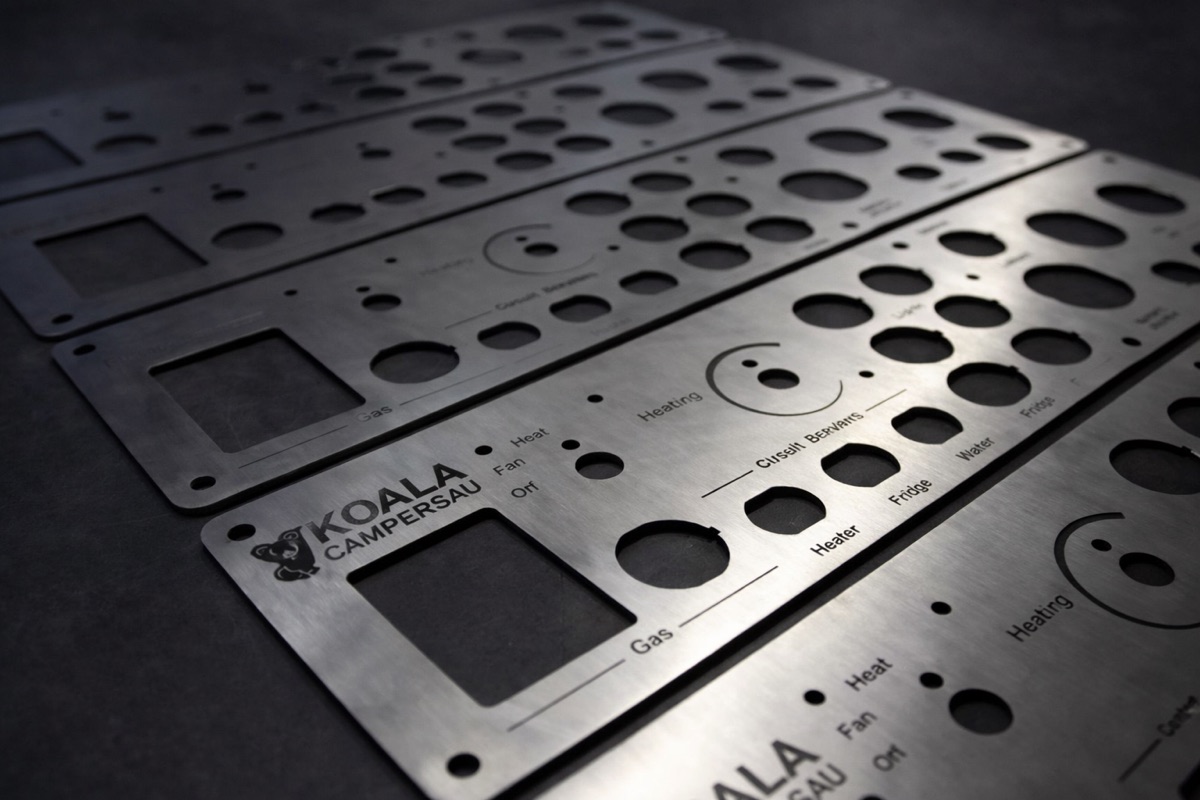
Recent work from the workshop
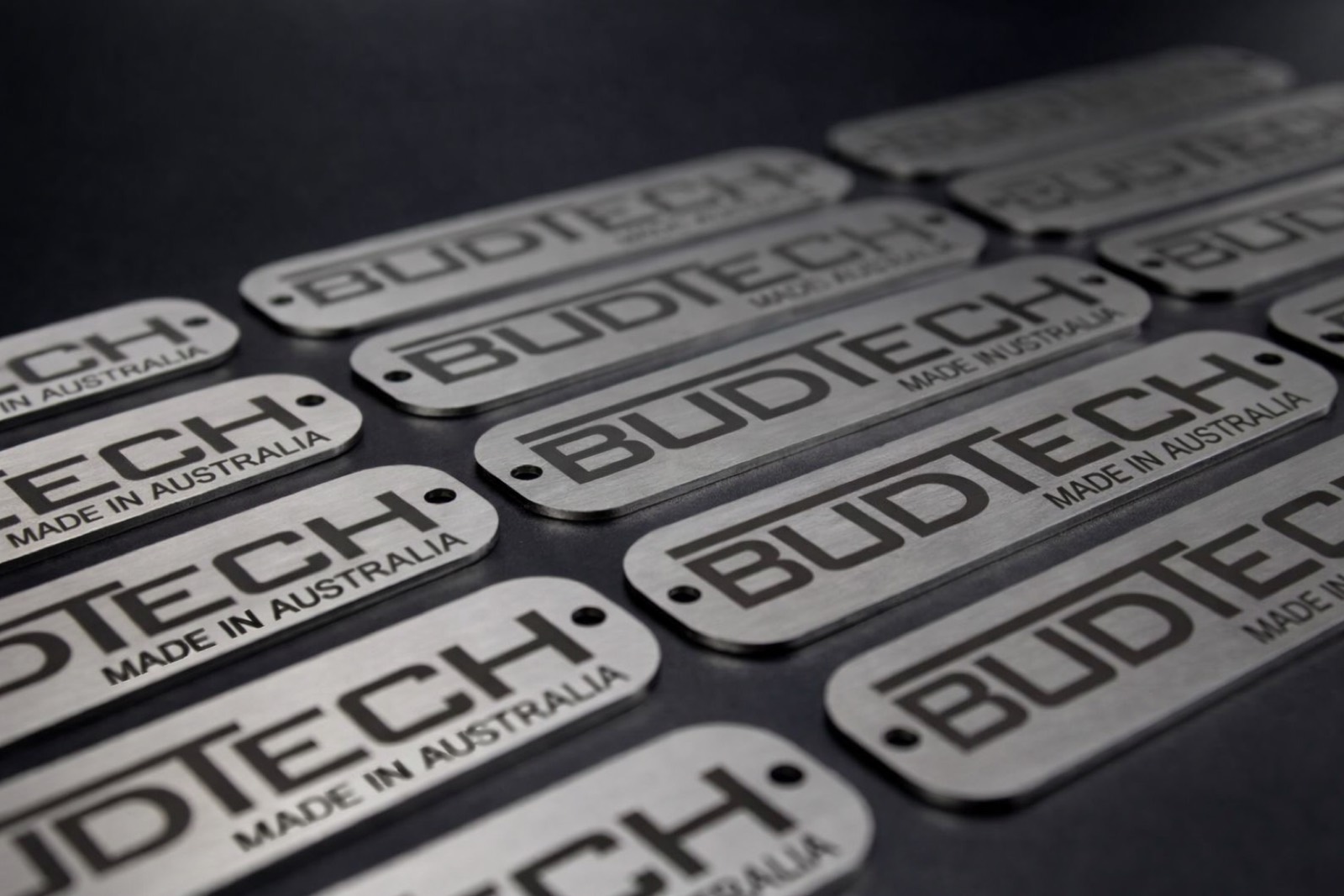
Common questions
What is the difference between laser marking, etching and engraving?
They describe how deep the laser works. Marking changes the surface colour without removing metal; etching removes a shallow layer; engraving cuts a recess you can feel. On metal we produce a shallow, permanent etch on a fibre laser system; on traffolyte and engraving laminates we engrave through the coloured cap layer on a CO₂ laser. Tell us what the part is and where it lives and we choose the process.
Which materials can be laser engraved?
On the fibre laser: metal only — stainless steel, aluminium (plain and anodised), mild steel and coated metals. On the CO₂ laser: traffolyte and engraving laminates. Send the material specification and we confirm suitability before quoting.
Do you engrave traffolyte labels?
Yes. Traffolyte and engraving laminates are engraved and cut on our CO₂ laser straight from your schedule — switchboard labels, valve and equipment tags, process and electrical labels — and delivered as complete sets.
Is there a minimum quantity, and do you take hobby jobs?
We are a commercial engraver set up for volume: serialised runs, fleet tagging, switchboard schedules and ongoing supply. We do not take hobby or personal engraving. If you have a commercial job that is small in count but part of a larger project or account, ask — we will tell you straight whether it fits.
Can you supply the plates and tags as well as engrave them?
Yes. Metal blanks are cut on our own fibre laser, drilled for fixings and finished in-house, then etched — so a compliance plate or asset tag arrives as one finished item, not as a blank you have to source elsewhere.
Can you engrave serial numbers and codes from our data?
Yes. Sequential numbering and data-driven engraving run straight from your spreadsheet, and every barcode, QR and data-matrix code is scan-verified in real conditions before the run leaves the workshop.
How large an area can you etch on metal?
The fibre etching field is 200 × 200 mm per setup; larger plates are etched in registered steps or assessed case by case.
Is the engraving really permanent?
Yes. On metal the mark is made in the surface itself, and on traffolyte the contrast is the core of the laminate, so neither can peel, fade or wash off the way printed or adhesive labels do.
Can you match an existing nameplate or compliance plate?
Yes. Send a photo and the overall dimensions and we redraw the layout, match the plate size and fixing holes, and send a proof before engraving.
Can you engrave curved or round items?
Yes. Cylinders, bottles and turned components are etched around the curve on a rotary fixture; send the item dimensions and we confirm the setup.
Can you engrave our branded merchandise?
Yes, in volume — corporate drinkware, promotional product and event pieces for brands and agencies. Personal single-item engraving is not a service we offer.