
In-house production
Laser Welding
Precise, low-heat welding for fabricated metalwork — clean seams on stainless, mild steel and suitable aluminium, with far less distortion than conventional welding and minimal finishing before paint or polish.
Request a quote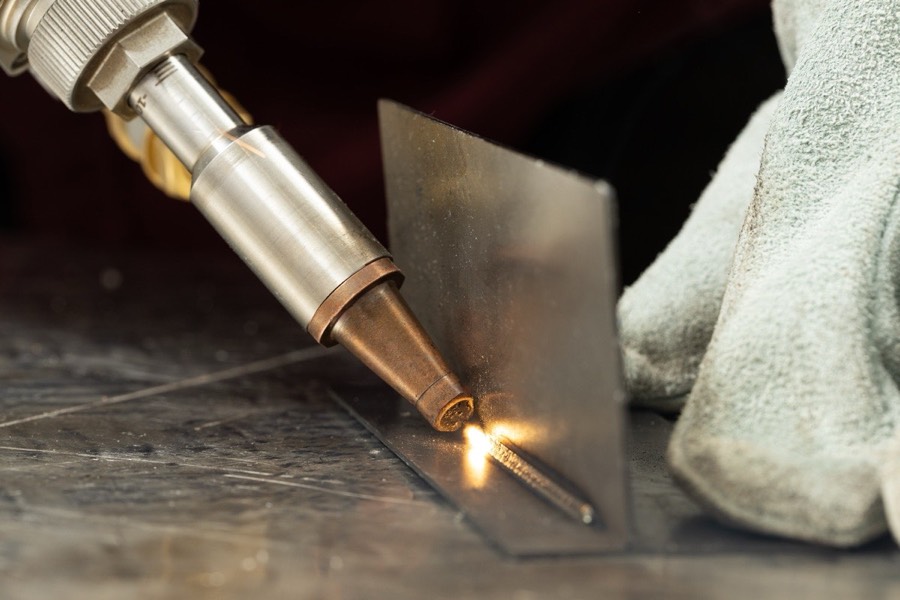
Why laser welding beats TIG and MIG on visible work
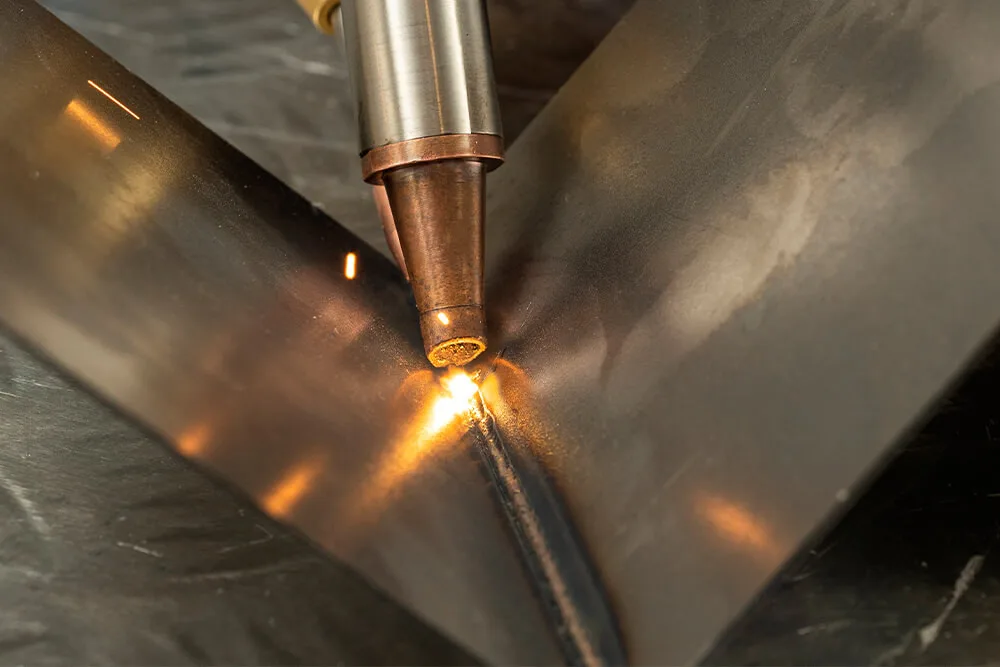
Laser welding concentrates a small, tightly controlled amount of heat exactly where the join is. A conventional torch floods the surrounding metal with heat, which is why thin sheet ripples, panels bow and long seams pull out of line. The laser process avoids most of that: the weld pool is narrow, the heat-affected zone is small, and the part comes off the bench close to the shape it went on with.
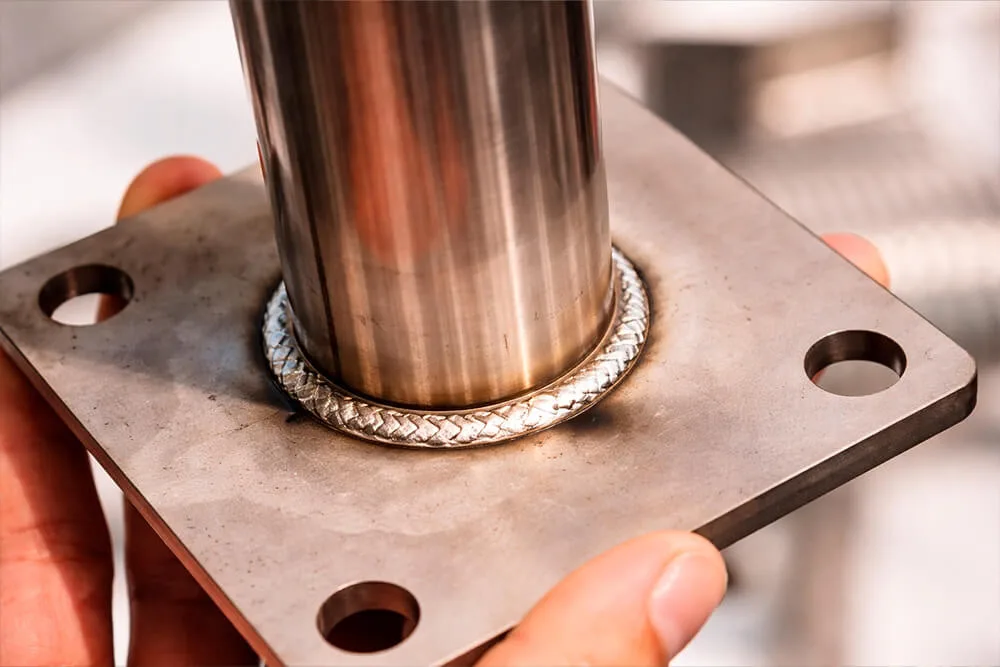
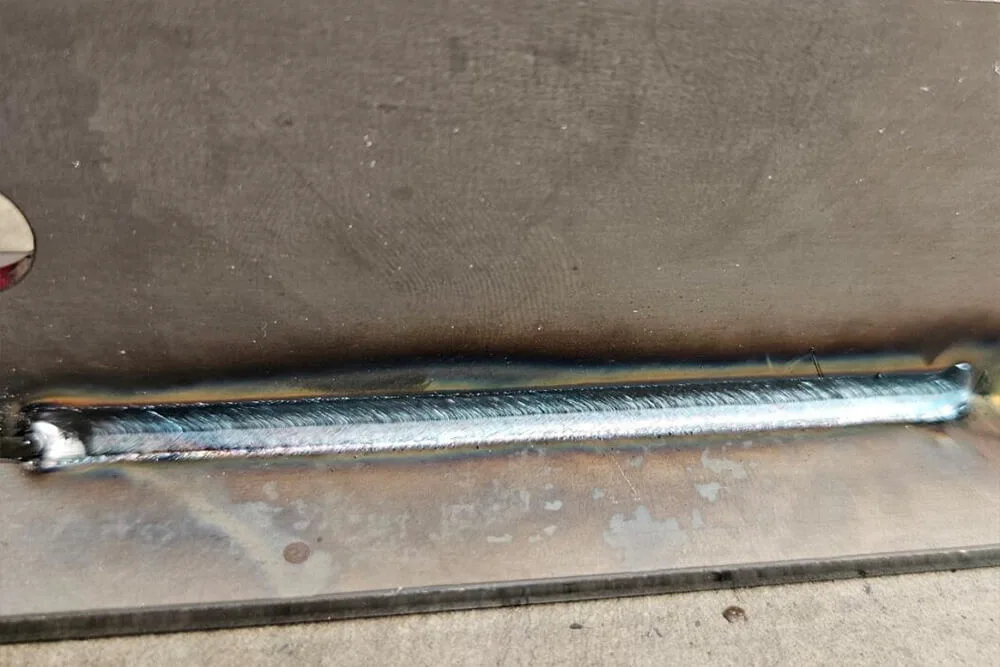
That matters most on work people see up close. Fabricated letters, boxed signage trays, architectural trims, counters and reception features all put the join line in plain view — and every millimetre of distortion or heavy grinding shows in the finished surface. Laser welding produces a narrow, consistent bead with very little spatter, so visible faces need only light finishing before paint, polish or brushed treatment.
The same qualities pay off well beyond signage. Engineering and OEM clients bring us brackets, enclosures, guards and light assemblies where flatness and repeatability matter more than looks; shopfitters and joiners bring steel and aluminium details that have to sit flush against cabinetry; and procurement buyers order the same welded part again and again, expecting each batch to match the last.
The low, localised heat input also suits thin and dissimilar-gauge combinations that frustrate conventional processes — a thin skin onto a heavier backing plate, for example — with joint suitability confirmed on your actual material before a production run.
Parts are cut on our fiber laser and welded metres away by the same team. One workshop, one quote, no freight between a cutting supplier and a fabricator — and no argument about whose tolerance caused the fit-up problem, because the same people own both steps.
What we weld
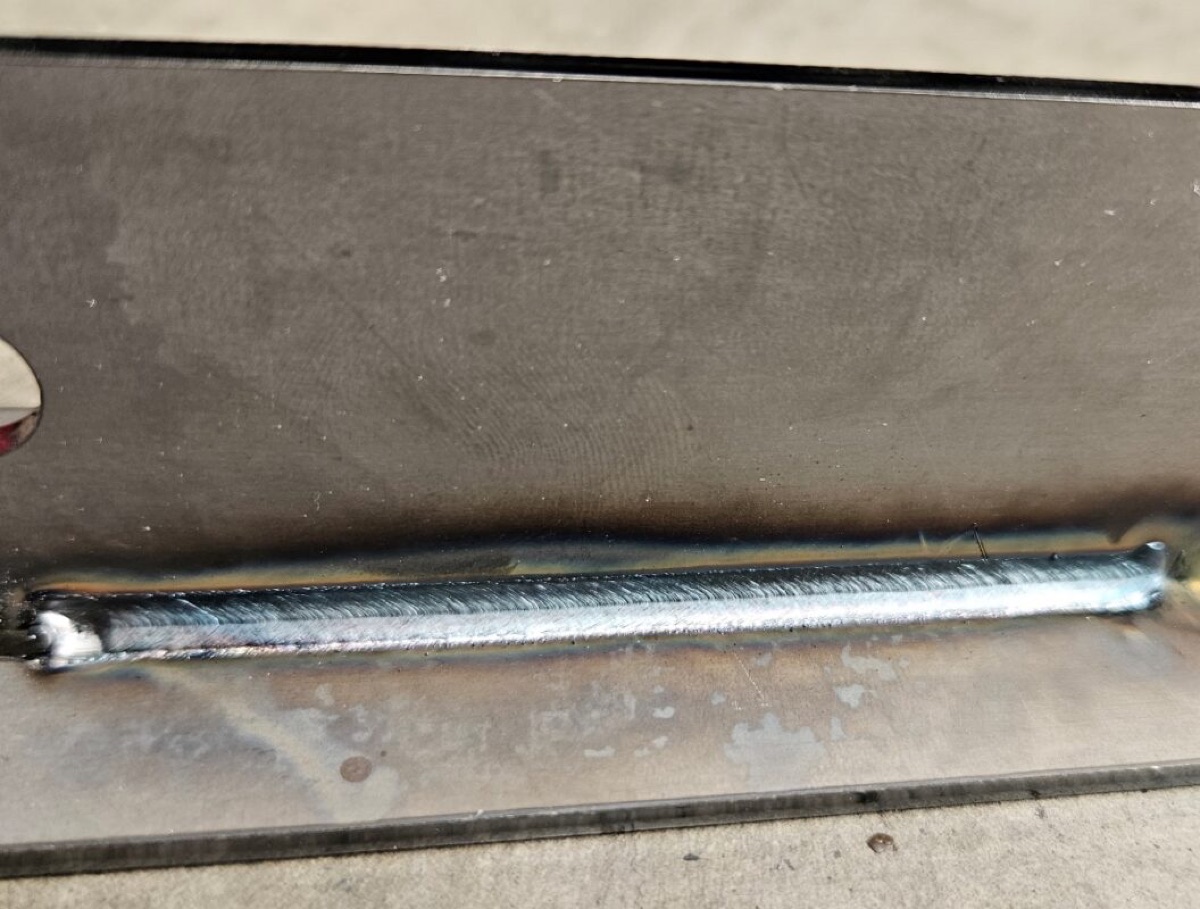 Boxes, trays & enclosuresSignage pans, cabinets, equipment enclosures and covers folded and welded ready for finishing.
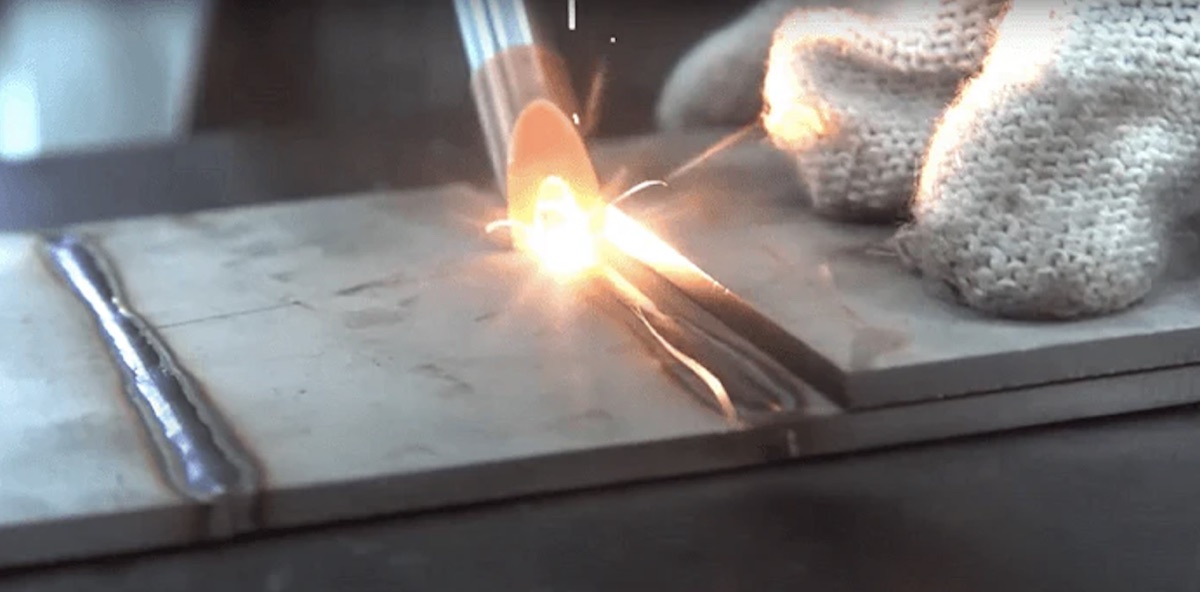 Batch productionRepeat assemblies welded to a proven setup so the fiftieth part matches the first.
Materials we weld
Laser welding suits thin to medium-gauge sheet metals where appearance, flatness and repeatability matter. We routinely weld stainless steel and mild steel, and take on aluminium where the grade and joint design suit the process. Every job starts from the material specification — grade, finish and gauge — and where there is any doubt, we prove the joint on an offcut of your actual material before quoting the run.
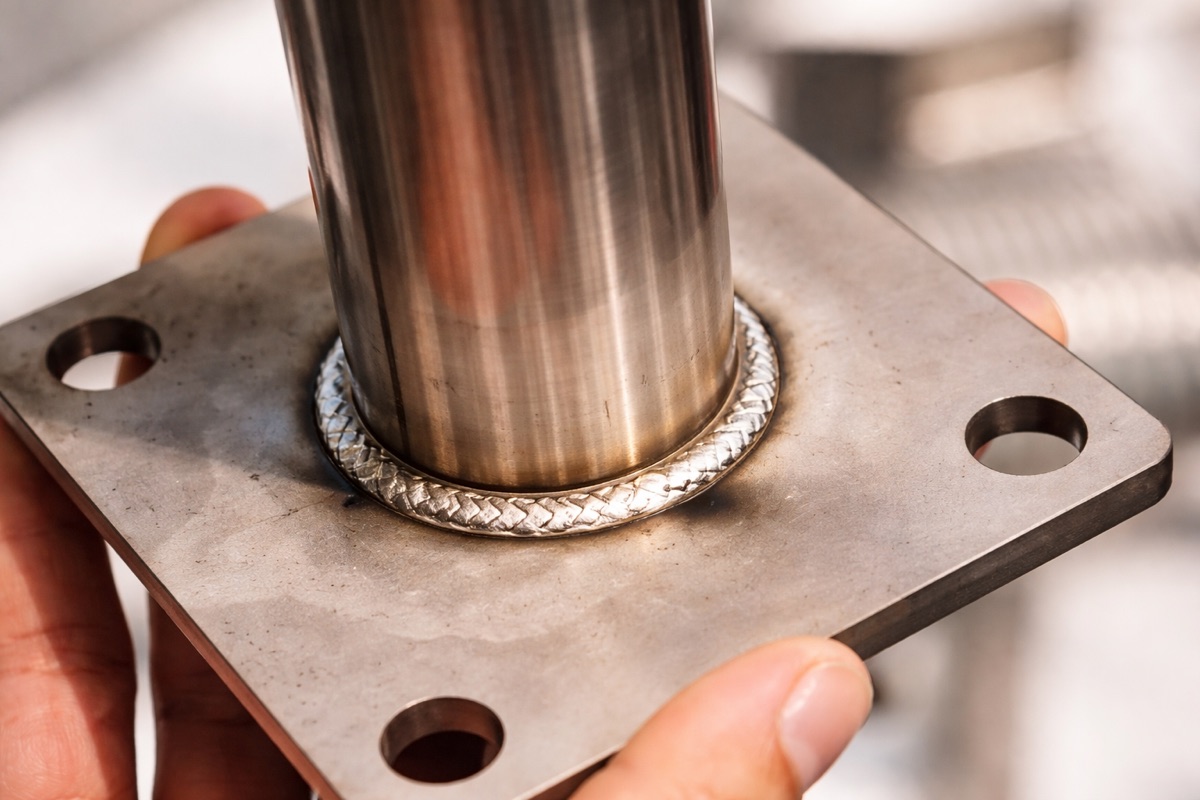 Stainless steelCommon architectural and food-grade stainless, including brushed and mirror-finish sheet. Ideal for visible seams on letters, trays, counters and hardware — the narrow bead keeps polishing time down and heat tint to a minimum.
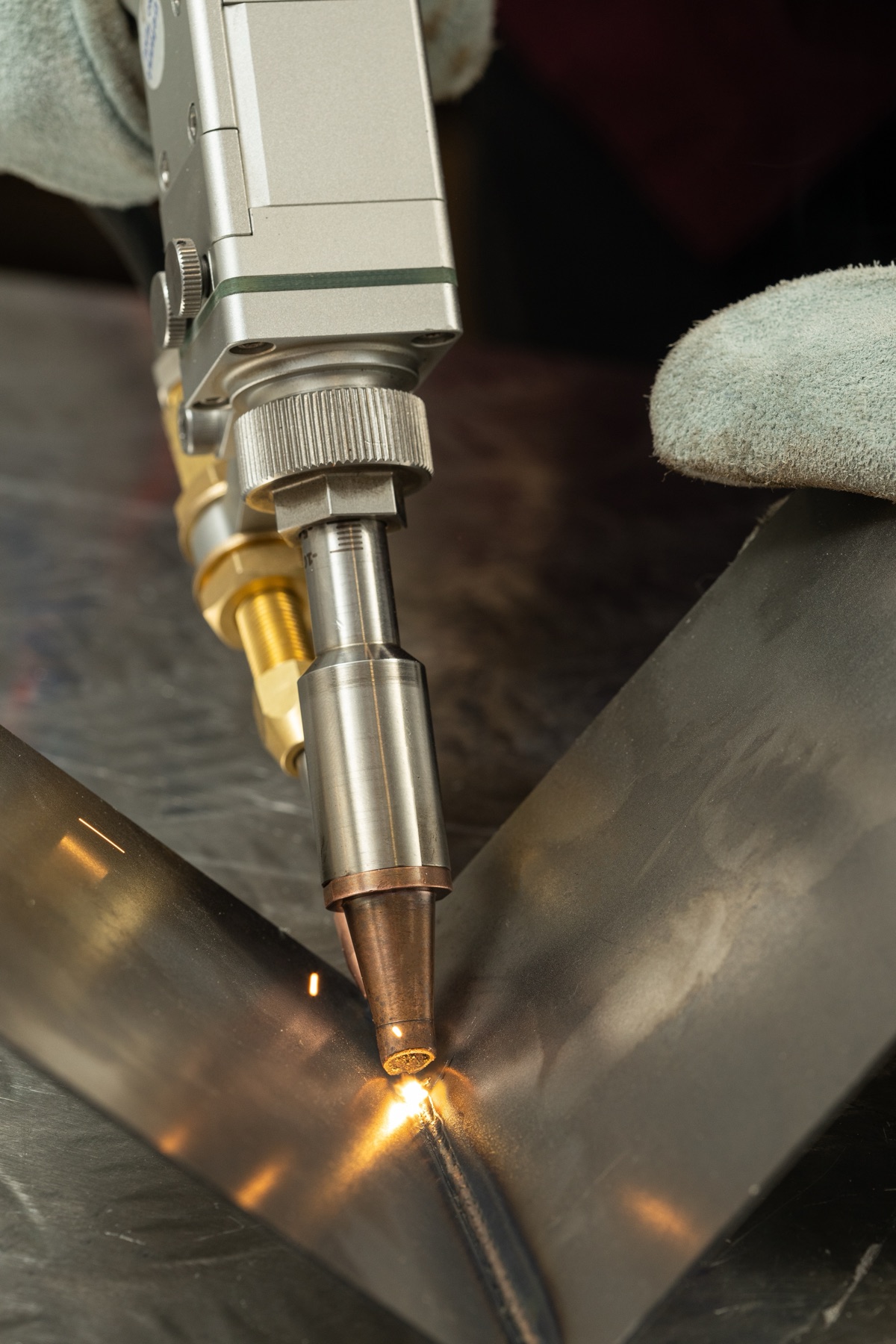 Mild steelLaser-cut brackets, plates, frames and stiffeners welded ready for powder coating or 2-pack painting. Low distortion keeps fabricated steelwork flat and square, which shows up directly in easier finishing and better fit on site.
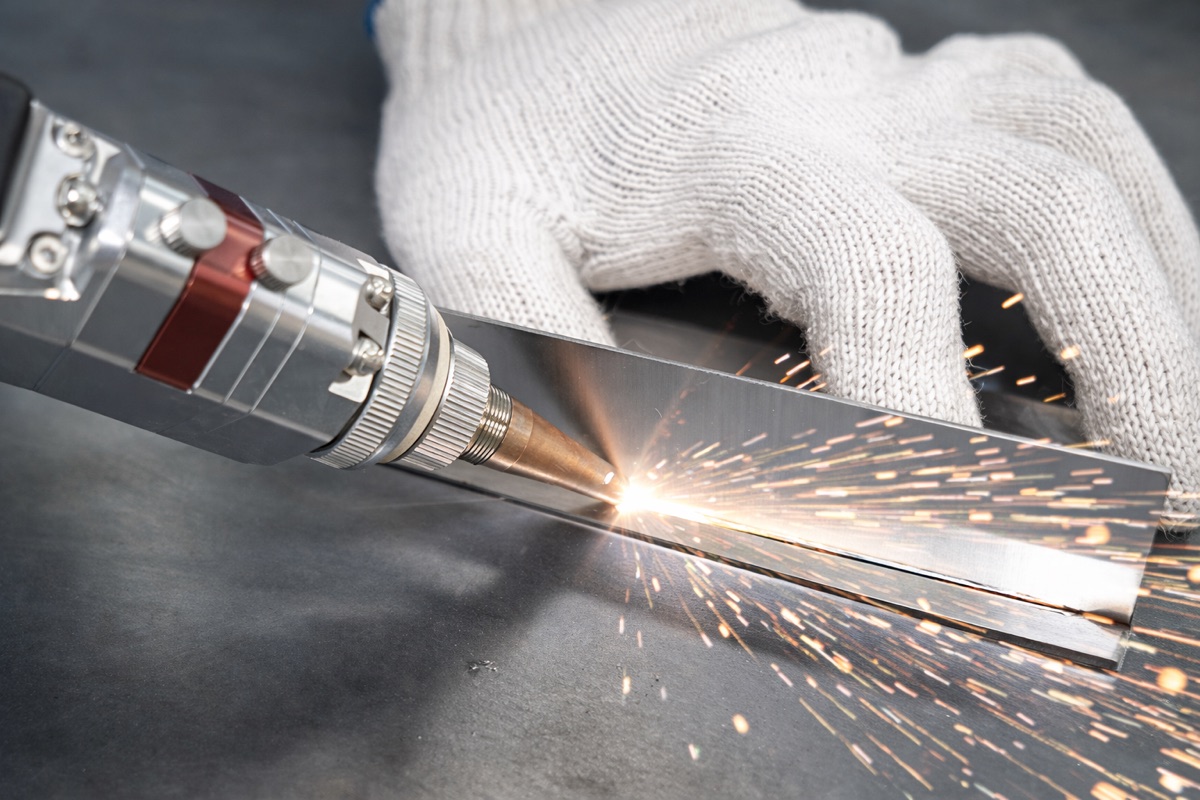 AluminiumSuitable aluminium grades for panels, trims, brackets and lightweight assemblies. Aluminium is the most process-sensitive of the three, so we assess grade and joint design job by job and confirm with a sample weld where needed.
How a laser welding job runs
Most welded work starts as flat parts on our fiber laser. Cutting and welding under the same roof means the joint design is considered before anything is cut — tab-and-slot locations, folded returns and weld access are built into the flat pattern, so parts self-locate on the bench and the welder is joining components that already fit.
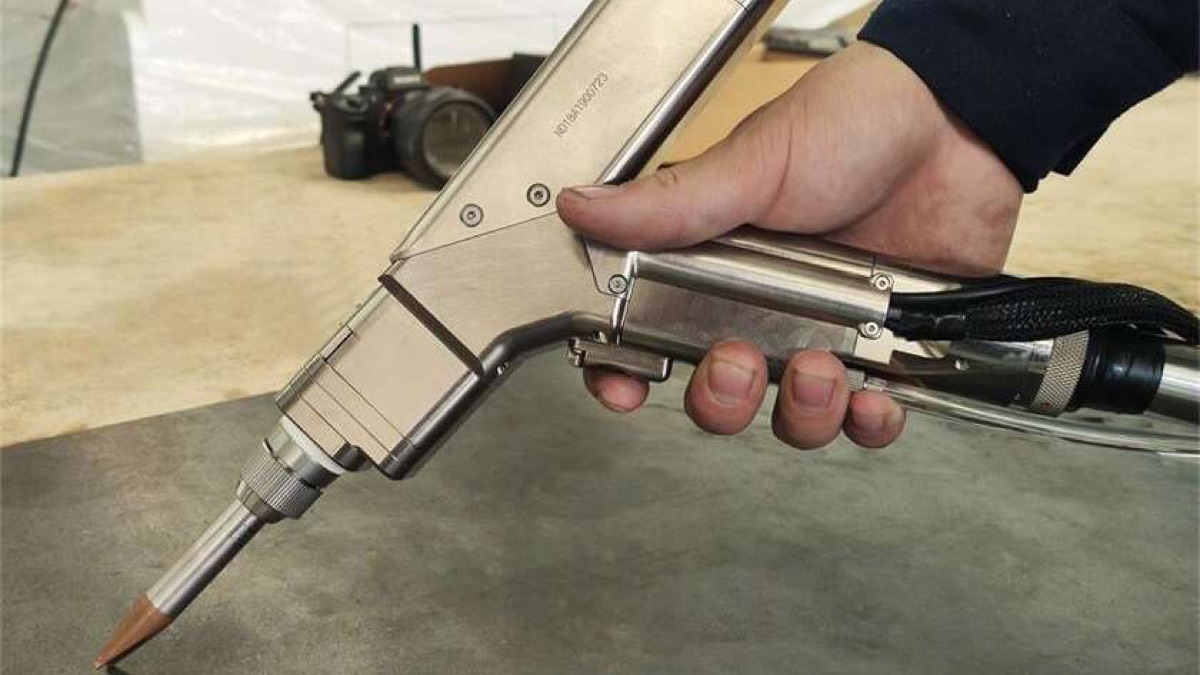
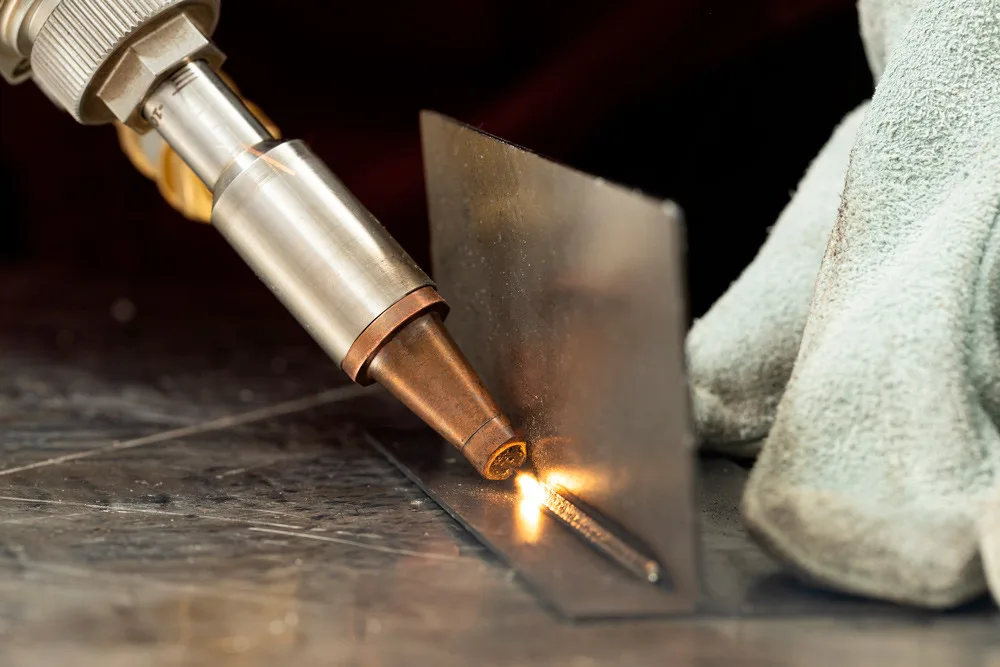
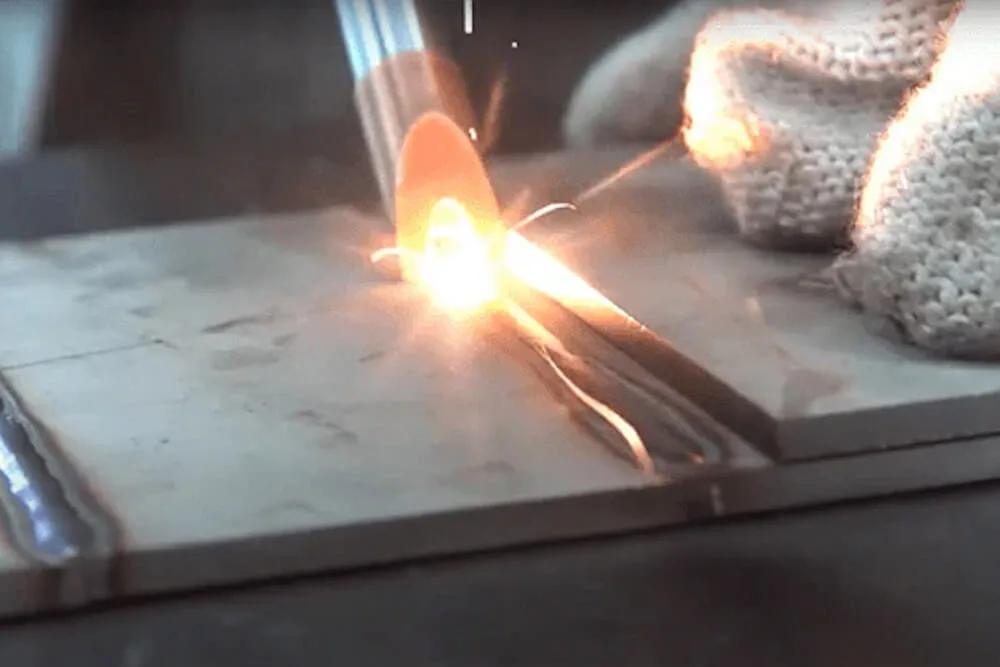
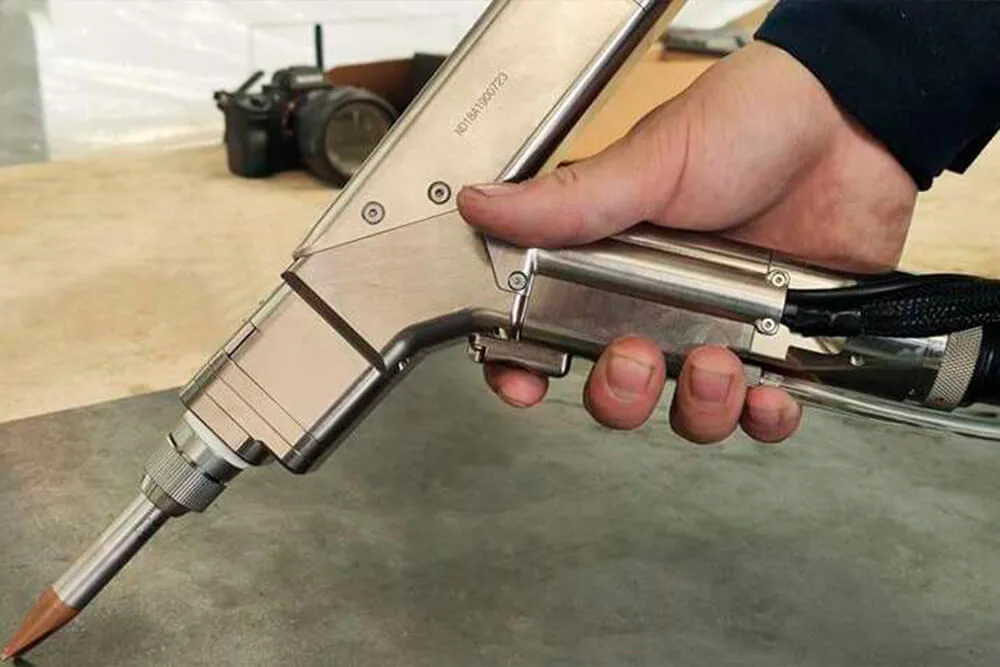
The welding itself is a handheld fiber laser process. The operator guides the weld head along the joint while the machine controls the energy going into the metal, producing butt, fillet and lap welds with a narrow, even bead. Compared with MIG or TIG, there is markedly less spatter, less smoke and far less heat spread into the surrounding panel.
After welding, parts move straight to finishing. Seams on visible faces are dressed as required, then assemblies can go to 2-pack painting in the same workshop, or out for powder coating, before dispatch. Because handling stays in-house from sheet to finished assembly, lead times are short and accountability is simple.
For repeat and production work, the first-article part becomes the reference: jigs, settings and the inspection routine are kept on file so subsequent batches are welded to the same standard without re-proving the job each time. Trade clients and procurement teams use this for ongoing supply of the same welded components across a program of work.
Who we weld for
Signage is where the workload started, but the welding bench serves a far wider mix of clients. If your job involves sheet-metal components that must be joined cleanly, stay flat and arrive finished, it belongs here.
Getting a laser welding quote
The fastest path to an accurate price is detail. Tell us the material and grade, the gauge, quantities, and what the finished assembly needs to do — and send whatever you have: a drawing, a DXF or vector file, a photo of an existing part, or even a marked-up sketch. Weld lengths and joint locations help, but if you are not sure, describe the outcome and we will propose the joint design.
If the parts are not yet drawn, we can produce cut-ready files from clear sketches or sample parts as a quoted drafting step. For batch and repeat work, tell us expected volumes up front — jigging that would not be worth building for a one-off often pays for itself across a production run, and is better designed in from the start.
All welding is completed in our Botany workshop in Sydney; we do not weld on site. Finished assemblies are available for pickup or delivered Australia-wide.
Recent work from the workshop
Common questions
Which metals can you laser weld?
Stainless steel and mild steel routinely, along with aluminium where the grade suits the process. Include the material specification with your enquiry and we will confirm suitability — with a sample weld if there is any doubt — before quoting.
Will thin sheet distort?
Far less than with conventional welding. The heat input is low and concentrated at the joint, so panels stay flat and long seams hold their line — which is exactly why the process suits visible signage, architectural work and precision brackets.
Do welded parts need much finishing?
Seams come out narrow and consistent with very little spatter, so most work needs only light dressing before paint, polish or brushing. 2-pack coating is available in the same workshop, and parts can be supplied ready for powder coating.
Can you cut and weld the same job?
Yes — that is the standard workflow. Components are fiber-laser cut and welded by the same production team, with joint design considered at the cutting stage so parts self-locate and tolerances stay tight.
How does laser welding compare with TIG or MIG?
For thin and medium-gauge sheet it is cleaner and cooler: less distortion, less spatter, a narrower bead and less post-weld grinding. Heavy structural welding is a different discipline — see below.
Is structural steelwork part of the service?
No — the workshop concentrates on sheet-metal fabrication: letters, trays, enclosures, brackets, frames and light assemblies — not structural members or certified structural welding.
Can you handle repeat and batch production?
Yes. Once a job is proven, the settings, jigs and inspection routine are kept on file so every subsequent batch is welded to the same standard. Many trade and procurement clients reorder the same welded parts on an ongoing basis.
Do you weld on site?
No — all welding happens in our Botany workshop in Sydney. Finished assemblies are collected from us or delivered Australia-wide.
What should I send for a quote?
Material and grade, gauge, quantity, and any drawings, vector files, photos or sketches of the finished assembly. If nothing is drawn yet, we can quote a drafting step to produce cut-ready files from what you have.