
In-house production
Knife Digital Cutting
Cold, blade-based cutting for the materials lasers and routers treat poorly — foam, rubber, vinyl, felt and packaging board. Through-cut, kiss-cut and crease on a 3000 × 1500mm flatbed with camera registration, for signage clients, packaging producers, gasket buyers and trade fabricators alike.
Request a quote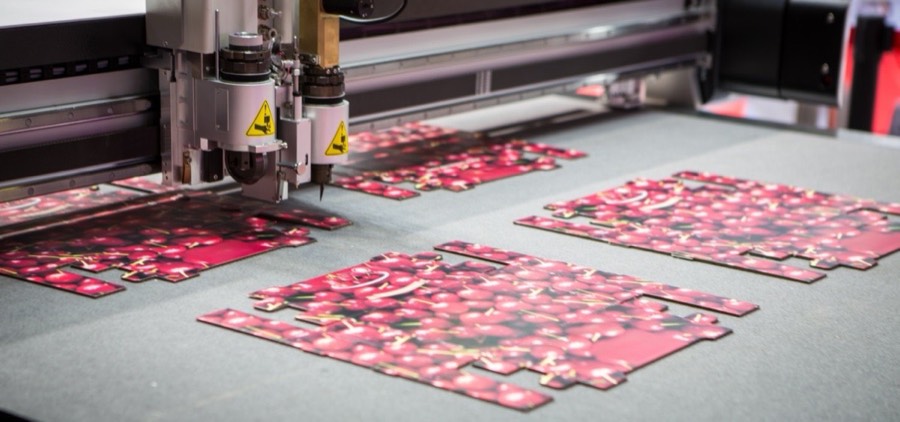
Cutting without heat, tooling or dust
A digital knife cutter drives a blade along the artwork path instead of burning or machining it. Because the process is cold, edges stay clean on materials that scorch under a laser or tear on a router — foams, rubbers, flexible sheet, felt and printed board come off the bed ready to use, with no fumes and no melted edge.
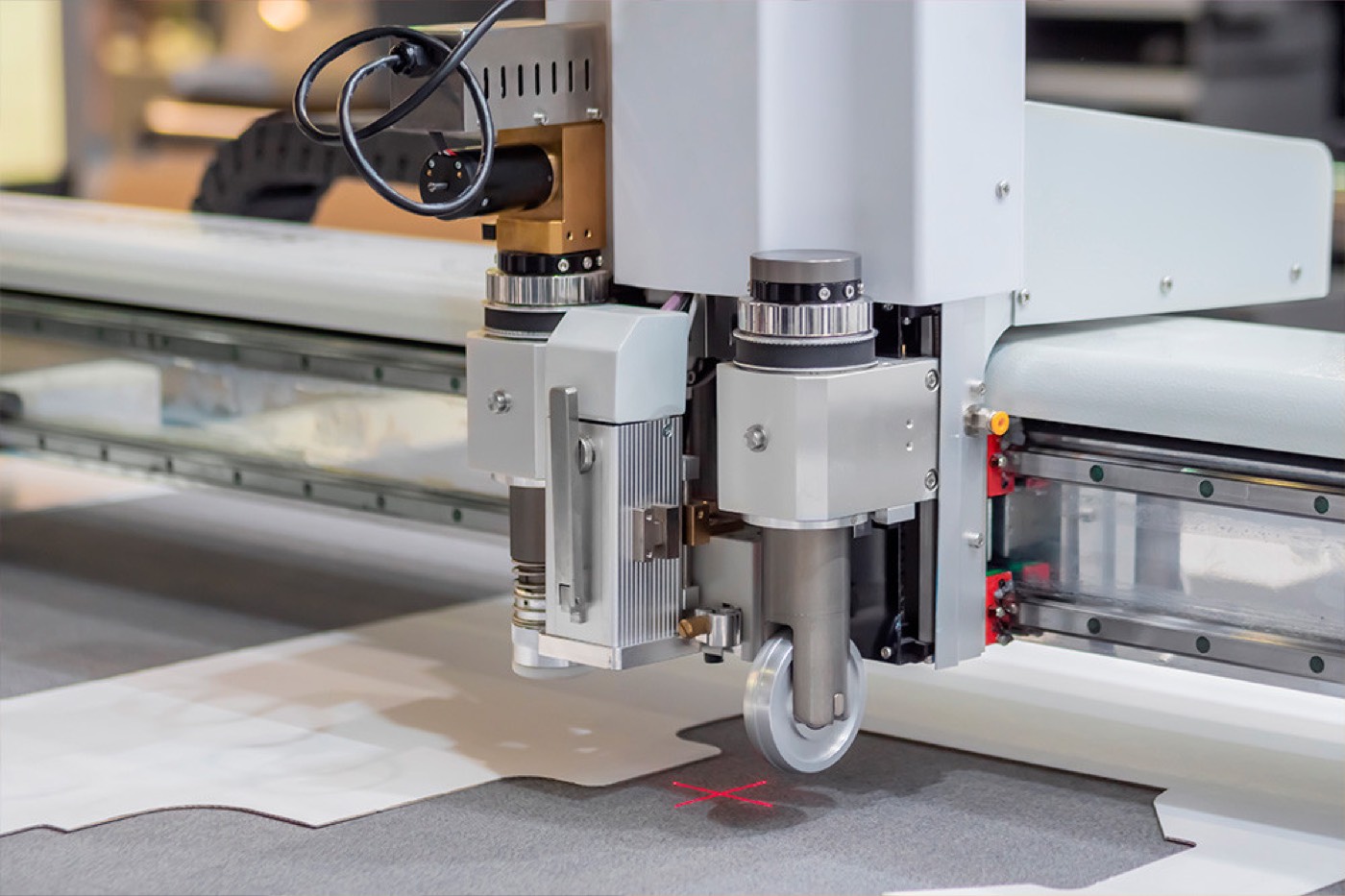
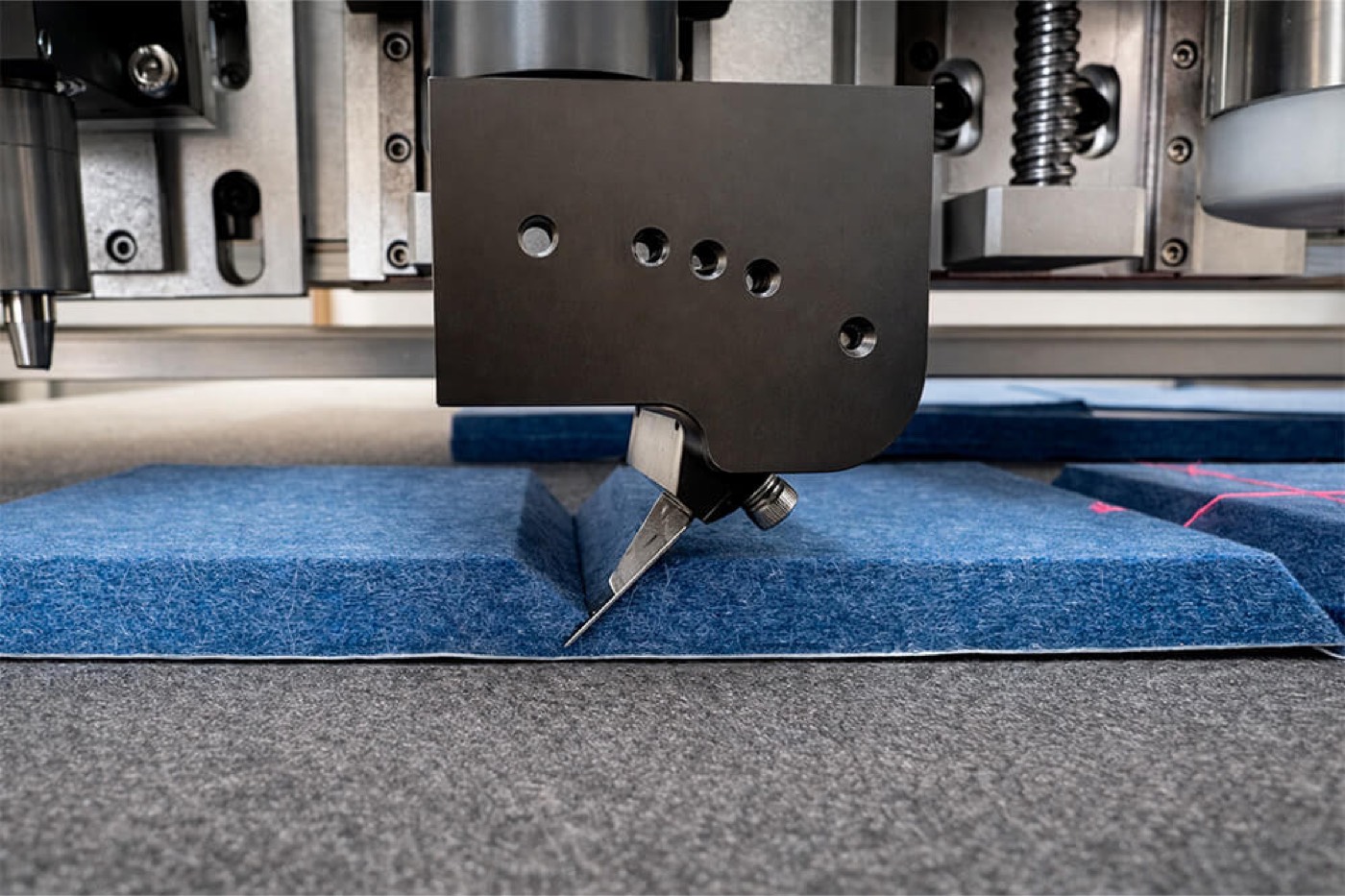
The machine carries interchangeable tooling: an oscillating knife for thick, dense material, a drag knife for fine detail in thin sheet, a creasing wheel for fold lines in packaging board, and kiss-cut depth control that cuts self-adhesive vinyl while leaving the backing liner intact. Cut, crease and kiss-cut combine in a single pass over the same sheet.
Camera registration reads printed marks before cutting, so contour-cut displays, decals and packaging line up with the artwork every time. The same file drives every repeat, which is what makes short-run packaging, gaskets and display components economical — no dies to make, store or maintain, and a design revision is just an updated cut file.
That matters to more than signage buyers. Engineering and maintenance teams order gasket sets the same way a retailer orders POS displays: send the drawing, approve the sample, reorder to the identical file. Packaging producers use the bed for pilot cartons before committing to die tooling; shopfitters for felt, liner and trim components.
Where a job suits a different process, it moves to the right machine in the same workshop — rigid boards to CNC routing, acrylic and timber to CO₂ laser cutting, sheet metal to fiber laser — so every part lands on the machine that produces the best edge.
What we cut on the flatbed
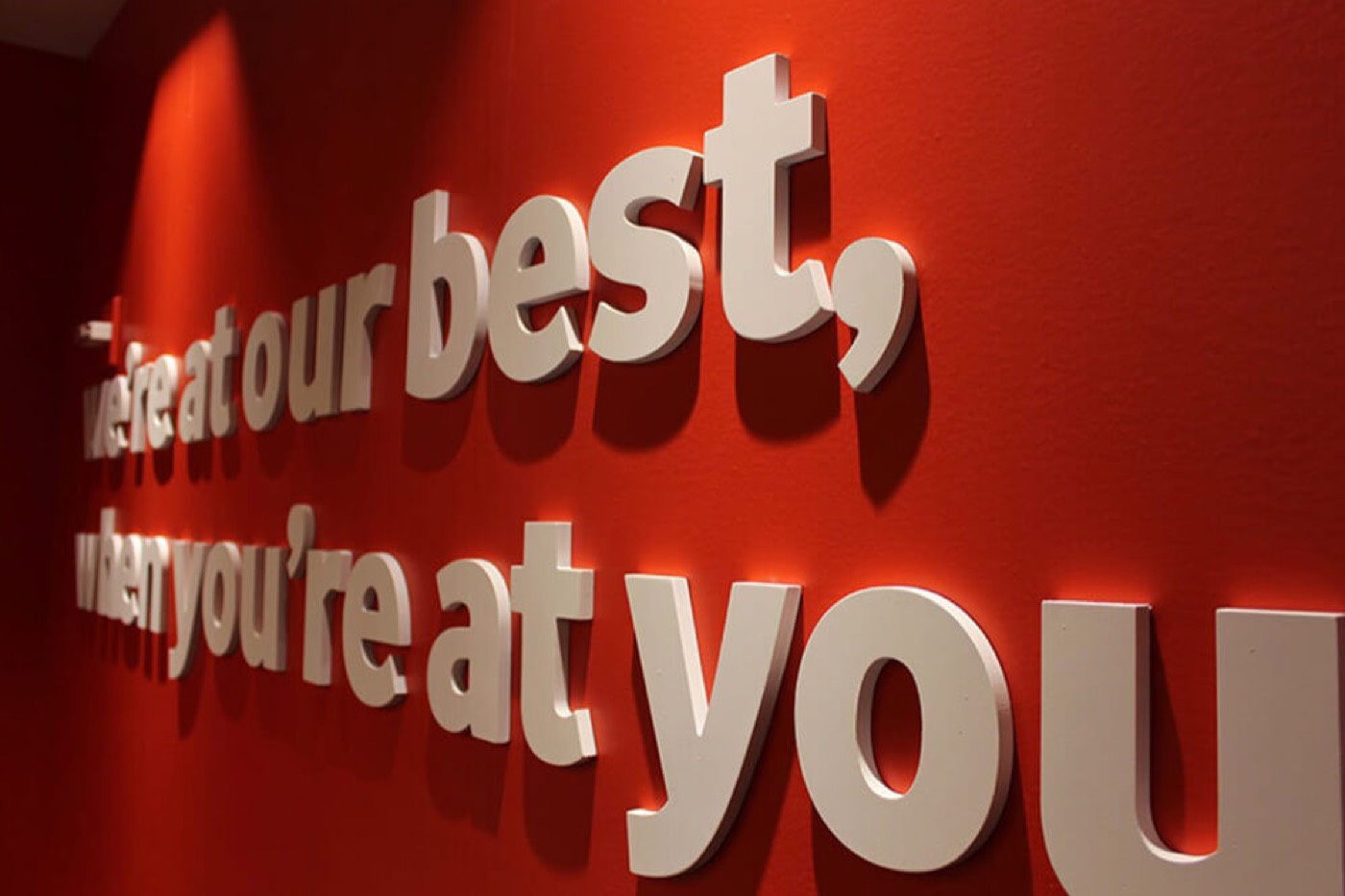
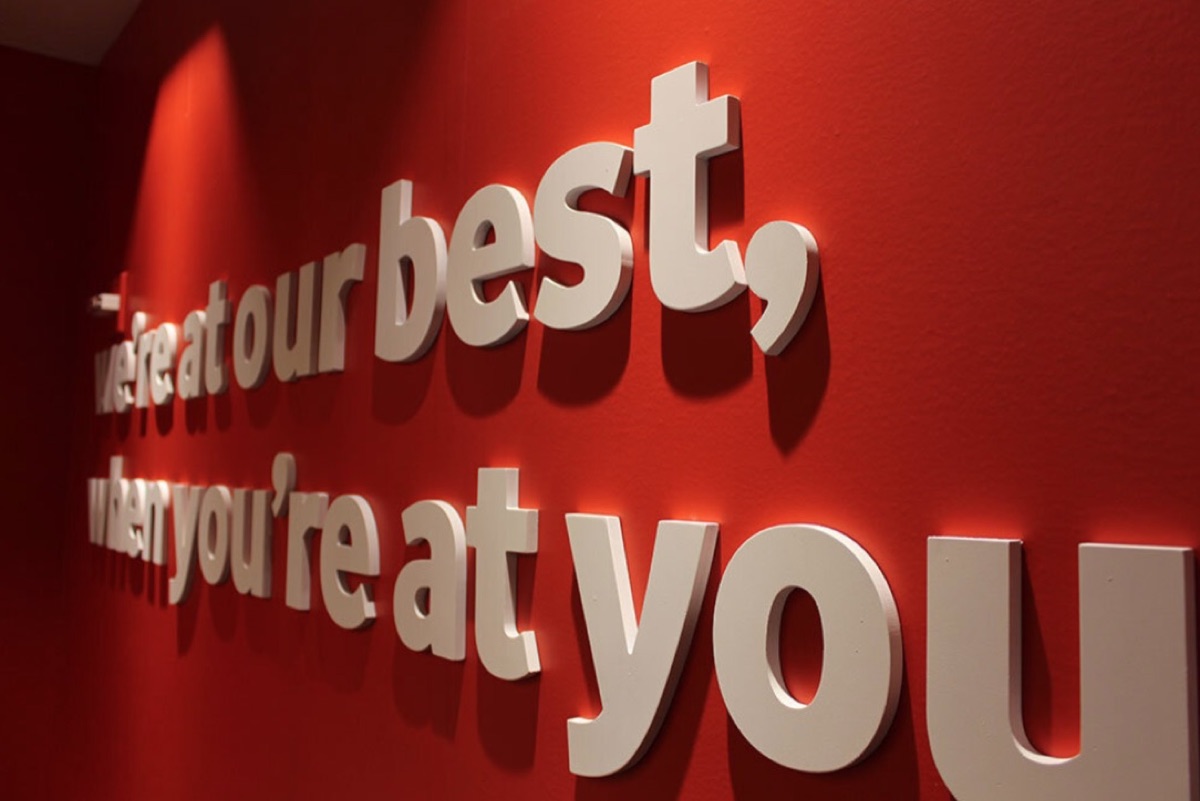 Foam & insertsCase inserts, display letters and protective packaging cut cleanly through soft, thick material — machine clearance up to 50mm, dense stock confirmed by sample testing.
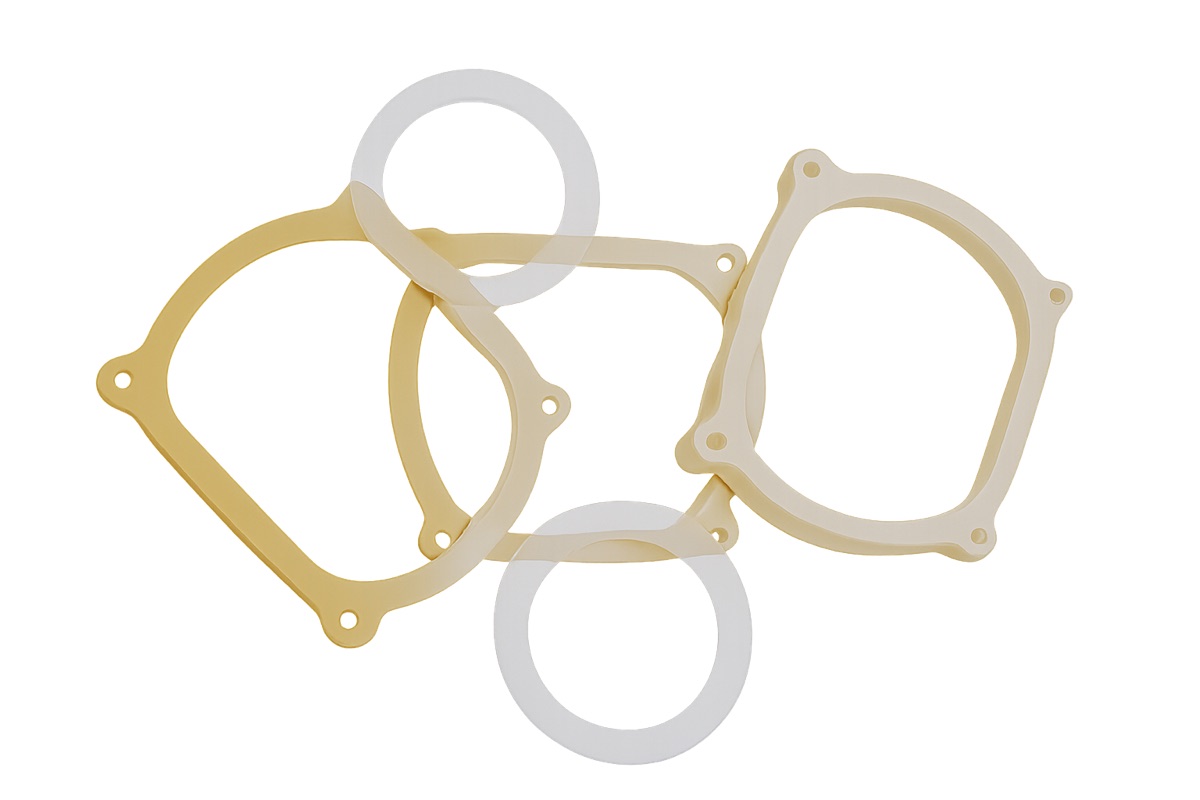
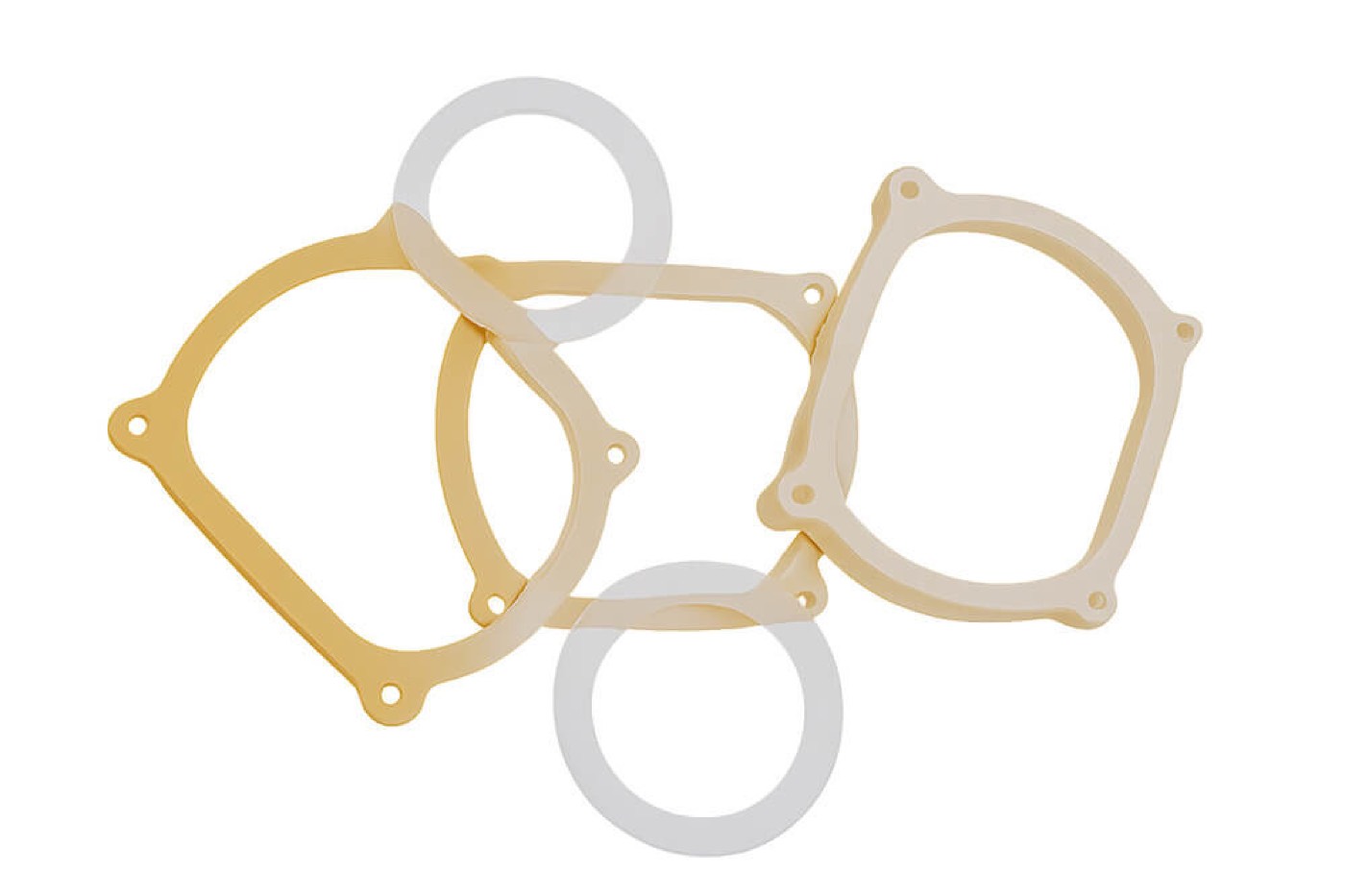
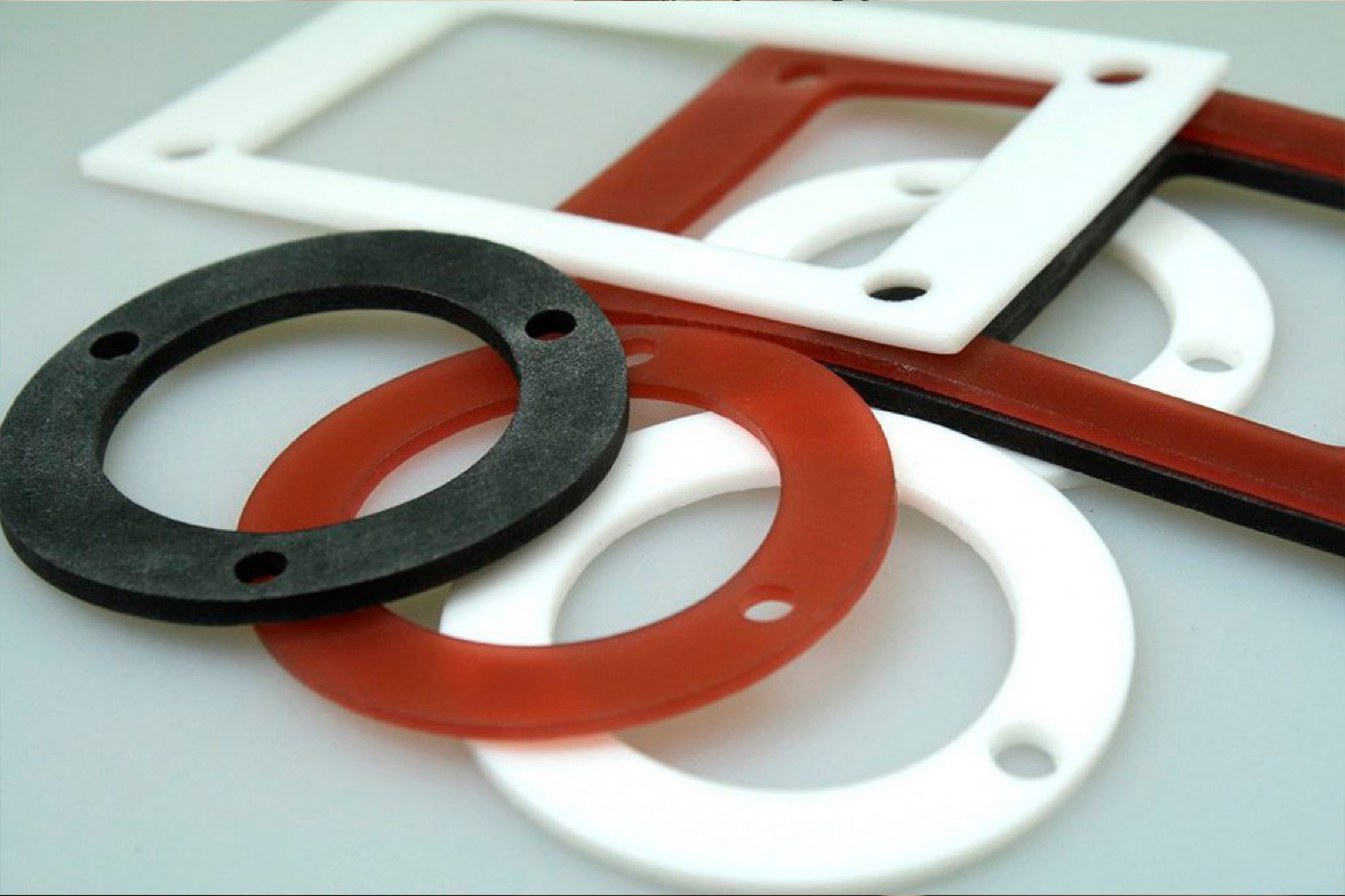
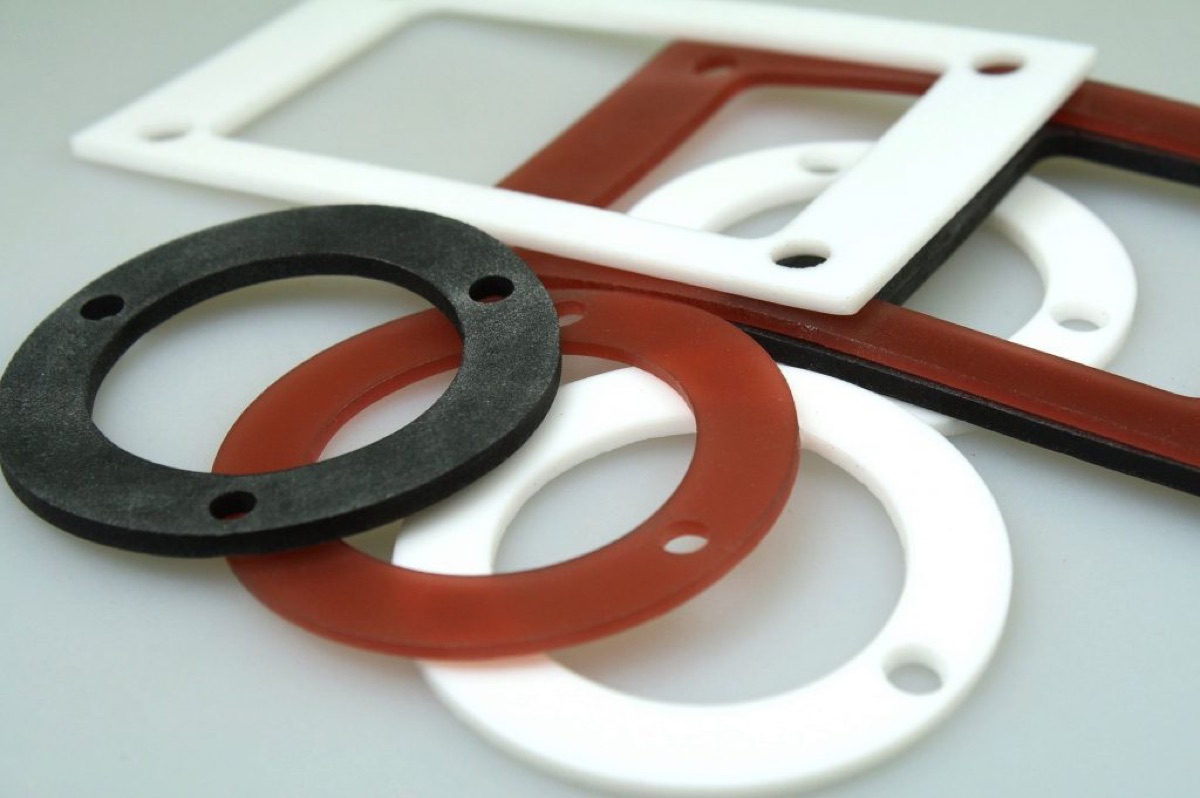 Gaskets & sealsSilicone, neoprene, nitrile and EPDM rubber, cork and CNAF gasket profiles cut without heat-affected edges — one-off replacements through to scheduled batch runs.
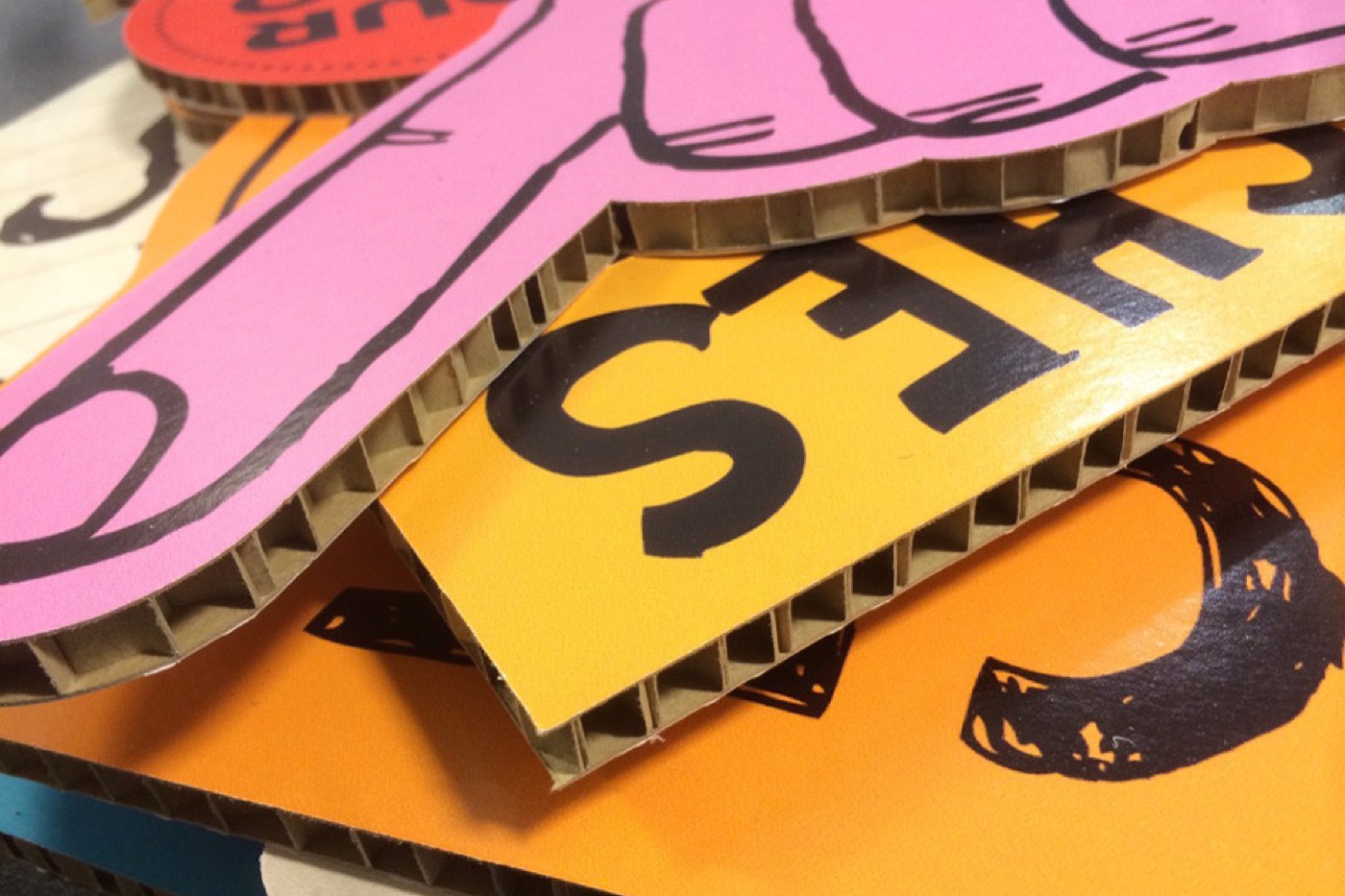
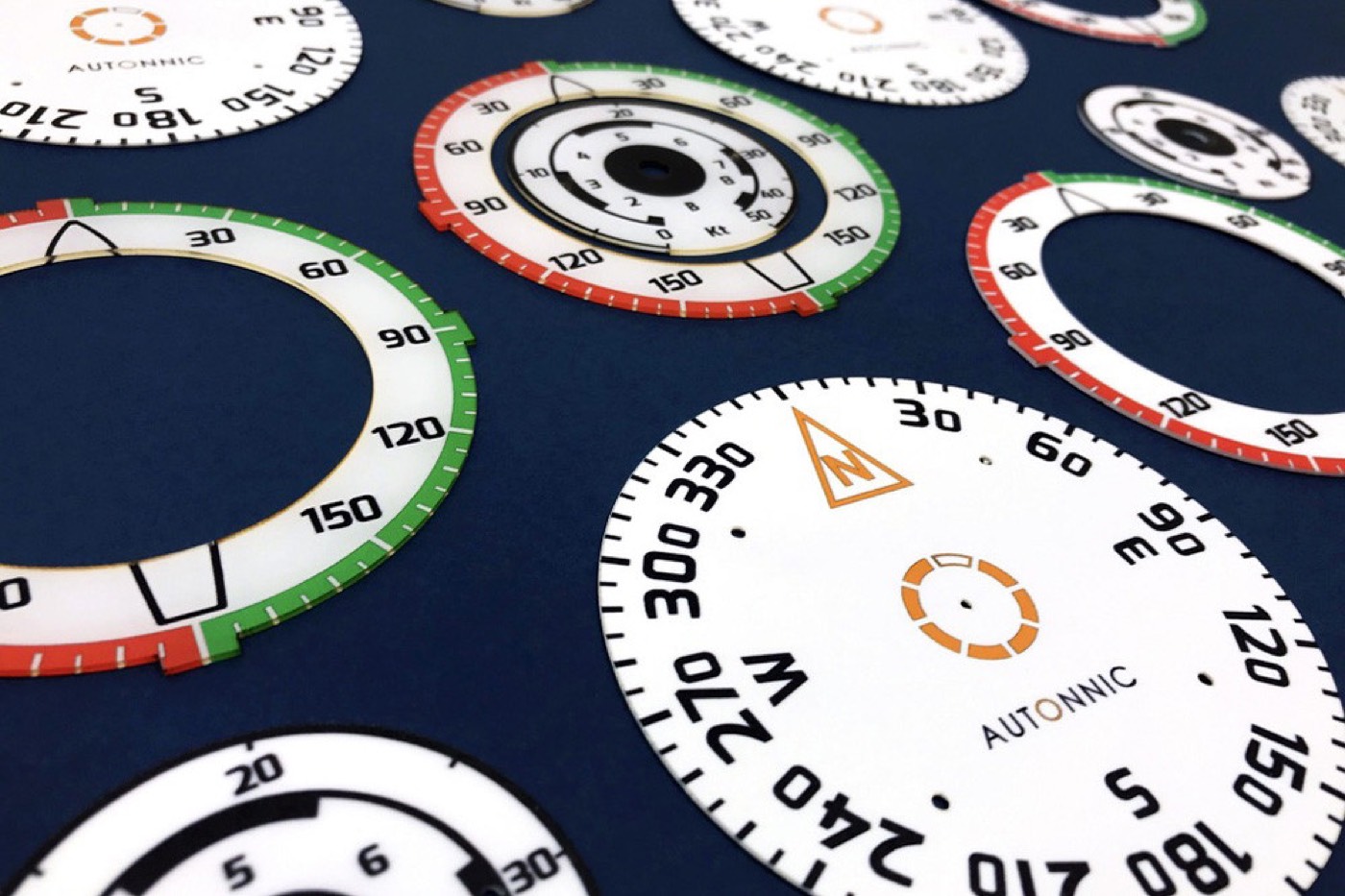
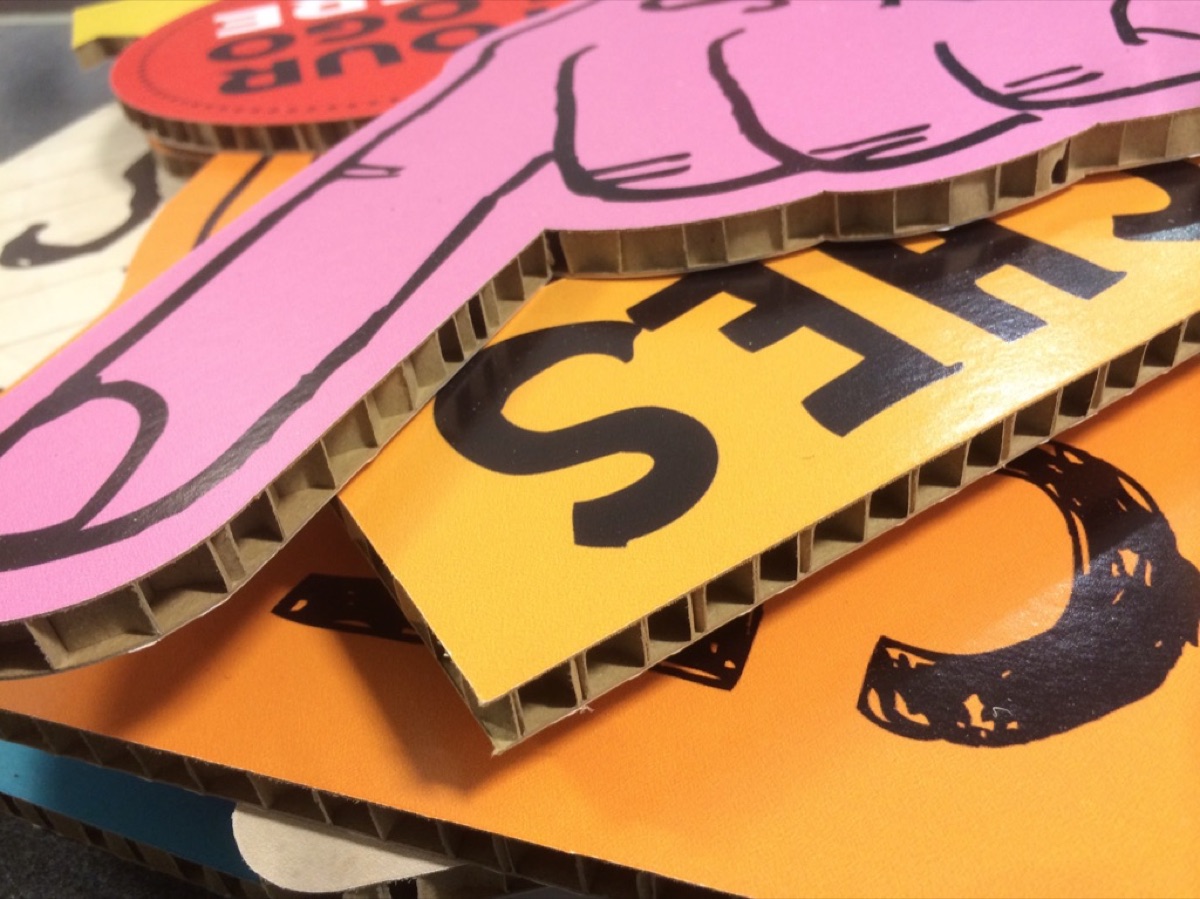 Printed displaysContour-cut honeycomb board, corflute and cartonboard POS displays registered to the print with camera accuracy, so the cut follows the artwork on every sheet.
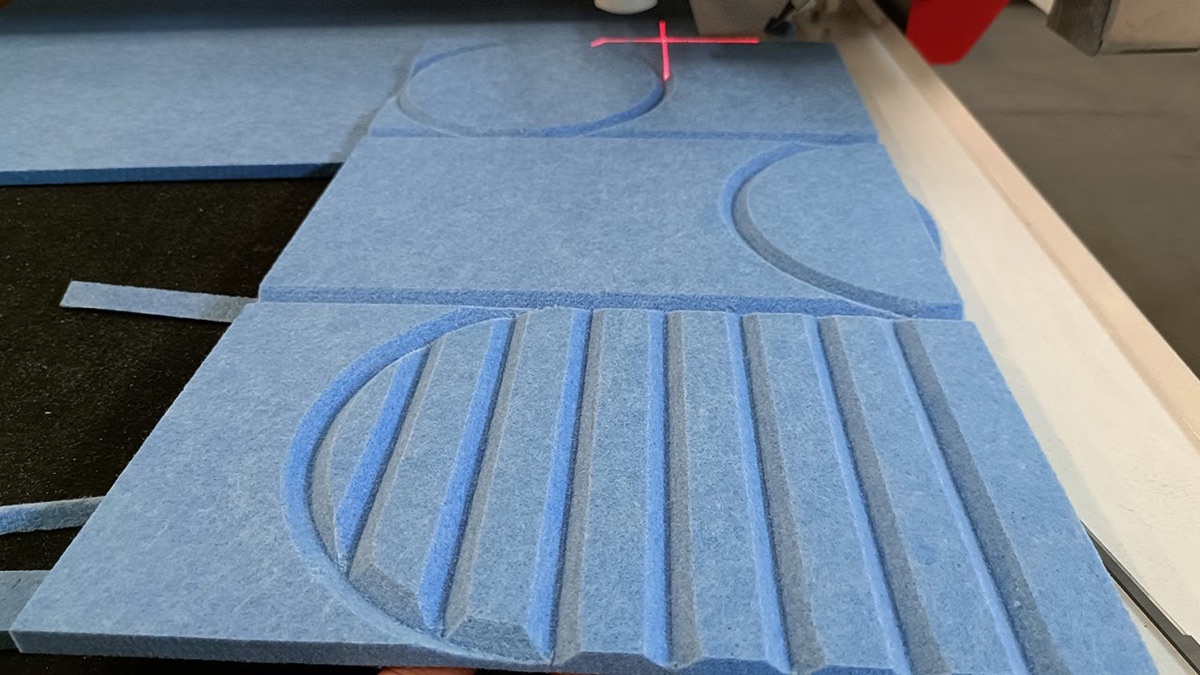
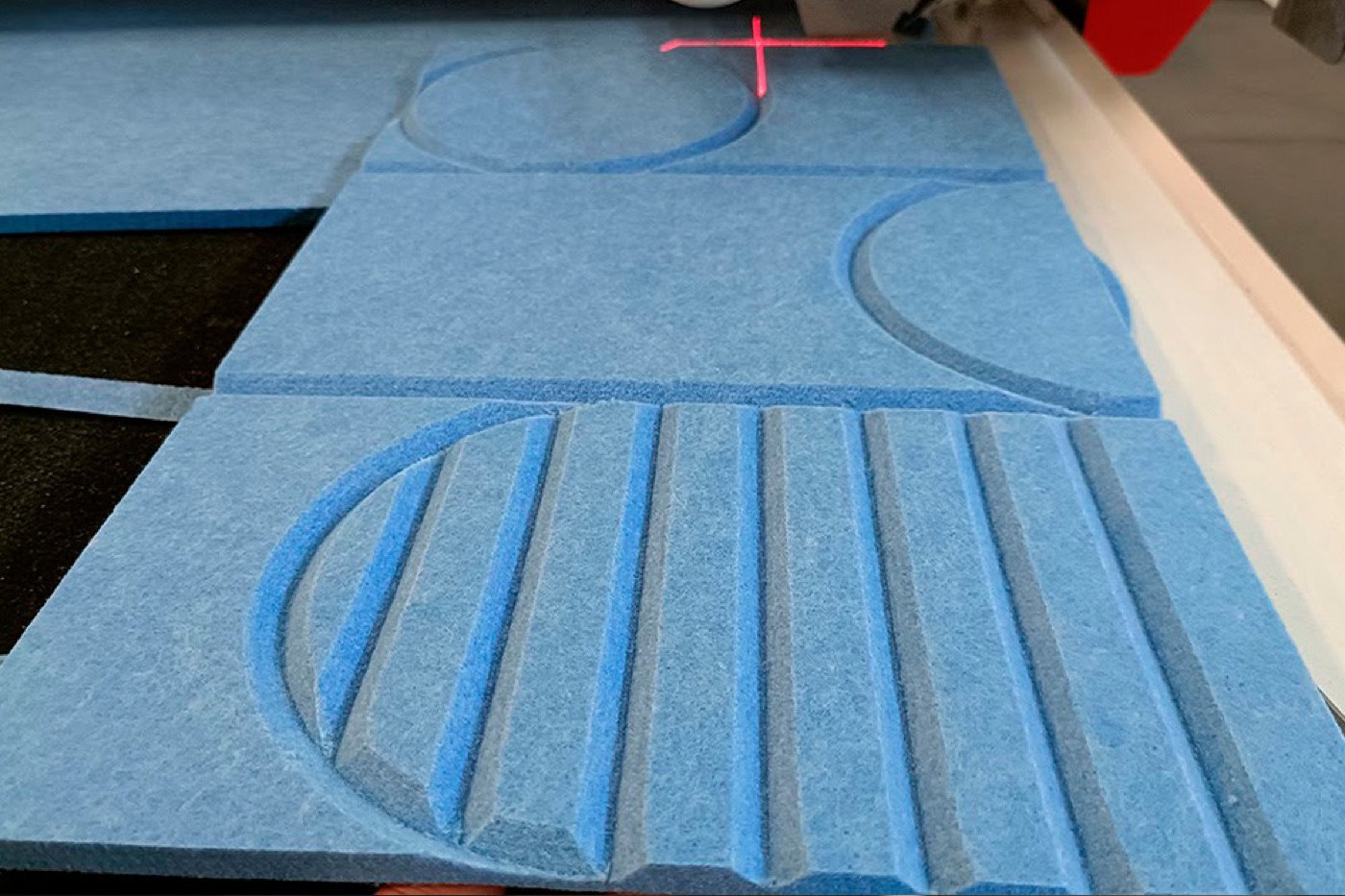
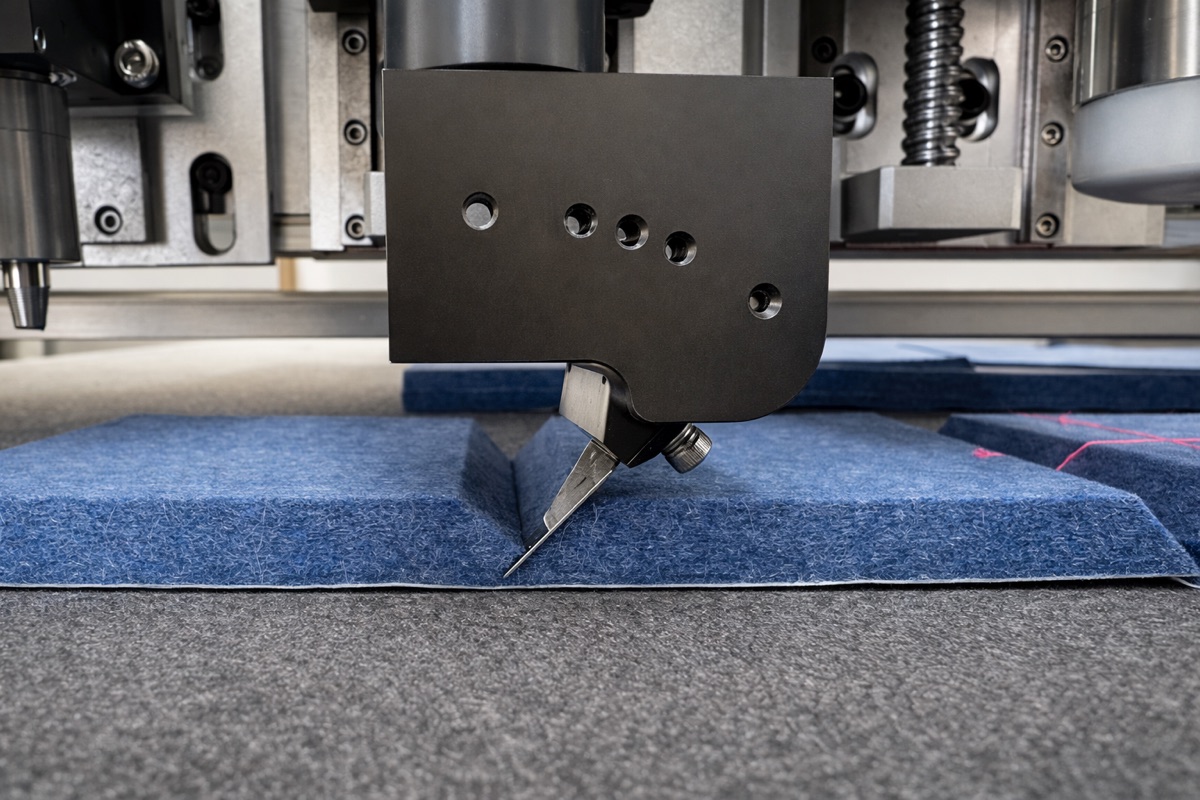 Felt & textilesAcoustic felt panels, baffles and fabric components cut with a clean, fray-resistant edge — no melting, no discolouration, ready for interior fitouts.
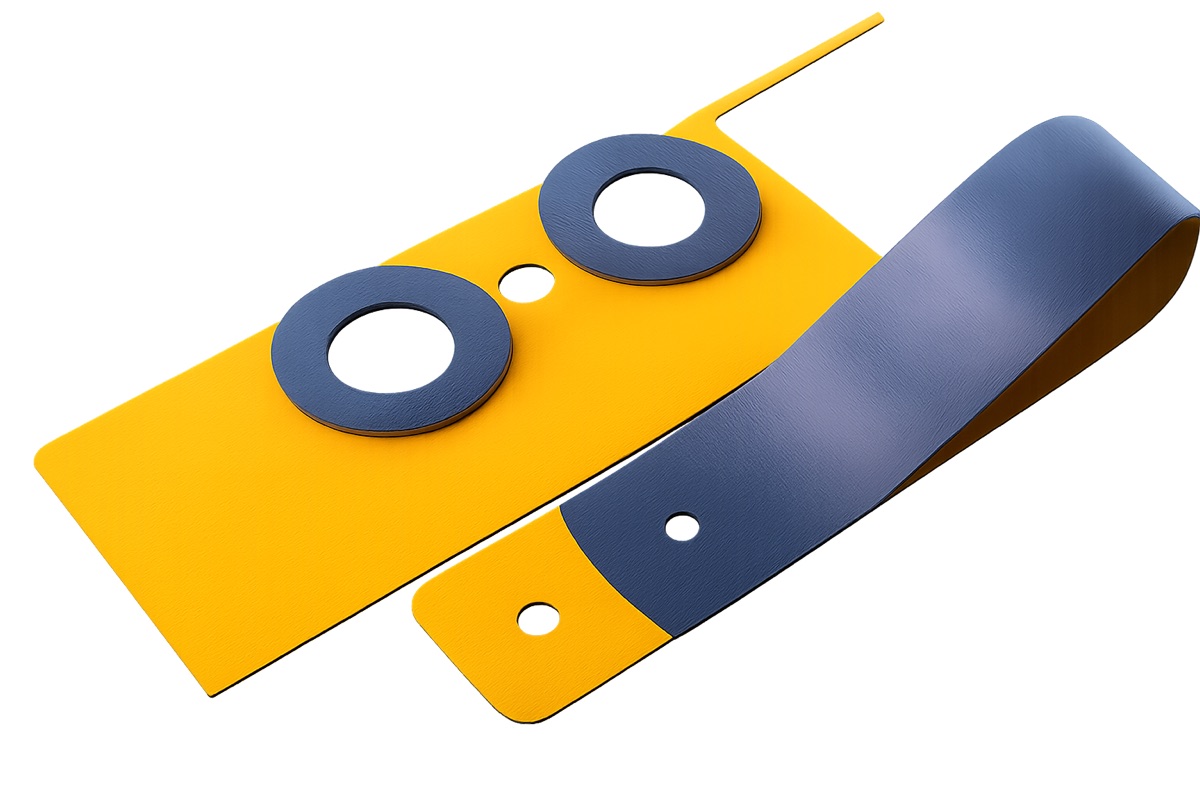
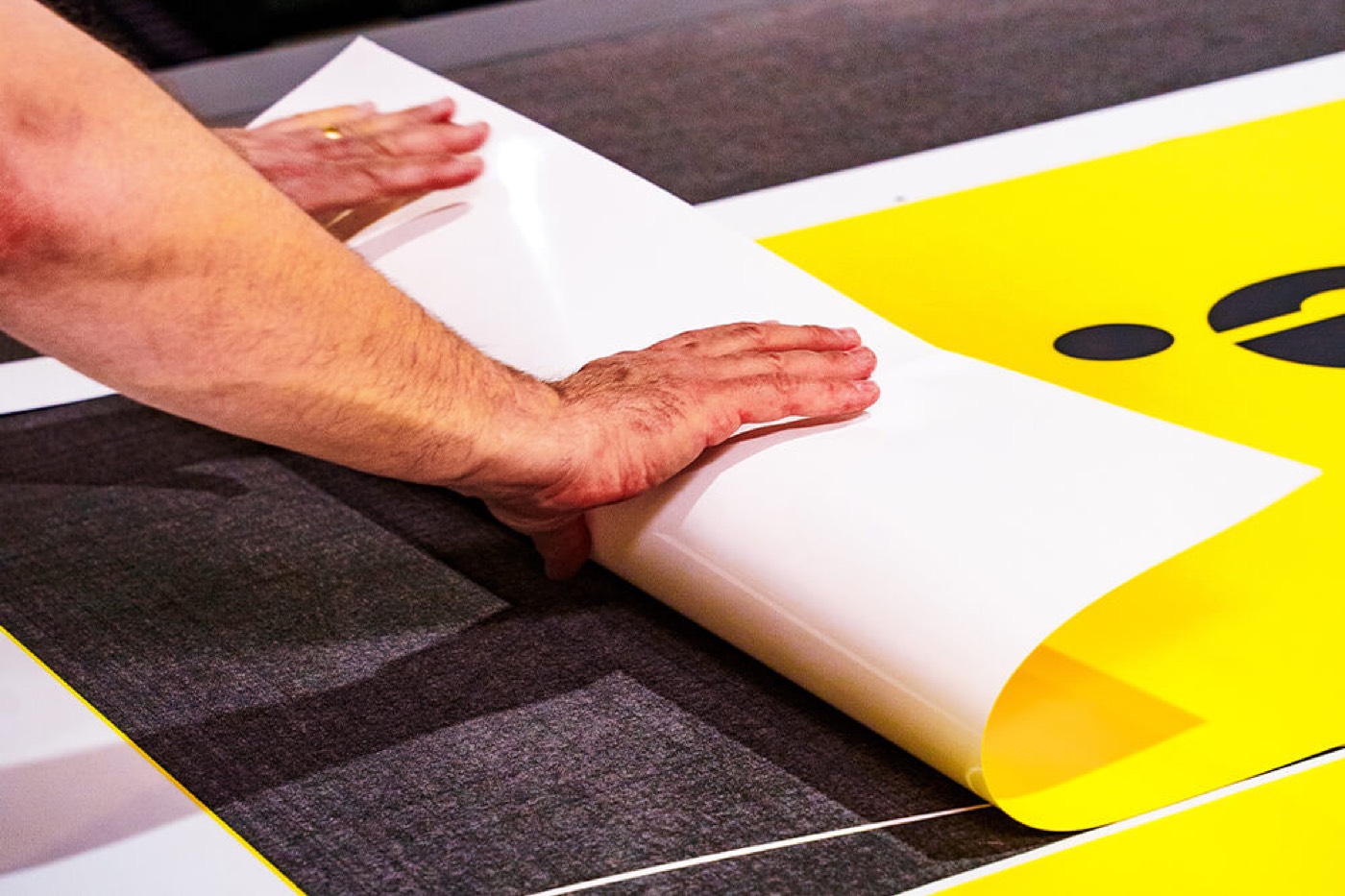
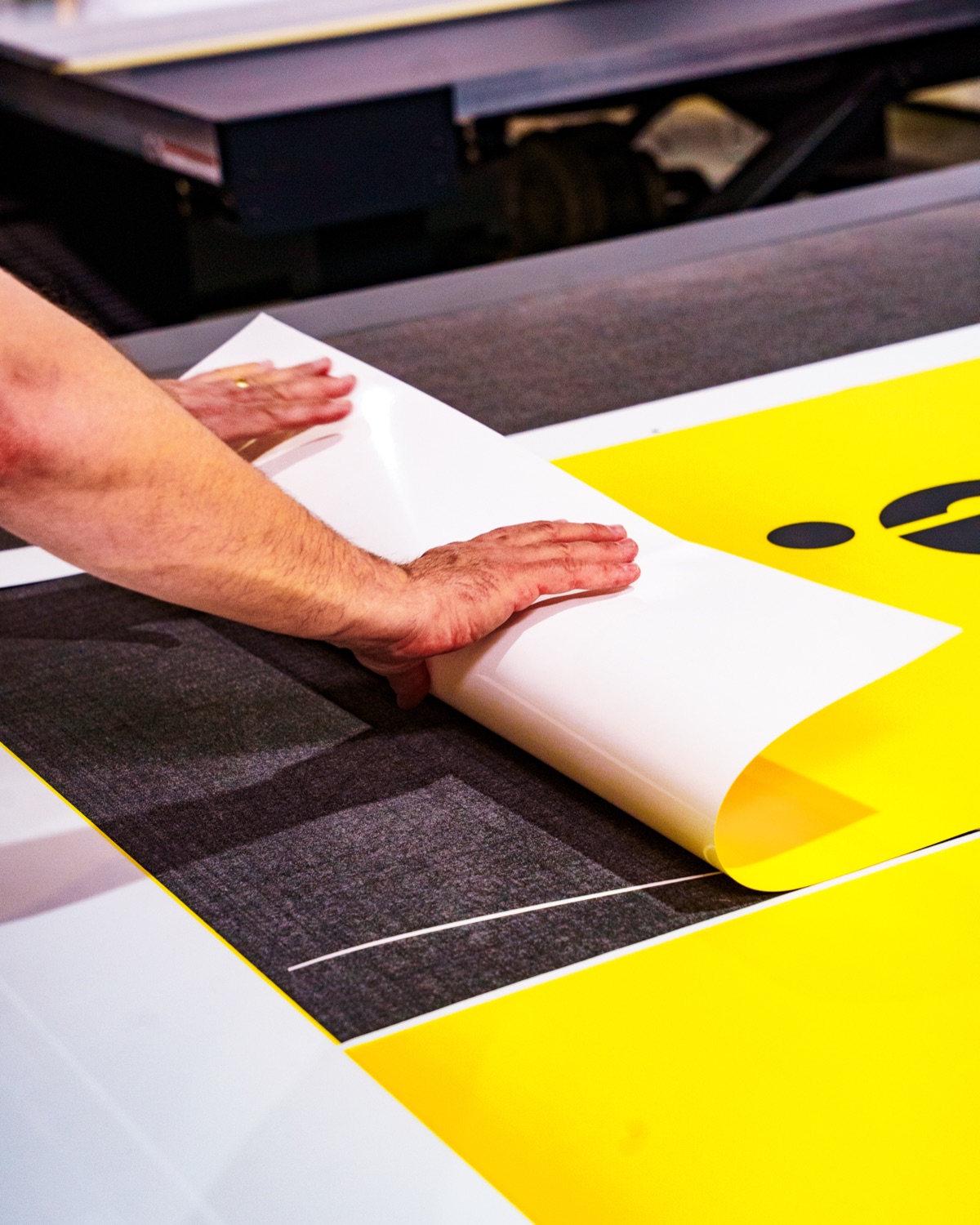 Vinyl & flexible sheetThrough-cut and kiss-cut self-adhesive vinyl for decals, labels and stencils, weeded and finished ready to apply.
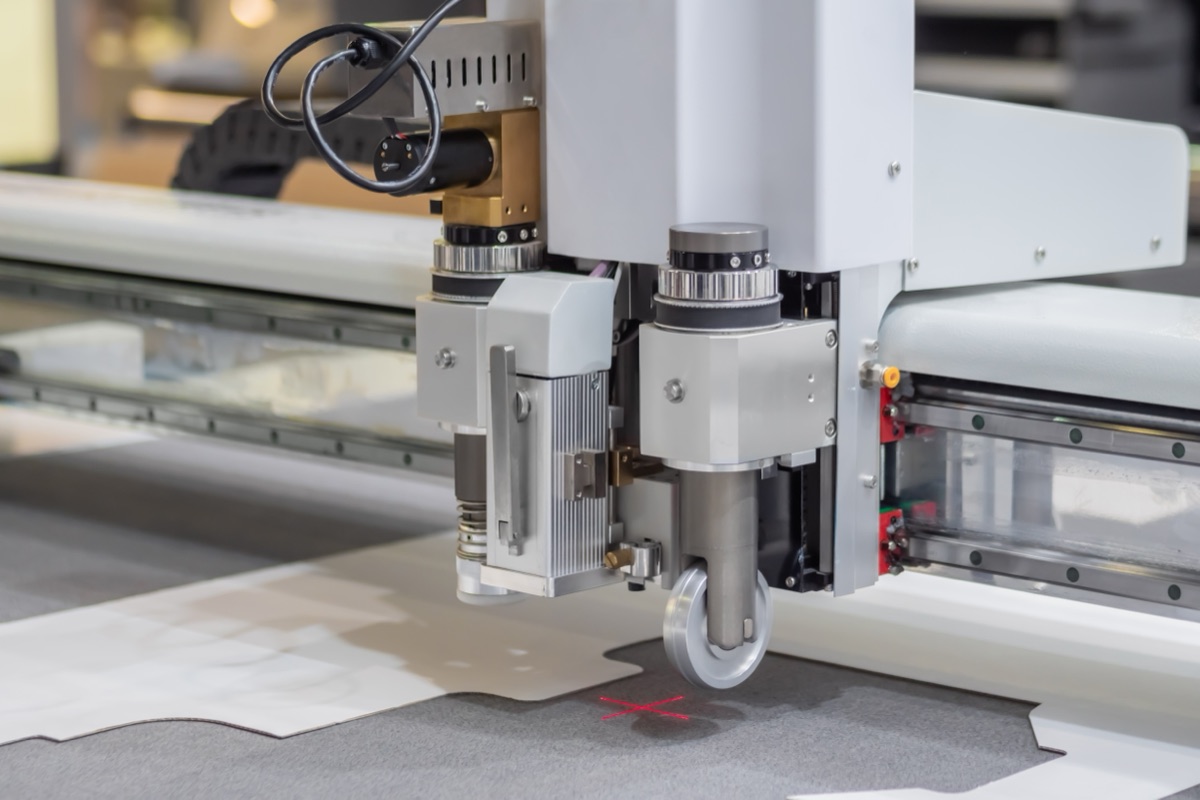 Packaging boardCrease and cut in one pass for boxes, sleeves and presentation packaging — pilot samples through to production runs, without die tooling.
How a knife-cut job runs
Every job starts from a vector file. Cut lines, crease lines, perforations and kiss-cut paths sit on separate layers or colours, so each path maps to the correct tool. We check the geometry — closed paths, no duplicates, correct scale — before anything touches material, and flag features that will be fragile at cut stage, such as very fine unsupported tabs in soft stock.
Parts are then nested across the sheet to keep waste down, which matters most on batch work: a mixed nest of several part types on one sheet usually beats running each part separately. For printed work, the camera reads registration marks on each sheet and adjusts the cut path to the print, so the cut lands on the artwork even if the print has drifted slightly.
Because the blade is cold, there is nothing to cure, cool or clean afterwards. Gaskets go straight into service, packaging samples straight to the client, printed displays straight to packing — and where a job carries downstream work, printing, 2-pack painting and assembly happen in the same workshop.
Materials and thickness guidance
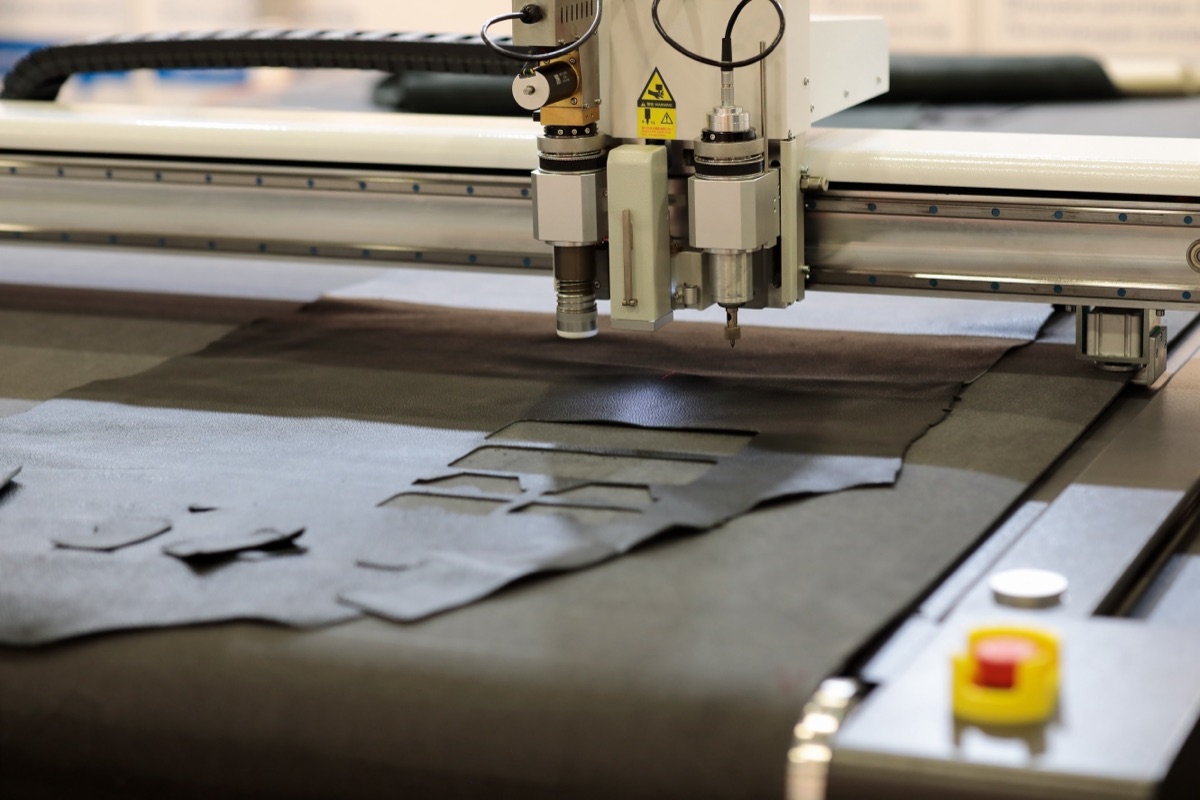
The flatbed takes sheets up to 3000 × 1500mm with machine clearance up to 50mm. Clearance is not a guaranteed cut thickness — how deep a blade cuts cleanly depends on the material's density and structure, so thick or layered stock is confirmed by sample testing before we quote.
Typical knife-cut materials fall into a few families: packaging boards and cartonboard, including corrugated and honeycomb-core sheet; foams for inserts and protective packing; rubbers and gasket materials such as silicone, neoprene, nitrile, EPDM, cork and CNAF; PET felt and textiles; and self-adhesive vinyl and thin films that should never see a laser. If your material is not listed, send the datasheet — suitability is quick to confirm.
Metals, glass and ceramics do not knife-cut. Sheet metal runs on our fiber laser; rigid plastics, timber and thick panels run on the CNC router or CO₂ laser — we confirm the right process before quoting.
We can supply common boards, foams, felts and vinyls, or cut customer-supplied sheets where suitable and safe to process. For gasket work, tell us the operating environment — temperature, compression, exposure — and we confirm the material grade before cutting.
Industries we cut for
Signage and display work built this capability, but a large share of the bed's hours now runs for buyers who never order a sign. Repeat-order clients — maintenance teams, packaging producers, fitout contractors, procurement officers — hold their cut files with us and reorder by part name and quantity.
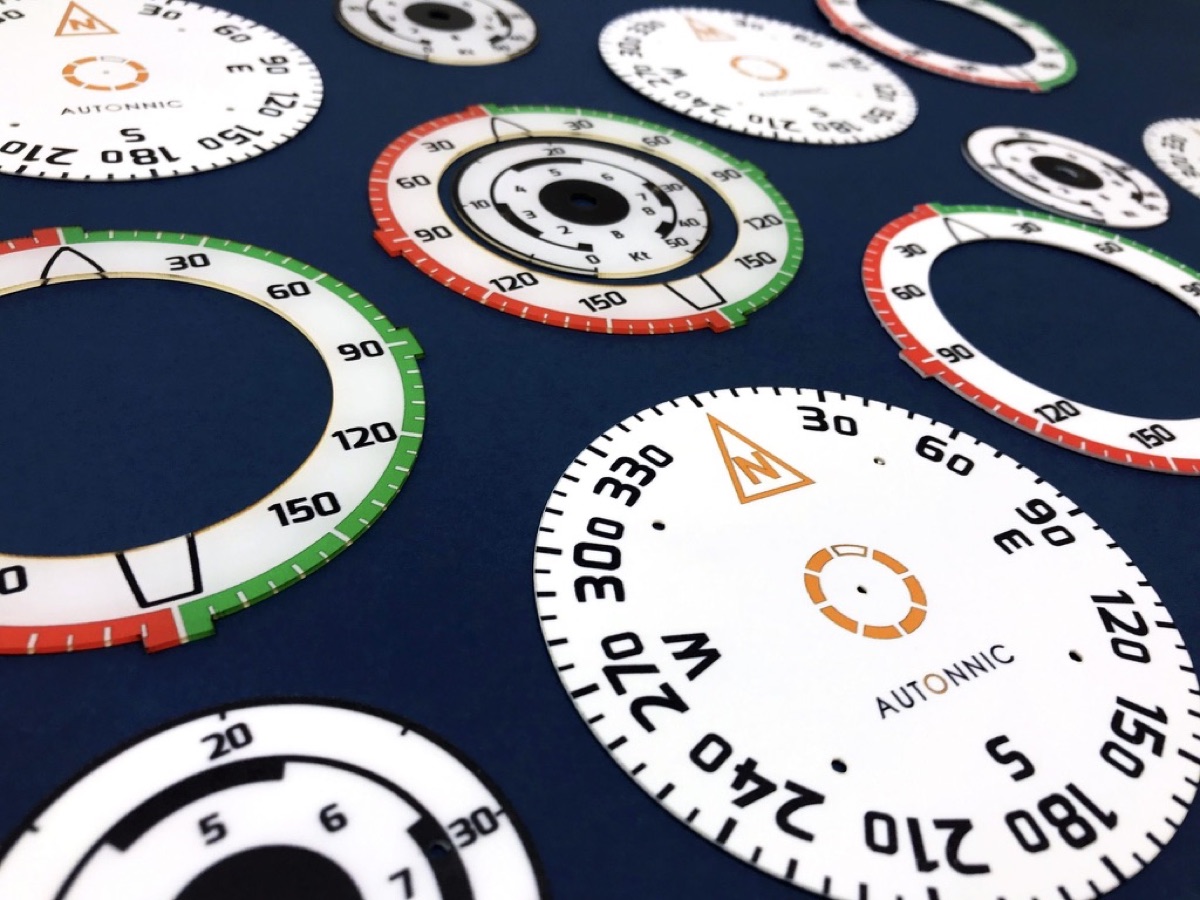 Engineering & industrialGasket sets, seals, instrument faceplates and machine components cut to drawing for equipment builders and maintenance teams.
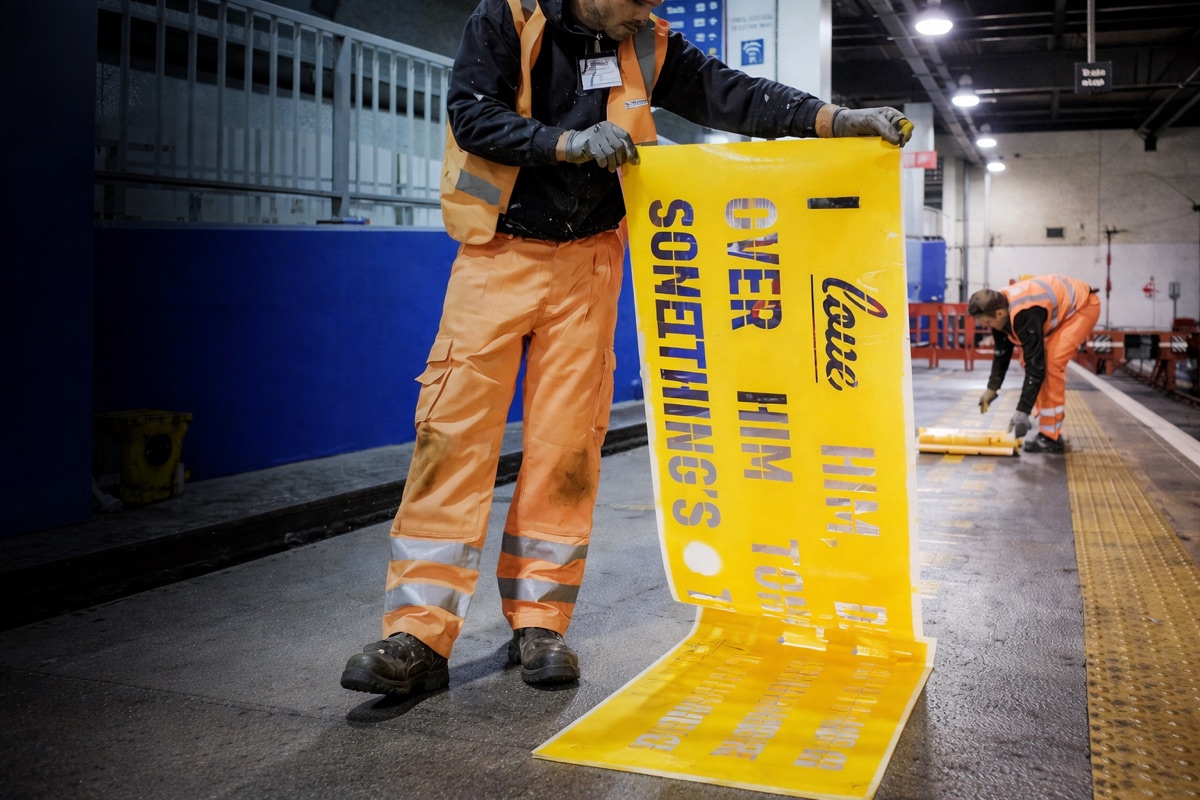 Construction & infrastructureSpray stencils for floor and line marking, membrane and liner components, and site packaging cut to spec.
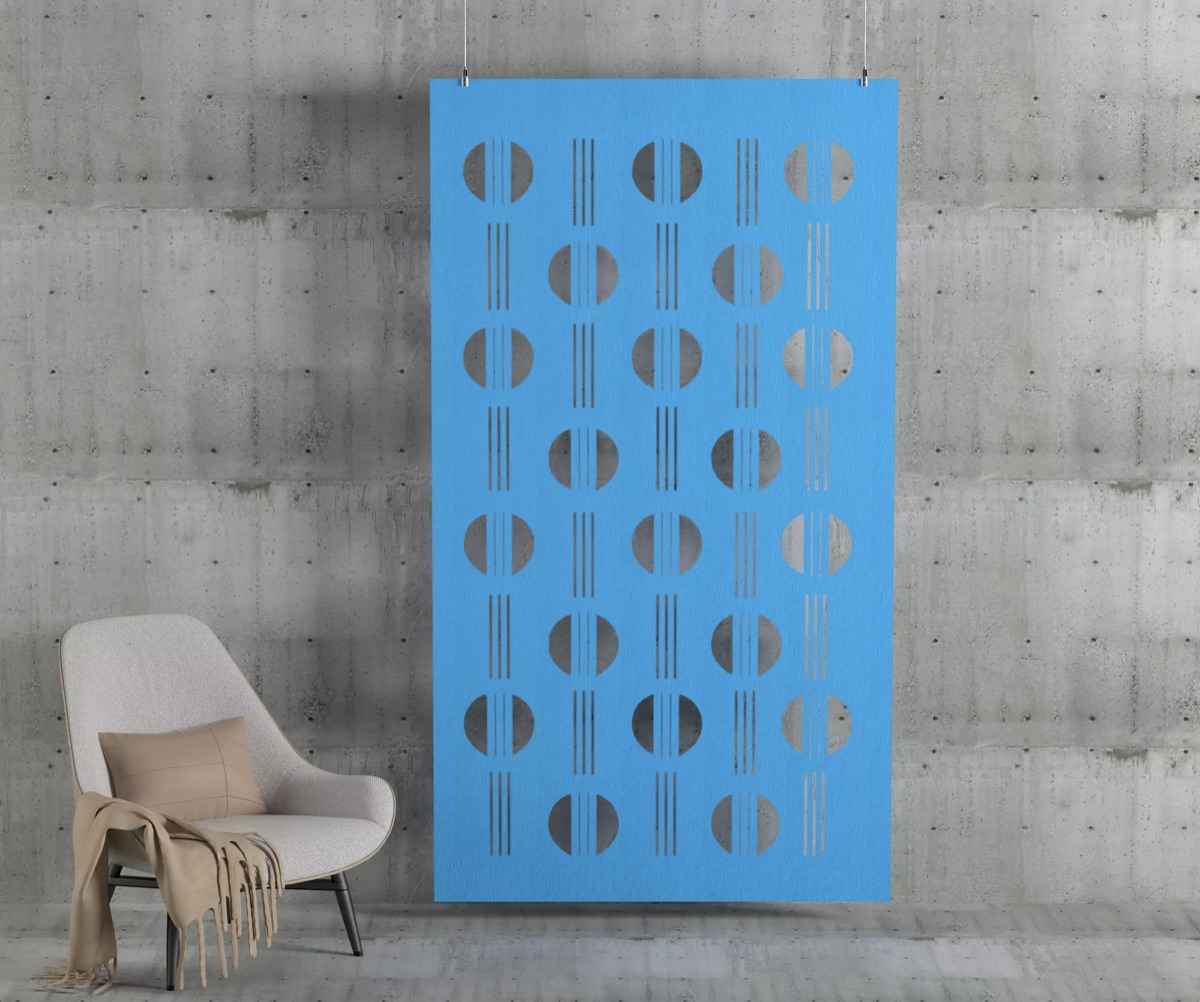 Shopfitting & interiorsAcoustic felt screens, panels and baffles, drawer liners and trim components for fitout and joinery trades.
Getting a quote — what to send
The fastest path to a firm quote is a vector cut file — AI, PDF or DXF — drawn 1:1 in millimetres, with cut, crease and kiss-cut paths on separate layers and text outlined. Tell us the material and thickness, the quantity, and who supplies the material.
No cut file? Not a barrier. We regularly work from dimensioned sketches, PDFs and physical samples — including tracing a worn gasket to produce a cut-ready drawing. Drafting is quoted before any work starts, and once drawn your file is kept on record for repeats.
For batch and repeat work, mention the expected reorder pattern up front. Quantity and nesting drive knife-cutting economics, so a standing arrangement — files on record, agreed batch quantities — usually beats a series of one-off jobs, and every repeat matches the original.
Recent work from the workshop
Common questions
What materials suit knife cutting rather than laser or CNC?
Soft, flexible and layered materials: foam, rubber, cork, felt, vinyl, cartonboard, corrugated and honeycomb board. Rigid boards route to CNC, acrylic and timber to CO₂ laser, metals to fiber laser — we confirm the right process before quoting.
What is the maximum sheet size and thickness?
Sheets up to 3000 × 1500mm with machine clearance up to 50mm. Clearance is not a guaranteed cut thickness for every material — dense or layered stock is confirmed by sample testing first.
Can you cut printed materials to shape?
Yes. Camera registration reads printed marks so contour cuts follow the artwork accurately on every sheet — the standard method for printed displays, decals and packaging.
What files do you need?
Vector cut paths (AI, PDF, DXF) drawn 1:1 in millimetres, with cut, kiss-cut and crease lines on separate layers and text outlined. Only have artwork, a sketch or a sample? We can draw the cut paths for you — drafting is quoted before any work starts.
How does knife cutting compare with die cutting?
Knife cutting needs no dies — no tooling cost, no tooling lead time, and a design change is just an updated file. For low-to-medium volumes it is usually the better choice; for very large volumes of a stable design, die cutting can win, and we will say so.
Can you cut replacement gaskets from a worn original?
Yes. Send the worn part or a dimensioned drawing — we produce a cut-ready file, confirm the material grade against operating conditions, cut a sample for approval, then keep the file on record for reorders.
Do you handle repeat and batch orders?
Yes — repeat supply is a core use of the machine. Cut files stay on record, every batch runs from the identical file, and quantities can be agreed up front so a reorder is a one-line email.
Can you supply the material?
Yes. Frequently used boards, foams, felts and vinyls are held in stock, gasket and specialty grades are sourced to order, and approved customer-supplied sheets can be cut where the material suits the process.
Do you deliver outside Sydney?
Yes — production is in our Botany workshop and finished work is collected locally or delivered Australia-wide.