
Brand refreshes
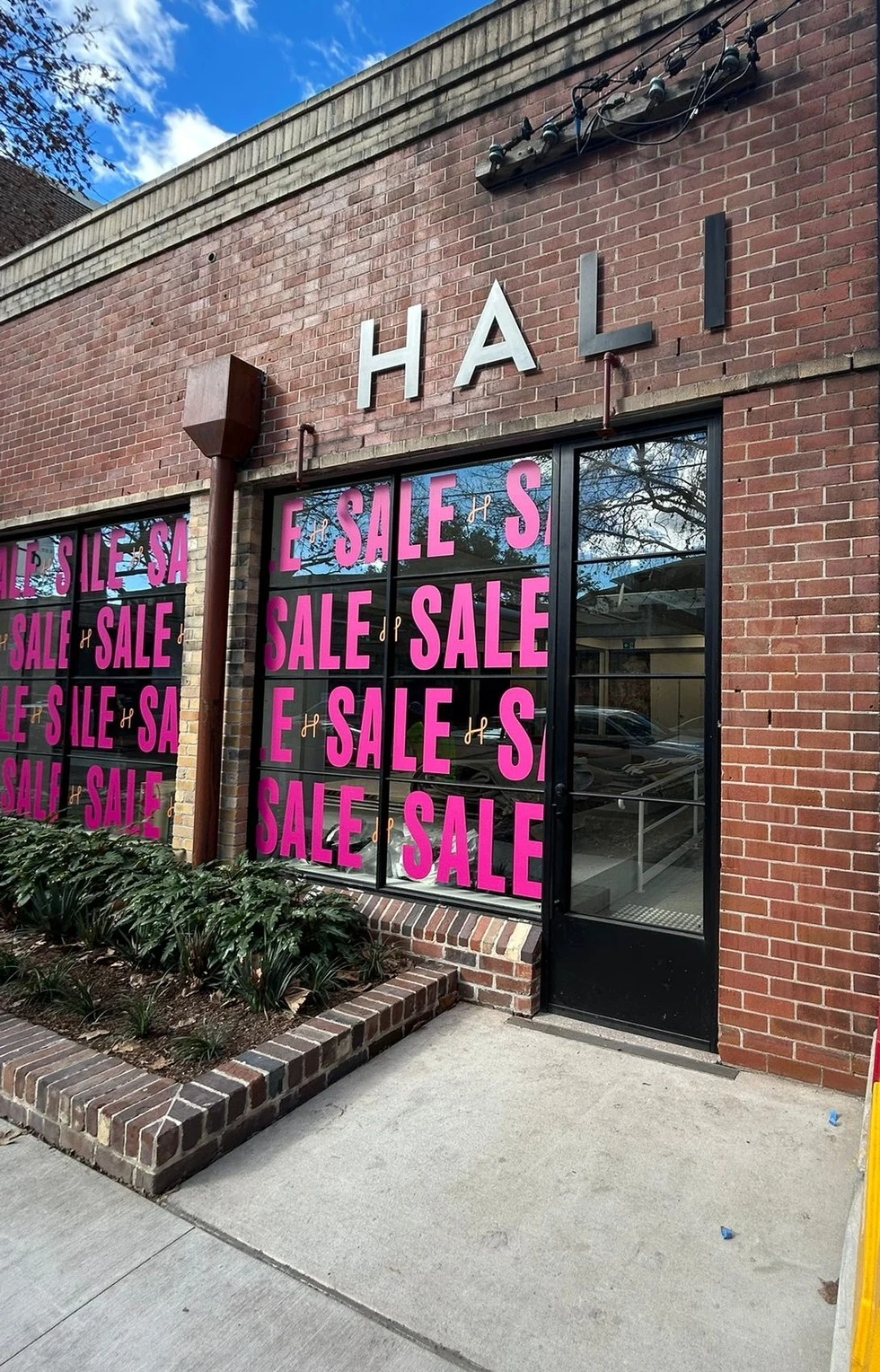
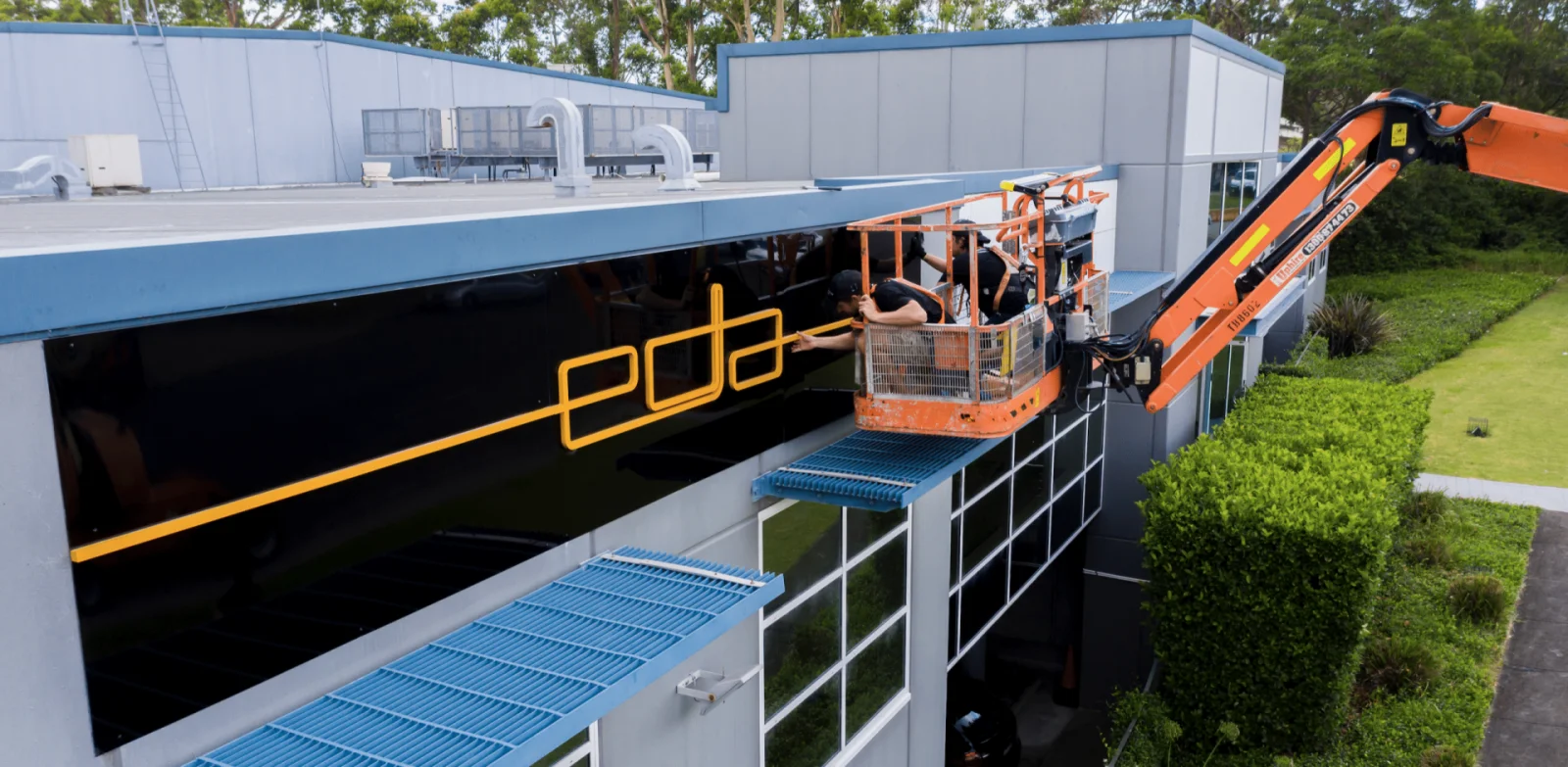
Make the change visible. Coordinate replacement fascias, lettering and window graphics, with site-specific dimensions and finishes that carry the same identity.
Bring your brand to life across Australia. Shopfronts, workplaces, fleets and commercial sites, connected by considered design, consistent finishes and coordinated delivery.
In-house production · Managed installation · Australia-wide
Consistent brand standards
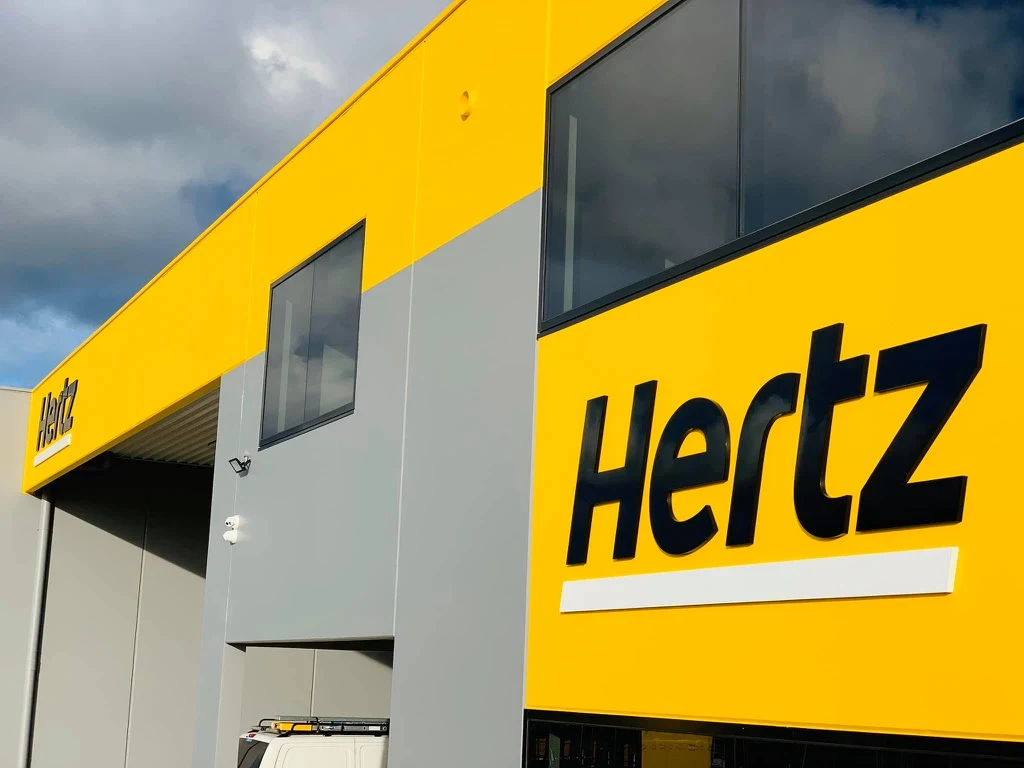
Materials, colour and finish, considered together.
Every site accounted for
Adapt the details to each location.
From production to installation
A coordinated scope for your rollout.
From a new location or fleet refresh to a national rebrand, bring exterior signs, vehicle graphics, interior branding and campaigns into one considered programme.
Make the change visible. Coordinate replacement fascias, lettering and window graphics, with site-specific dimensions and finishes that carry the same identity.

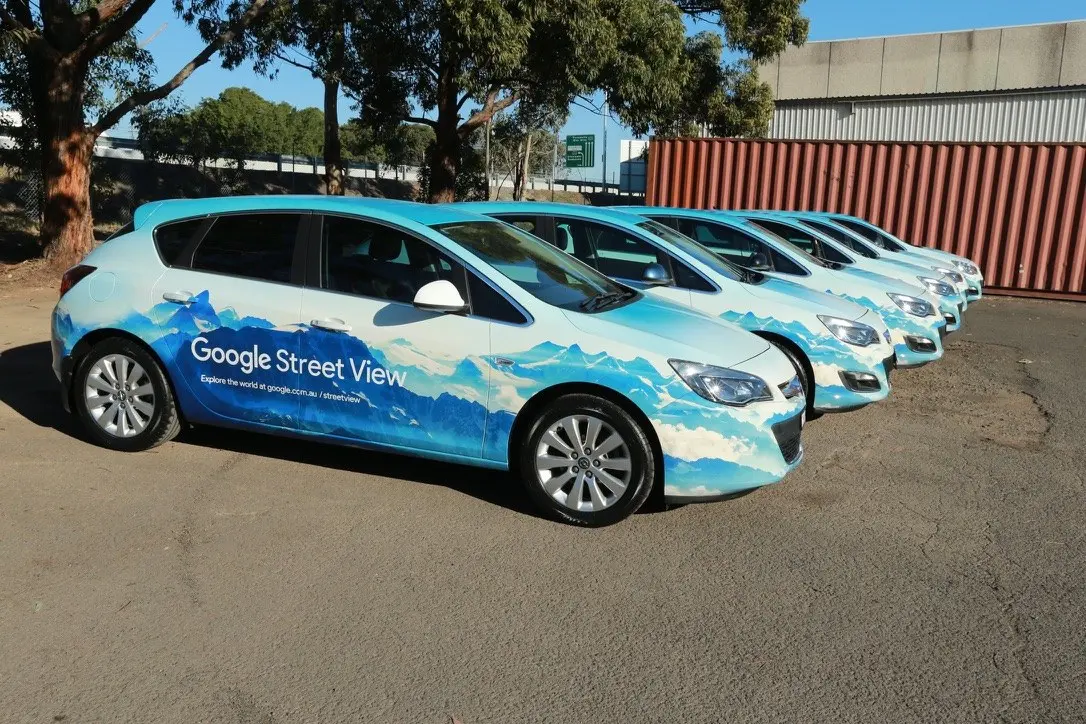
Take your identity on the road. Coordinate vehicle wraps and graphics across cars, vans and trucks, with artwork adapted to each body shape and installation planned around vehicle availability.
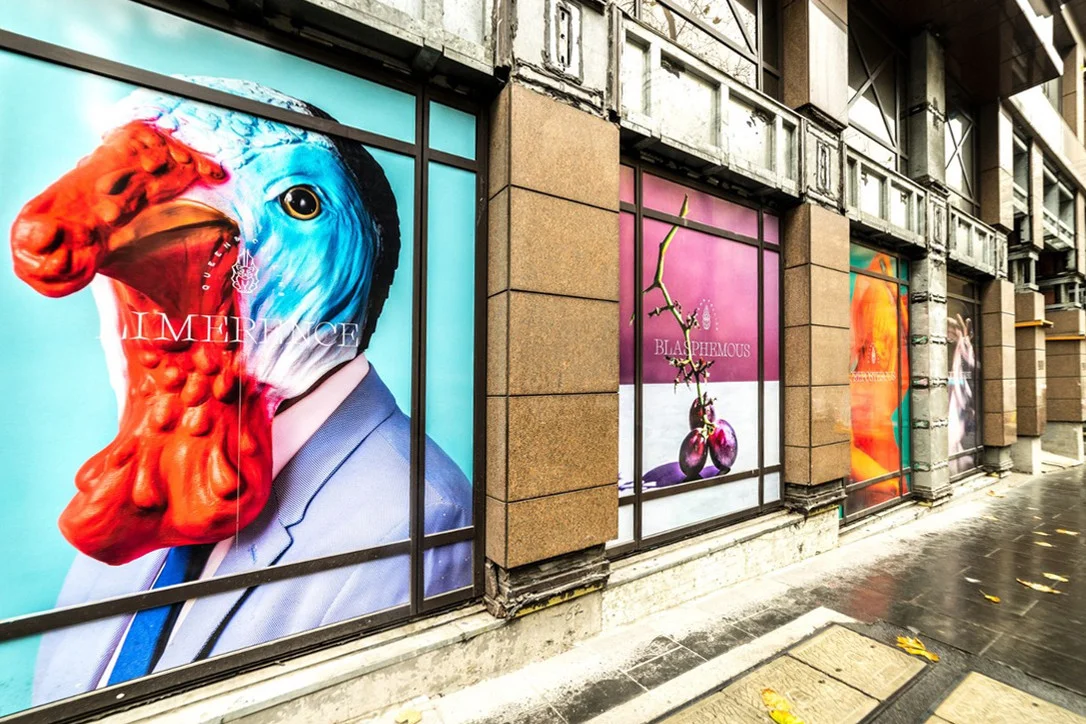
Bring a launch to multiple destinations. Plan artwork versions, promotional graphics and site packs around the spaces, quantities and dates you need.
Consistent fleet wraps. Bold exterior lettering. Refined interiors and campaign graphics. Explore the signage that keeps your identity recognisable across vehicles and locations.
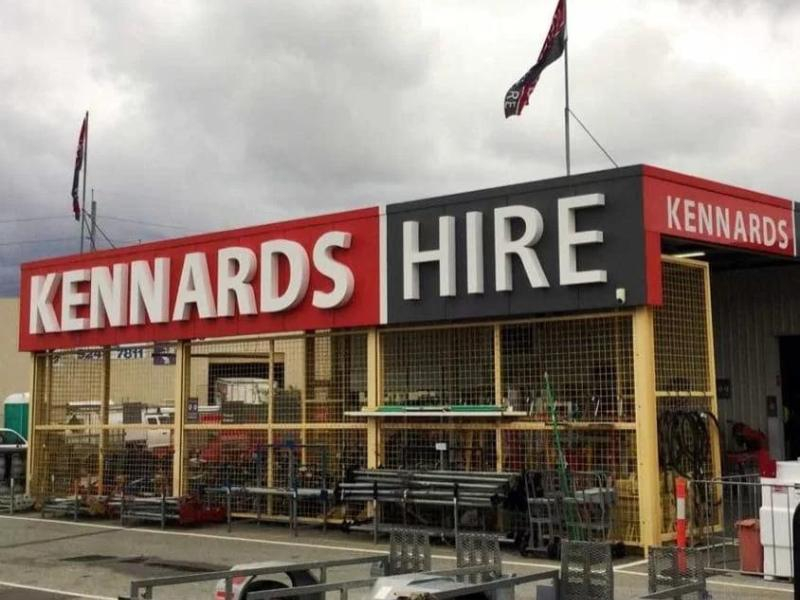
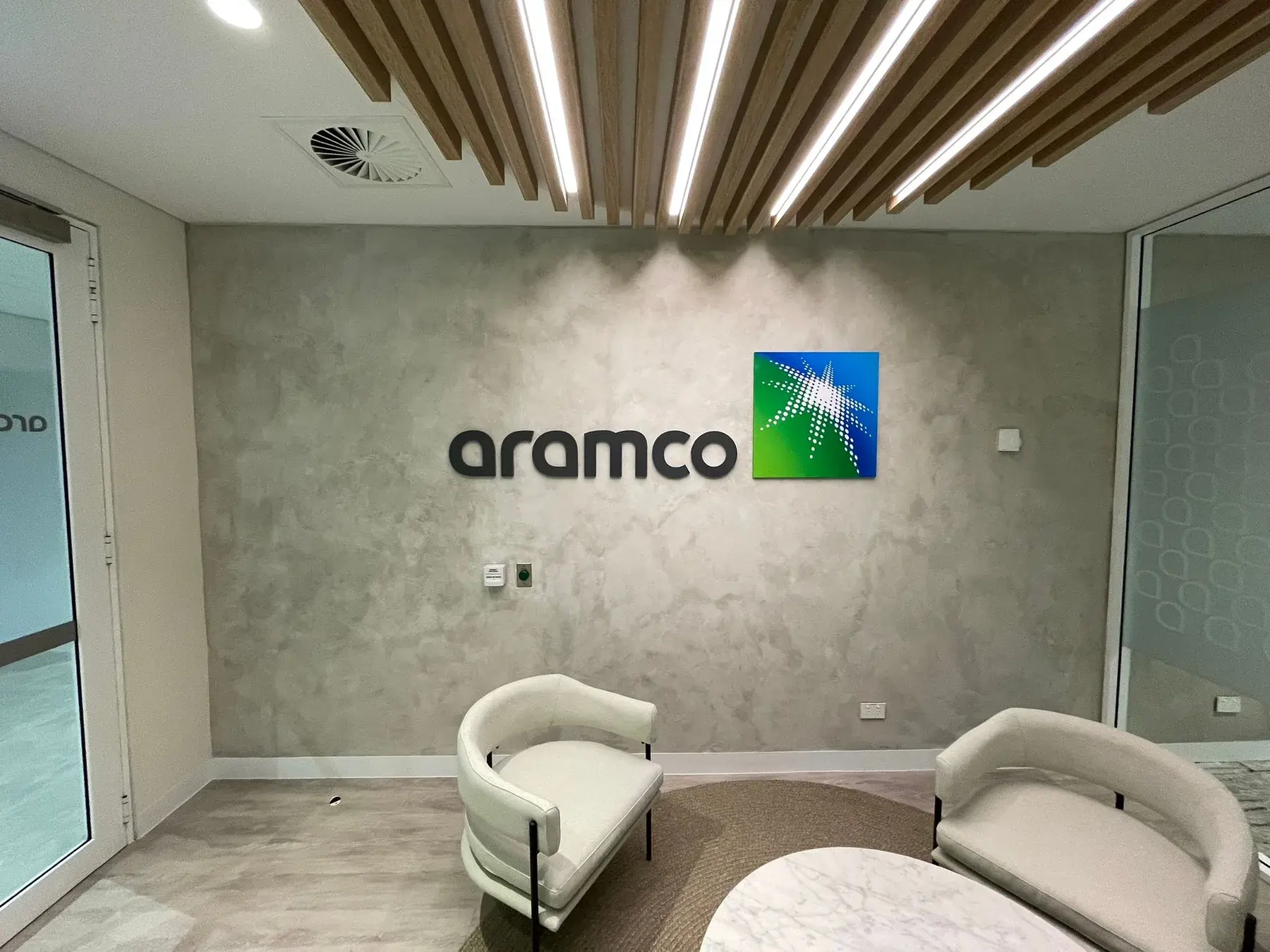

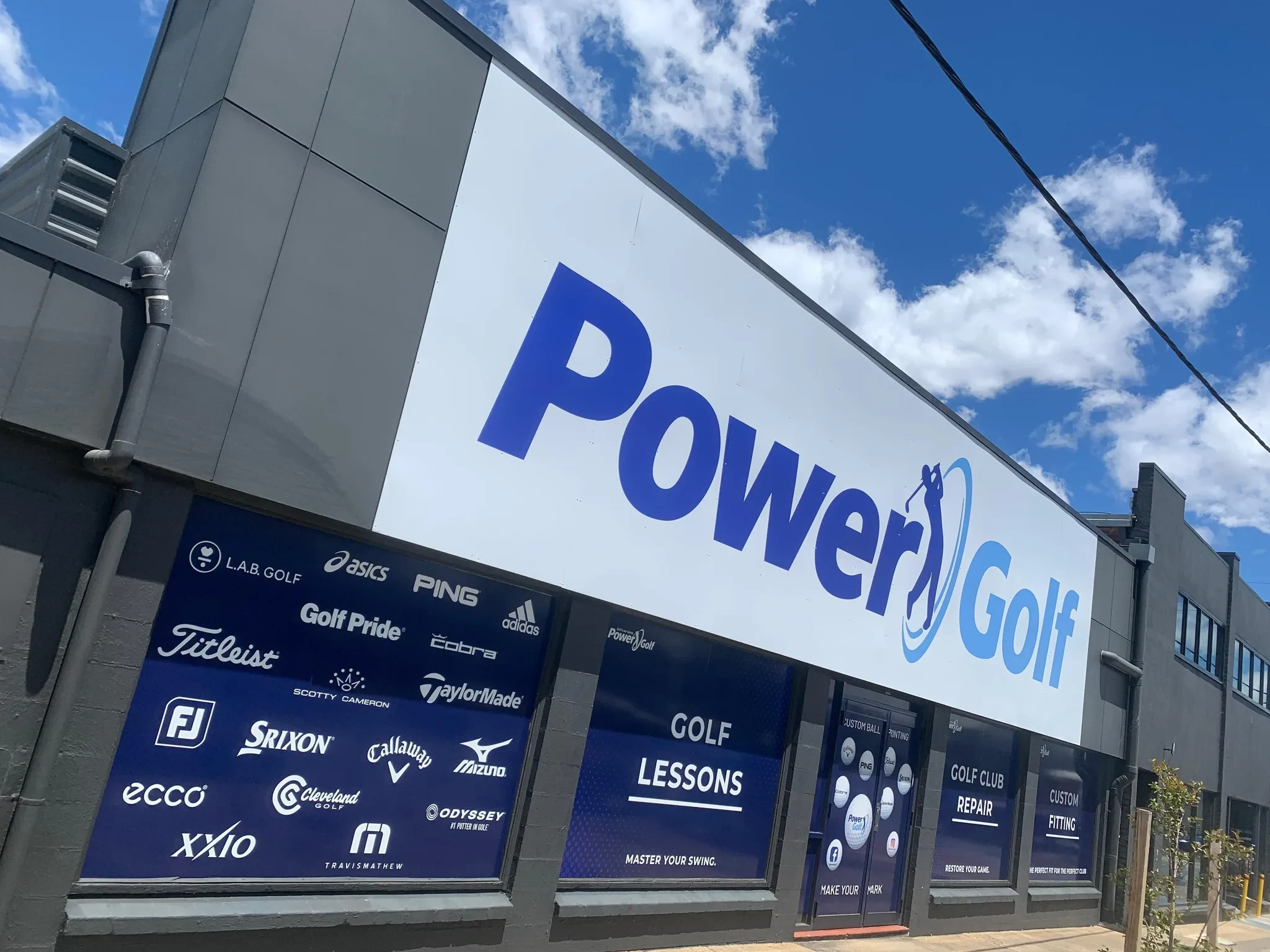

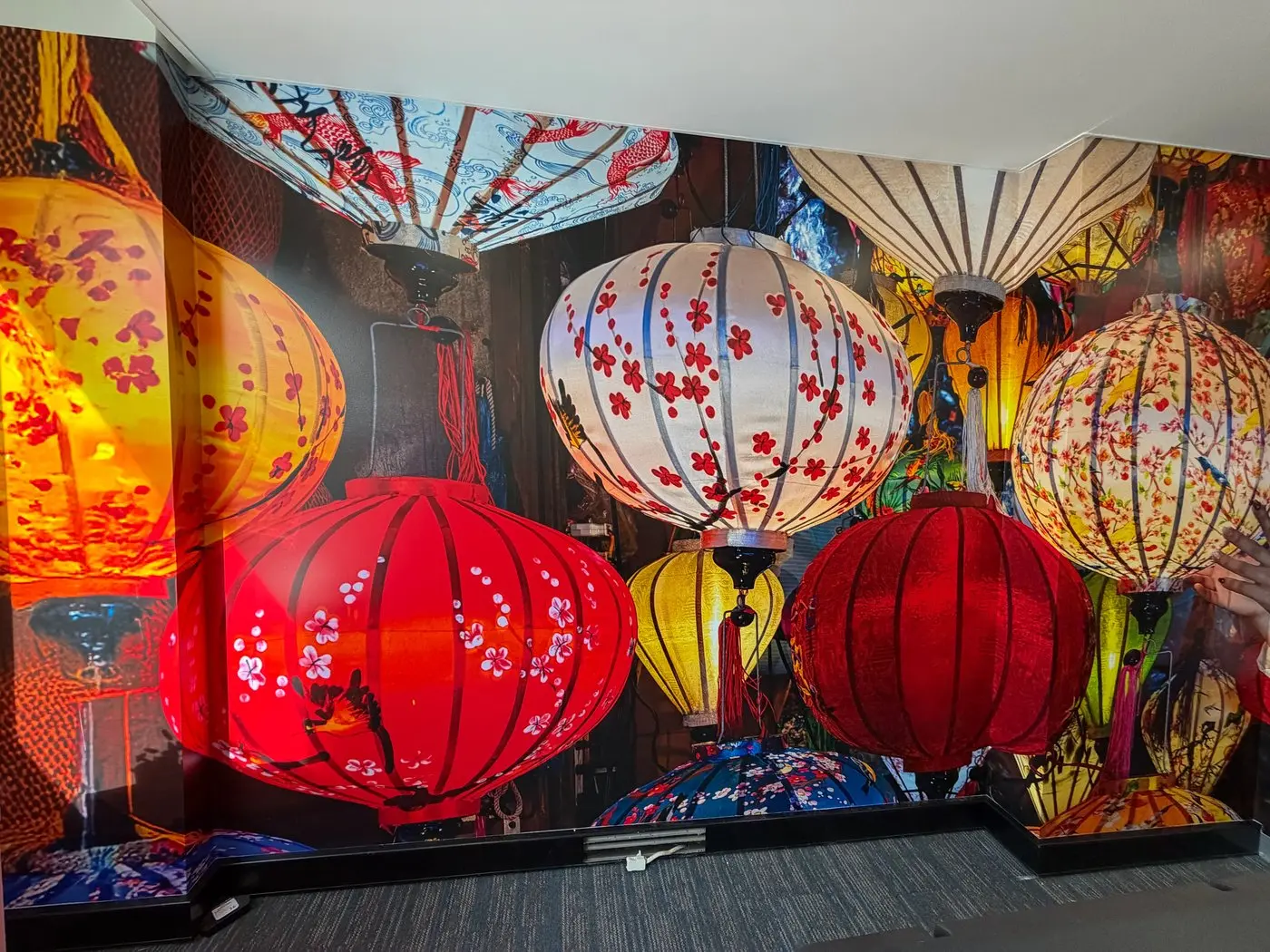
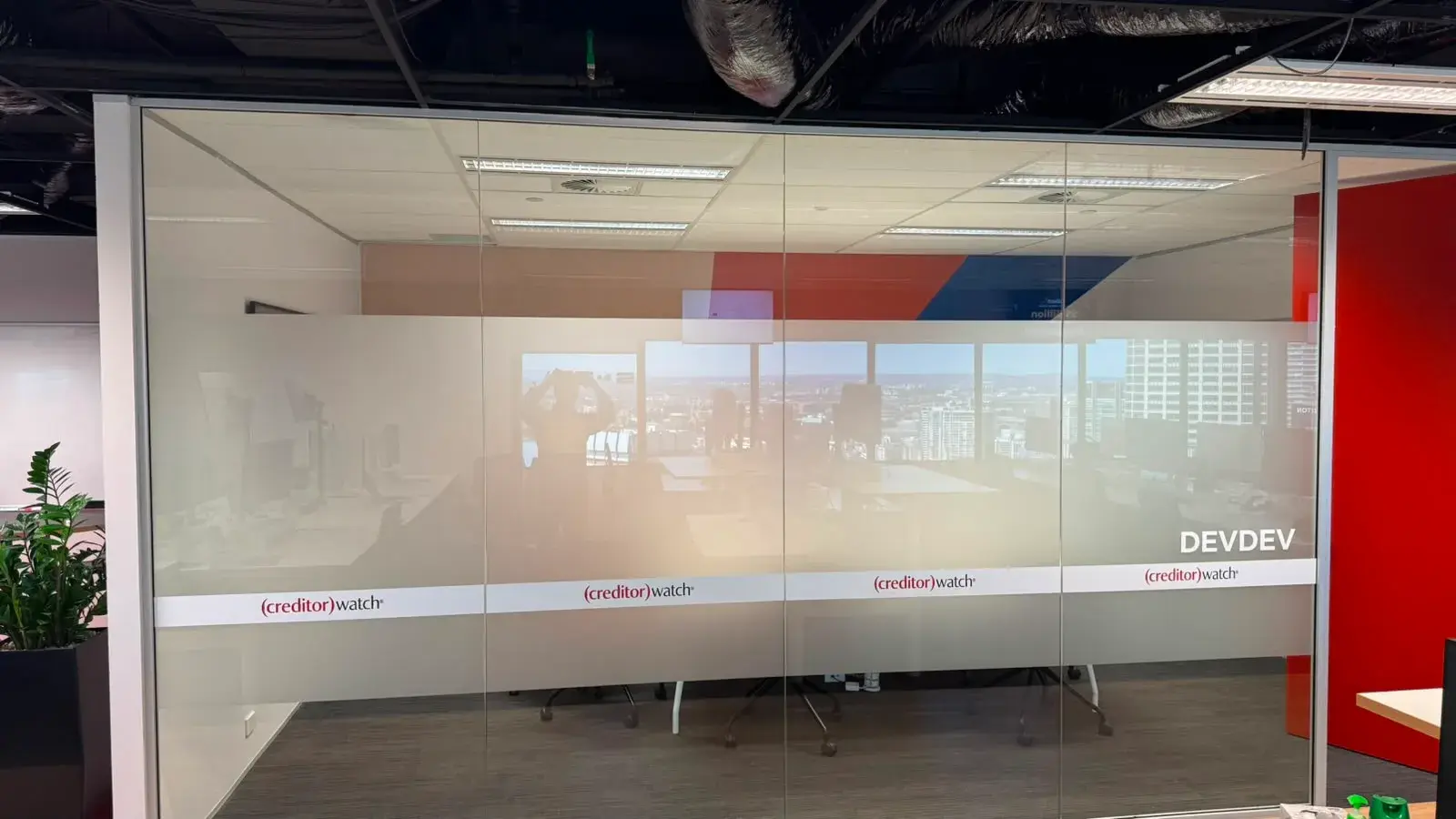
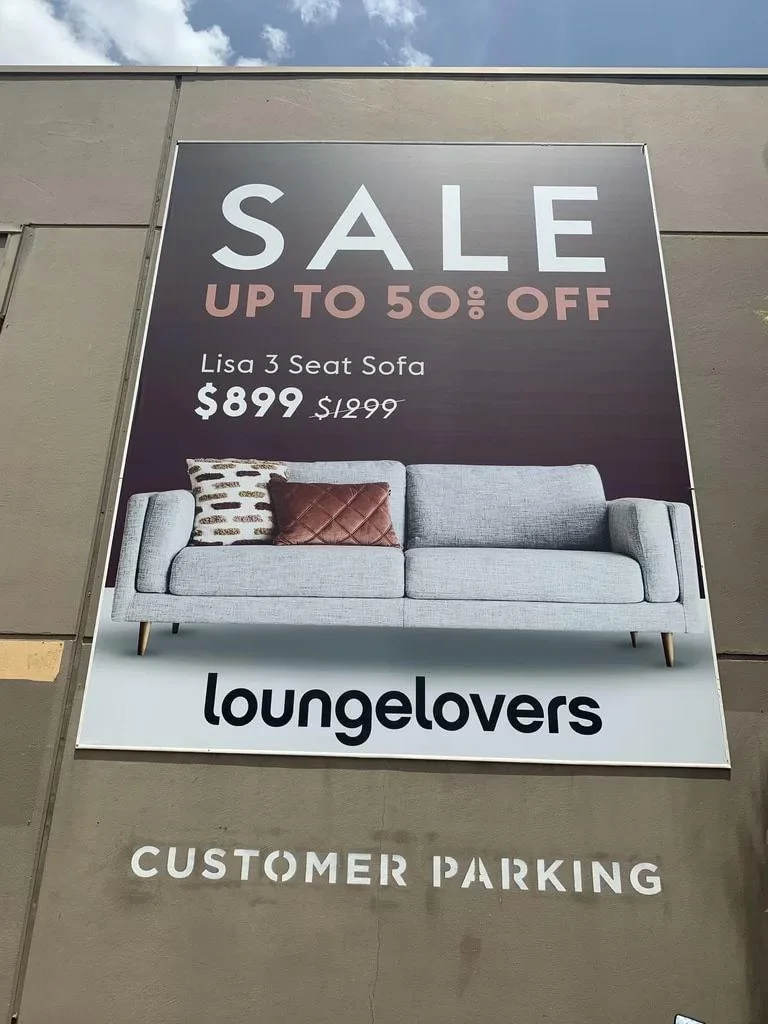
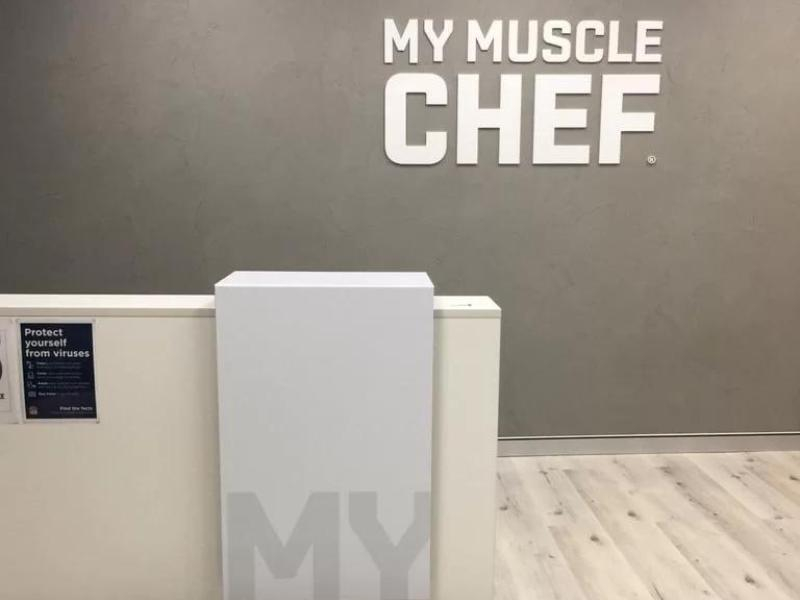
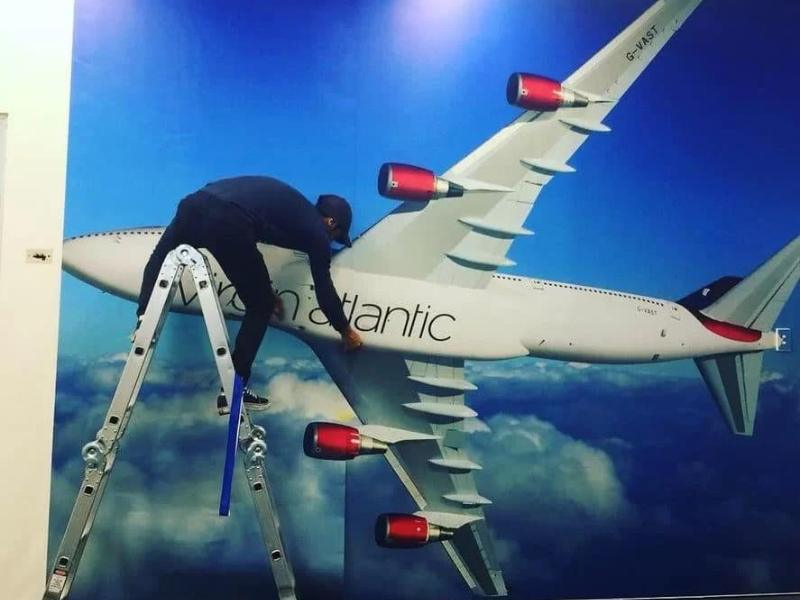
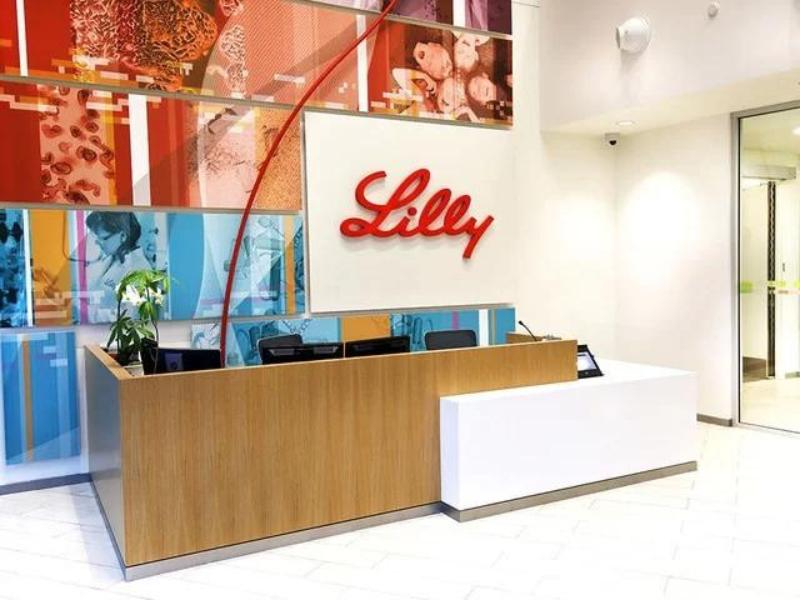
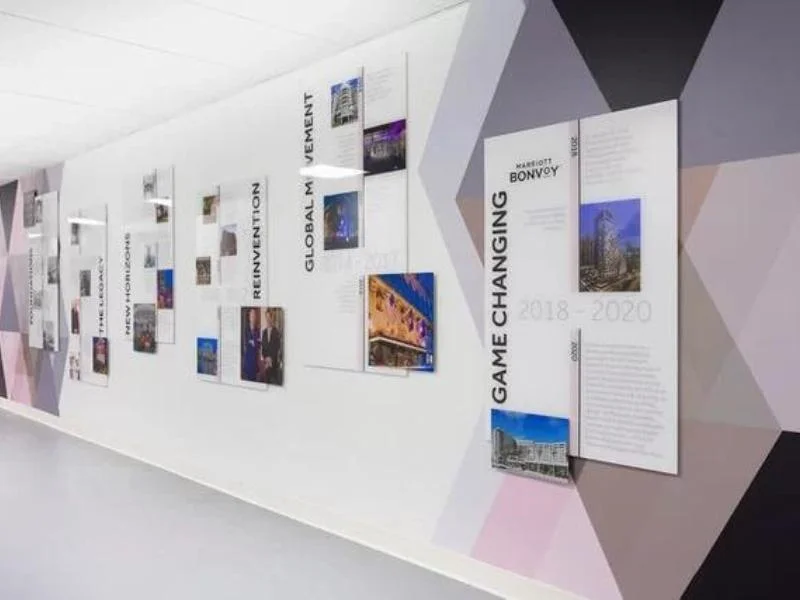
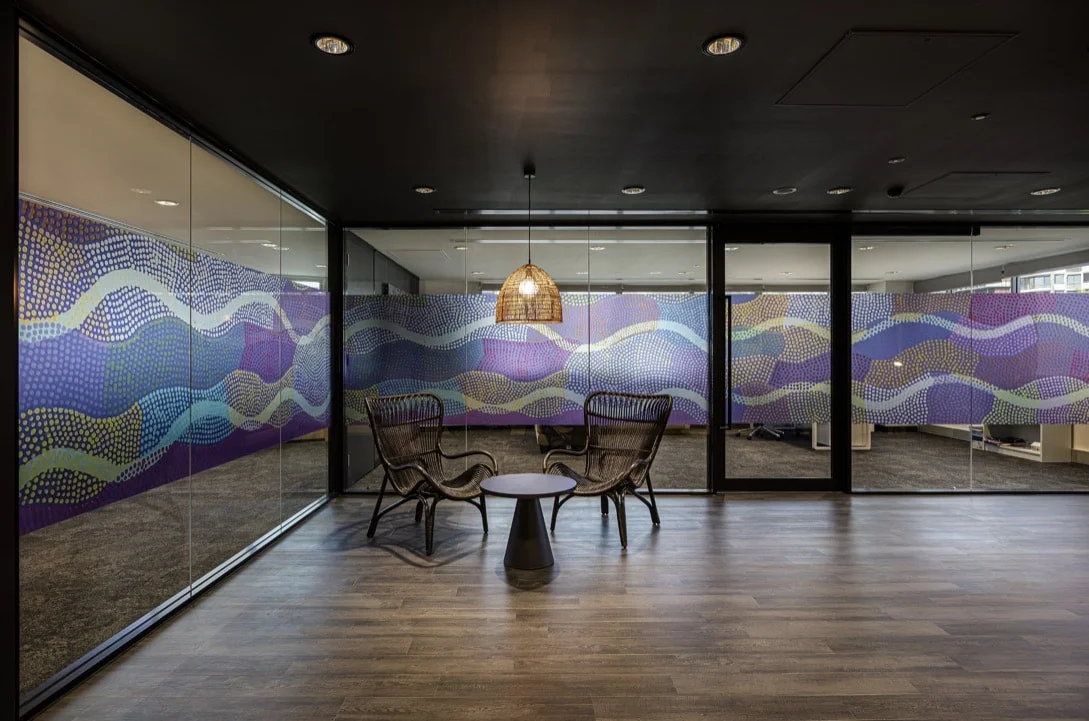
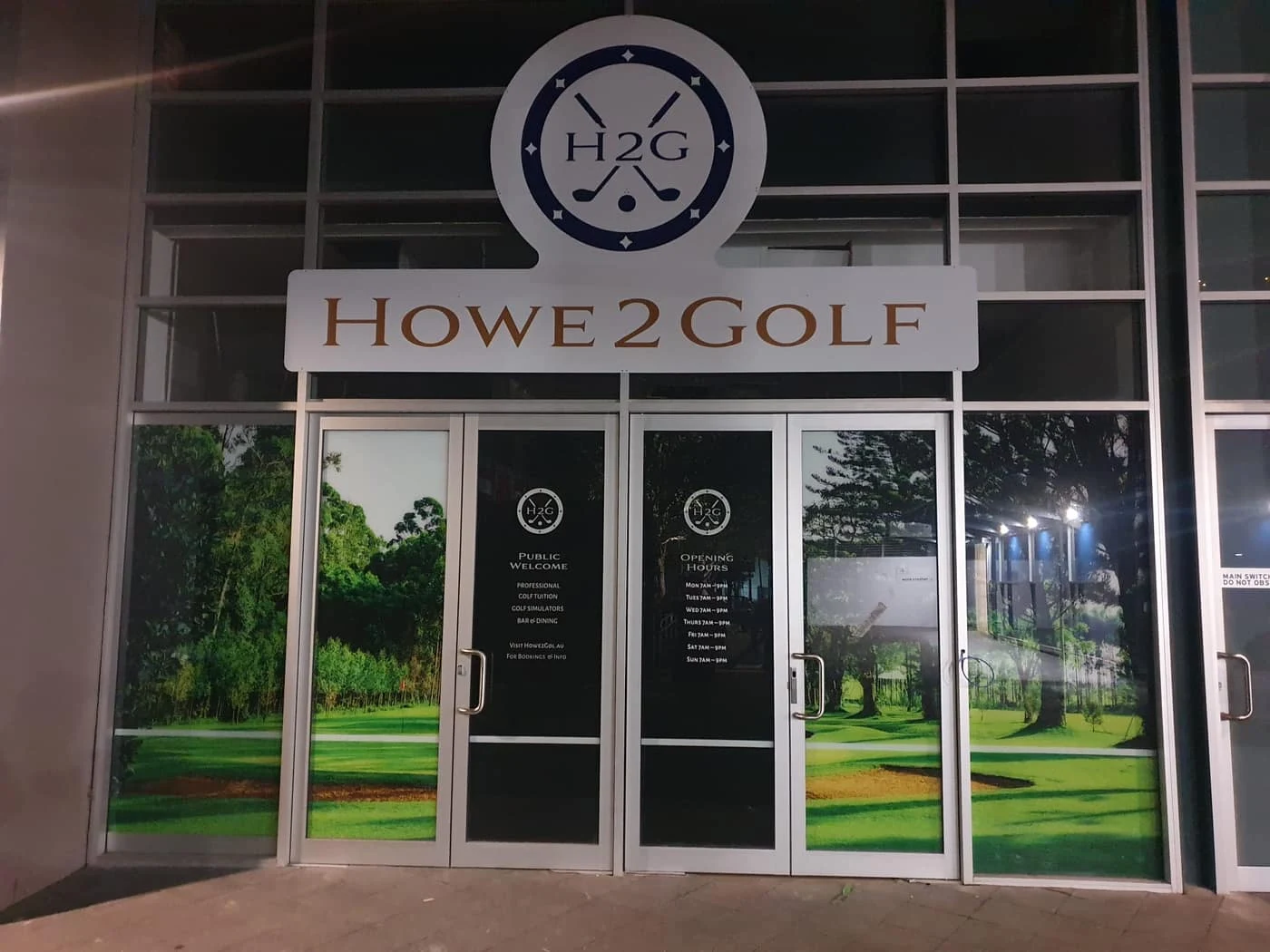
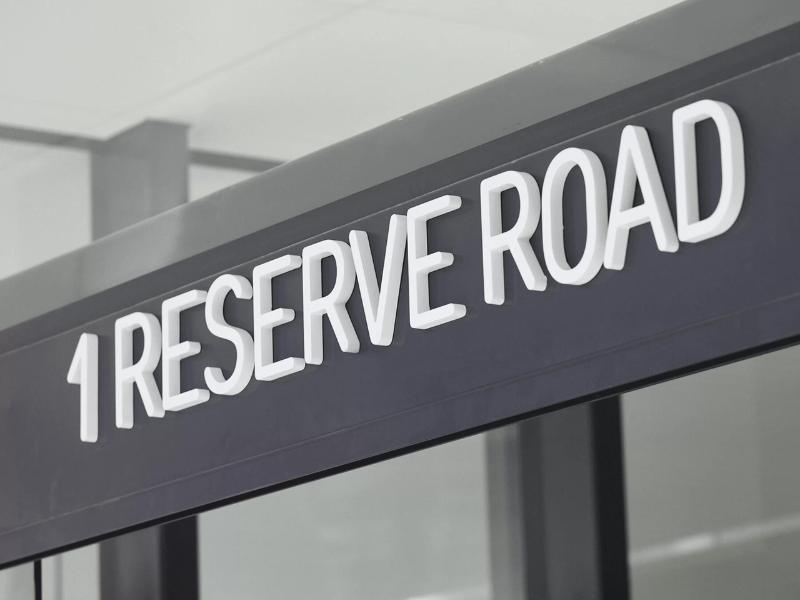
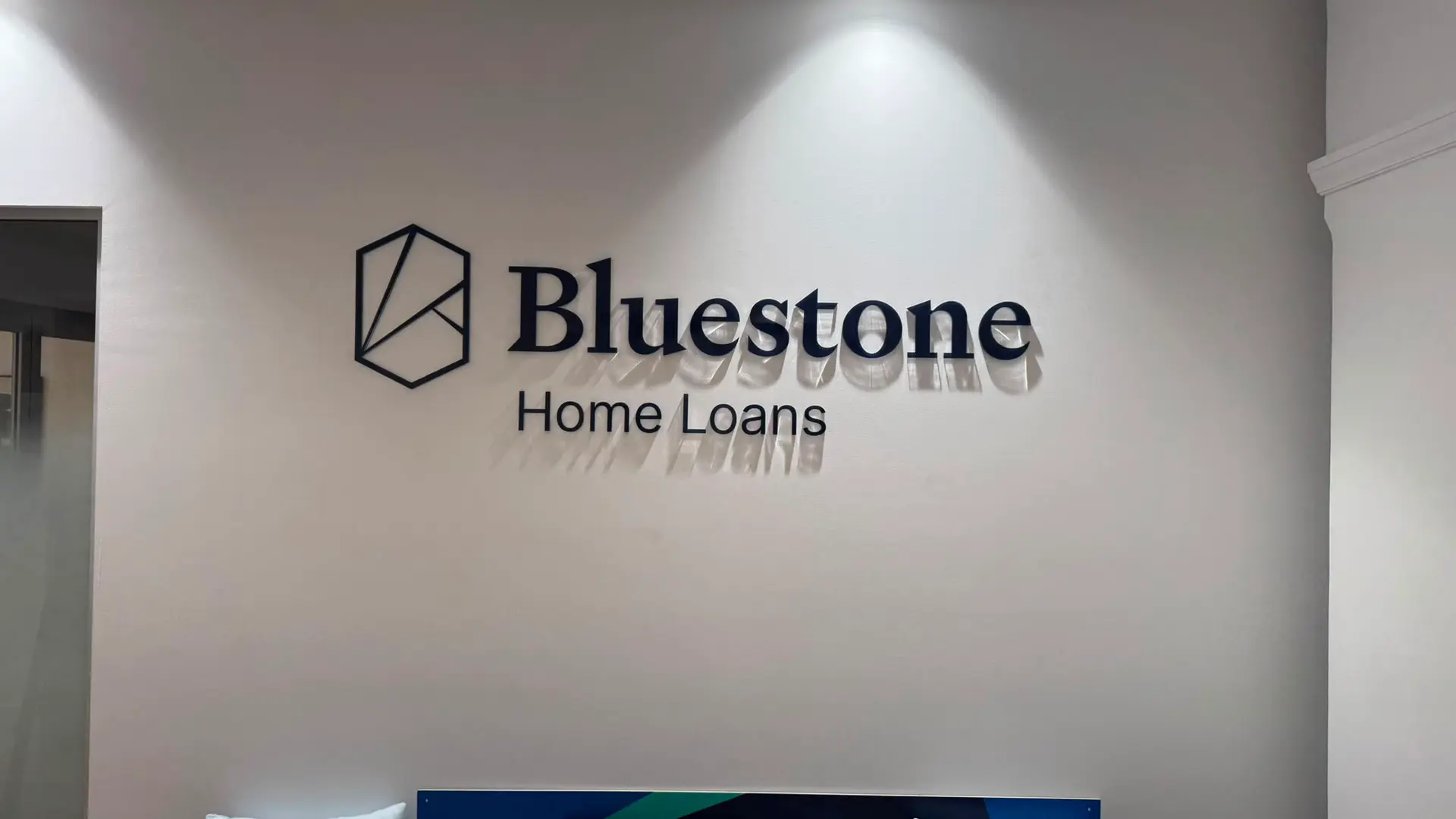
A strong national signage programme balances consistency with the realities of each site. Set the visual standard, then adapt the size, fixing and placement without losing the character of your brand.
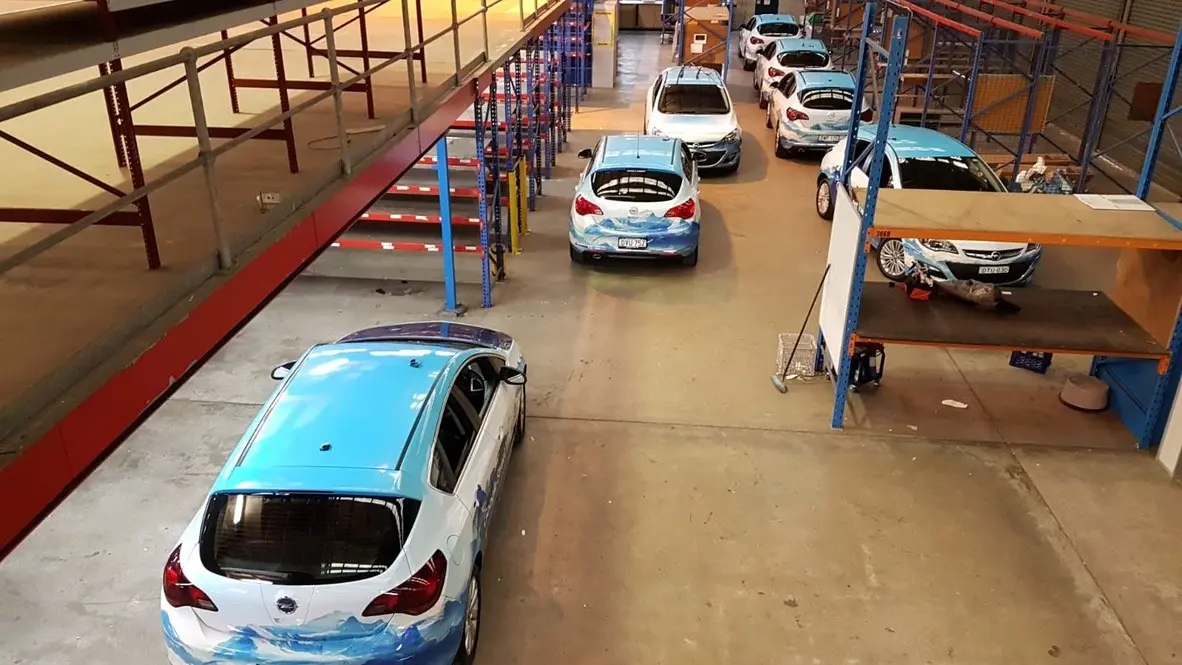
Start with the signs people see first: the fascia, building identification and entrance. Then consider the reception, glazing, internal directions and promotional displays. Group these into a sign family with clear references, sizes and materials. That makes it easier to compare locations and identify what is missing. A national rollout does not need an identical sign at every address; it needs a consistent visual language. Share your brand guide and any existing signage standards so we can review how they translate into practical sign types.
Exterior panels, dimensional letters, illuminated signs and printed films do different jobs. Consider viewing distance, exposure, mounting surfaces and whether the sign is permanent or part of a short campaign. An interior reception finish may not suit an exposed building frontage. For window graphics, think about the balance between visibility, privacy and light. We can discuss acrylic, metal, printed panels and film options against your brief, then record the agreed material, finish and fixing approach for each application before production.
Provide vector logos where available, brand colour references and the fonts or approved artwork needed for adaptation. Photos and screenshots can help explain an idea, but may not be suitable production files. Different materials, lighting and print processes can change the way a colour appears. Flag colour-critical work early so samples or finish references can be discussed. Identify one approved artwork version for each sign reference, with site-specific text and dimensions clearly separated from the elements that should remain consistent.
A customer should be able to recognise the business, find the entrance and understand where to go next. Review signage from the direction people actually approach, including car parks, pedestrian routes and shared building entries. Inside, consider reception visibility, room identification and the relationship between wall graphics and directional information. Photos taken from normal viewing positions help expose problems that a close-up measurement misses. Include practical information such as opening hours and entry instructions in the sign schedule where it belongs.
For fleet signage, provide a vehicle list with makes, models, body styles and quantities. Photos help identify existing graphics, paint condition, accessories and differences between vehicles. Full wraps, partial wraps and cut lettering require different artwork and preparation. Agree which branding elements stay consistent and how they adapt around doors, windows and panel joins. Identify how many vehicles can be available at once, where fitting is required and whether existing graphics need removal. Staged bookings can be assessed against those requirements so the fleet programme accounts for operational availability as well as the finished appearance.
Good coordination starts before manufacture. Bring the site information, approved artwork, delivery stages and installation requirements together so the practical details are clear.
Discuss your locations →List each address, site contact and sign position, with photographs and approximate dimensions. Mark any dimensions that still need checking. Include mounting surfaces, existing fixings, access restrictions and trading hours. Old signs may need removal, and the surface underneath may need work before new signage can be fitted. Tell us about landlord requirements or other approval dependencies at the outset. The survey, removal, making-good and installation responsibilities should be identified in the agreed scope rather than assumed to be the same at every location.
Before manufacture, confirm the sign schedule, artwork proofs and any required samples. A pilot location or first-off sign can be useful when a new specification will be repeated, particularly where fixing details or finishes need review. Separate the decisions that apply across the programme from exceptions at individual sites. Changes after approval can affect materials, production and delivery, so keep the current version easy to identify. Tell us which dates are fixed and which locations can move, allowing the proposed stages to reflect your priorities.
For multiple destinations, organise quantities by site and label the contents against the sign schedule. A store pack might combine a fascia panel, window graphics and internal identification, while a campaign pack may contain several artwork versions. Confirm receiving contacts, delivery addresses and any restrictions on package size or arrival times. Bulky or fragile signs need different packing considerations from rolled graphics. Freight, storage and staged dispatch arrangements depend on the actual programme; include these requirements in the brief so they can be assessed and quoted clearly.
Installation planning depends on the sign, surface and access at each address. Elevated access, electrical requirements, removal work or restricted hours may change the scope and timing. Agree who confirms site readiness and who receives the work. Discuss the handover information you need, including installation photographs where relevant. Retain the approved sign references, dimensions and artwork versions for later openings or replacements. A repeat order should still confirm the finish, quantity, destination and current site conditions, especially when the original signage has been exposed to weather or changes to the building.
Yes. Send your brand guide, existing sign specifications and any approved artwork. We can review the adaptations needed for different sizes, locations and materials. If the guide covers print or digital use only, there may be signage-specific decisions to make, such as letter depth, illumination, panel construction and fixing details. Identify who approves the artwork and any samples so the approval process is clear.
Tell us which sites need supply only and which need managed installation. A programme can have different requirements at different destinations, but those responsibilities need to be explicit. Include any local installer contacts, access arrangements and receiving details with the site list. We will assess the work and identify the agreed supply, freight, removal and installation scope in the quote.
Sign types, dimensions, materials and quantities are the starting point. Artwork variations, samples, site checks, packing, freight and installation access can also affect the price. Repeating a common specification may simplify preparation, while numerous site-specific variations require additional work. A useful quote separates the actual requirements rather than relying on a single average cost per location. Send the information you have and flag what remains uncertain.
Work back from opening dates or campaign launches, allowing for site information, approvals, production, freight and installation. The appropriate lead time depends on the sign specification, number of sites and readiness of each location. Share your target dates before finalising the scope, including any staged openings. We can then assess the sequence and identify dependencies. A target launch date alone does not confirm an installation booking.
A site list, photographs, sign types, approximate sizes and quantities give us a useful starting point. Add your brand guide or artwork, target dates and whether each location needs installation. For a rebrand, include photos of the signs being replaced and note any removal or surface repair requirements. You do not need to resolve every specification before contacting us; clearly marking the unknowns helps us identify the next questions.
Trusted across Australia










Share the outline of your programme. We will help identify the sign specifications and site details needed for a useful quote.
Prefer to speak with us?
1300 448 608